Steel is a fundamental material in modern industry, yet its price has been rising significantly. Understanding why steel is expensive is crucial for businesses, investors, and consumers who rely on this essential commodity. This article delves into the primary reasons behind the high cost of steel, examines current market trends, and provides insights into future price movements.
Key Factors Driving High Steel Prices
- Rising Raw Material Costs
- Iron Ore and Coking Coal: Steel production heavily depends on iron ore and coking coal. Significant increases in the prices of these raw materials directly impact steel prices. Supply constraints and higher demand for these resources contribute to their escalating costs.
- Mining and Transportation Issues: Disruptions in mining operations and transportation challenges have further inflated raw material costs, which are passed on to consumers in the form of higher steel prices.
- High Production Costs
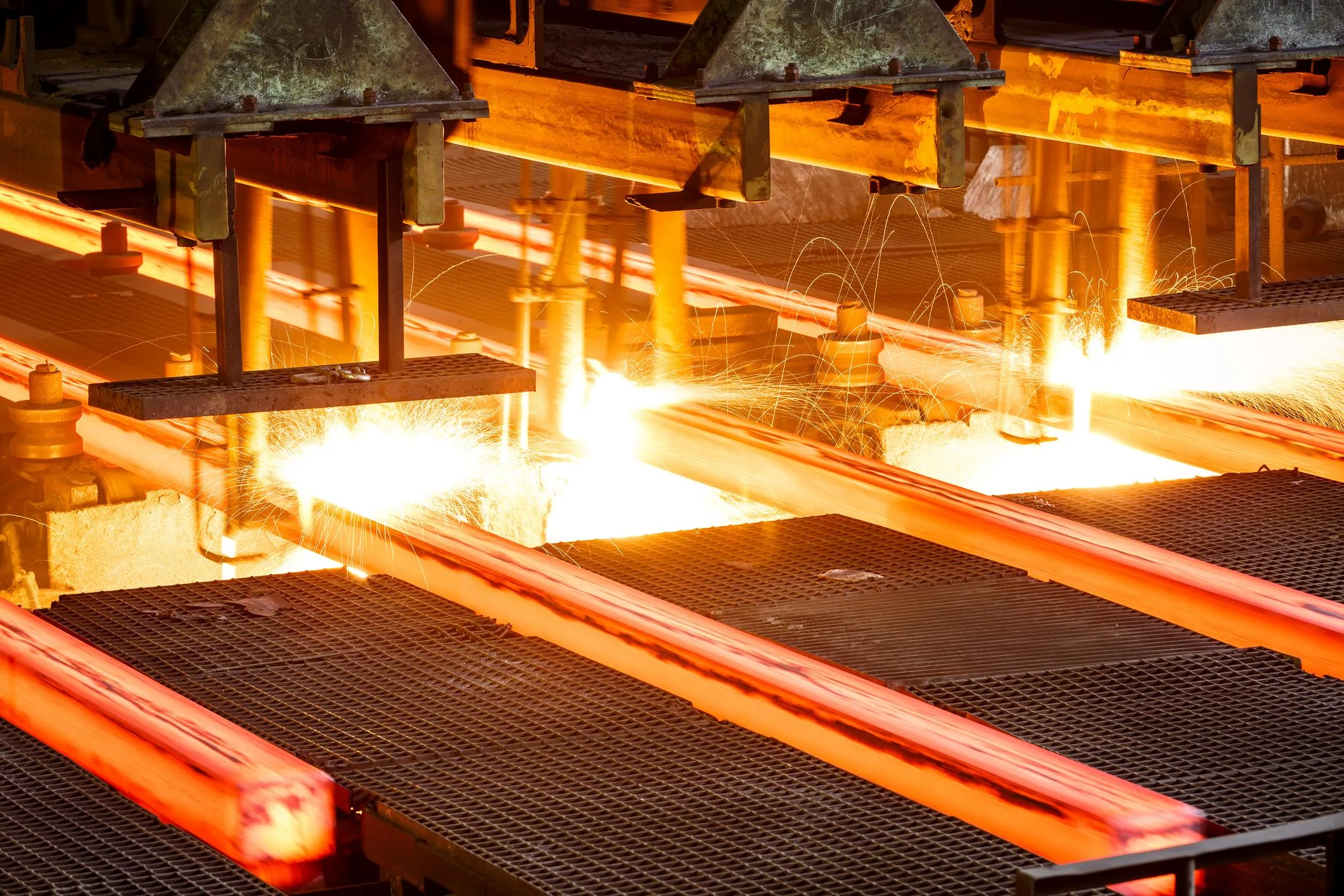
- Energy Expenses: Steel production is energy-intensive, and rising energy costs can substantially increase production expenses. Higher costs for electricity and fuel are often transferred to steel prices.
- Labor Costs: Increasing wages and labor costs in the steel industry also contribute to higher steel prices. Skilled labor and safety regulations add to overall production costs.
- Supply Chain Disruptions
- Logistics Challenges: Issues such as delays, increased shipping costs, and logistical inefficiencies affect the steel supply chain. These disruptions can lead to shortages and price hikes.
- Geopolitical Tensions: Trade conflicts, sanctions, and geopolitical uncertainties can disrupt the global steel supply chain, influencing prices and availability.
- Increased Demand
- Construction and Infrastructure: A surge in construction and infrastructure projects, driven by urbanization and economic growth, increases the demand for steel. This heightened demand can push prices up.
- Automotive and Manufacturing: Expansions in the automotive and manufacturing sectors contribute to greater steel consumption, further driving up prices.
- Economic and Inflationary Pressures
- Global Economic Trends: Economic recovery and growth spur higher industrial activity, which drives up demand for steel and consequently its price.
- Inflation: Rising inflation rates can increase production costs, including raw materials and labor. These higher costs are often reflected in the final price of steel.
- Government Policies and Trade Regulations
- Tariffs and Duties: Changes in trade tariffs and import duties can impact steel prices. Higher tariffs on imported steel may lead to increased prices for domestic steel as local producers adjust to market conditions.
- Environmental Regulations: Stricter environmental policies can lead to increased production costs for steel manufacturers, contributing to higher prices.
Current Market Trends
- Short-Term Price Fluctuations
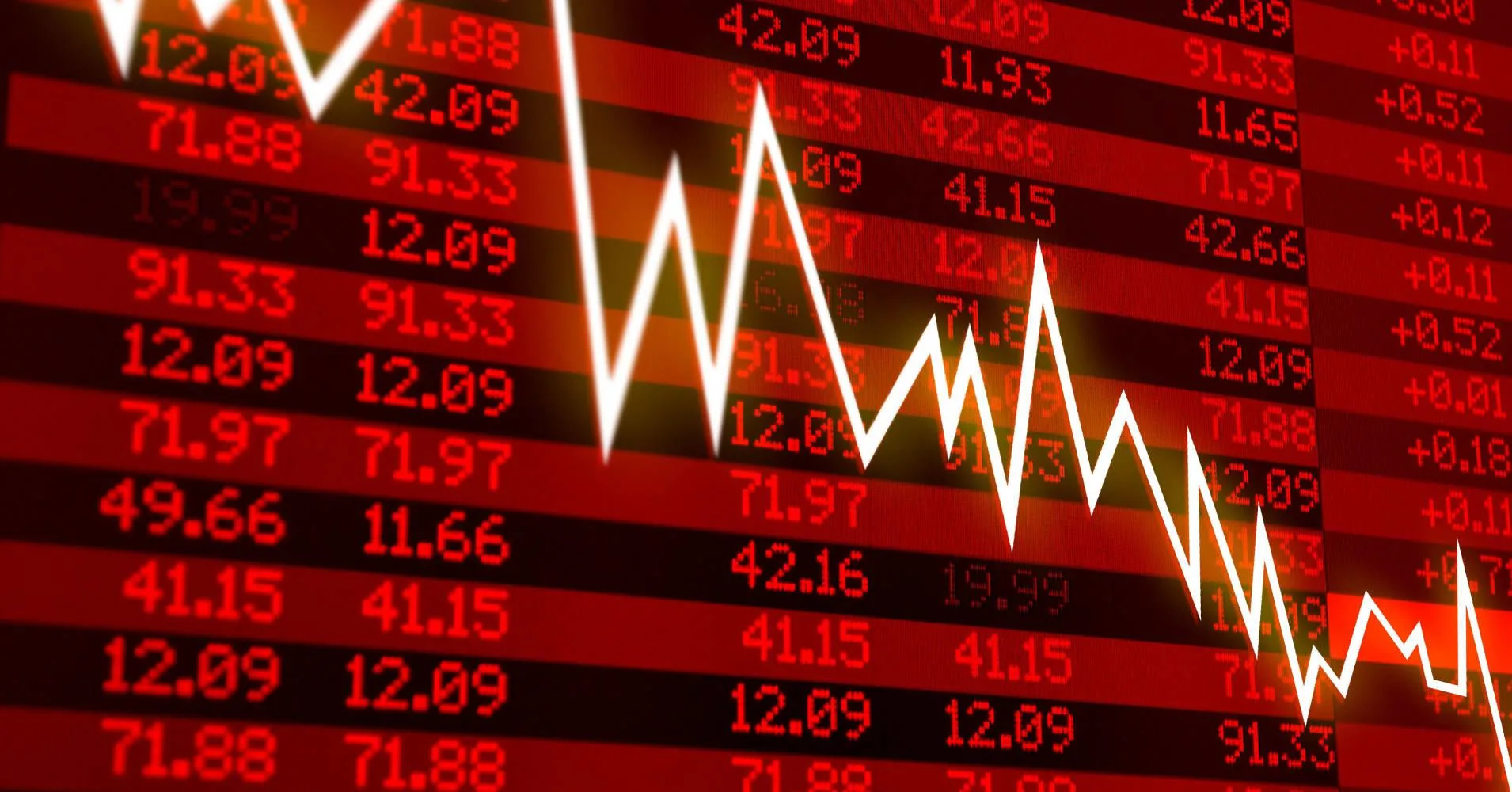
- Market Volatility: Steel prices can fluctuate due to changes in raw material costs, demand patterns, and supply chain disruptions. Keeping abreast of these trends is essential for strategic planning and procurement.
- Investment Opportunities
- Sector Investment: The high cost of steel presents investment opportunities in the steel industry. Businesses and investors may find value in companies positioned to benefit from current price trends.
- Impact on Construction and Manufacturing
- Cost Implications: Rising steel prices can increase the cost of construction and manufacturing projects. Stakeholders should consider these factors when budgeting and planning new projects.
Future Outlook
- Potential Stabilization
- Market Balance: Future steel prices will depend on the balance between supply and demand. As supply chains stabilize and demand levels off, prices may stabilize or even decrease.
- Economic Indicators
- Monitoring Factors: Tracking economic indicators such as inflation rates, global growth, and industrial activity will help predict future steel price movements.
- Policy and Trade Developments
- Regulatory Changes: Future adjustments in government policies, trade regulations, and environmental standards will continue to influence steel prices. Staying informed about these changes will be crucial for anticipating price shifts.
Conclusion
The high cost of steel is driven by a combination of factors including rising raw material costs, high production expenses, supply chain disruptions, increased demand, and economic pressures. Understanding these drivers helps businesses, investors, and consumers navigate the steel market effectively.
As market conditions evolve, staying informed about key trends, policy changes, and economic indicators will be essential for making informed decisions. This article provides valuable insights into why steel is expensive and what to expect moving forward.
For the latest updates and detailed information on steel prices, always refer to trusted industry sources and market reports. This guide aims to help you stay ahead in a dynamic and competitive steel market.