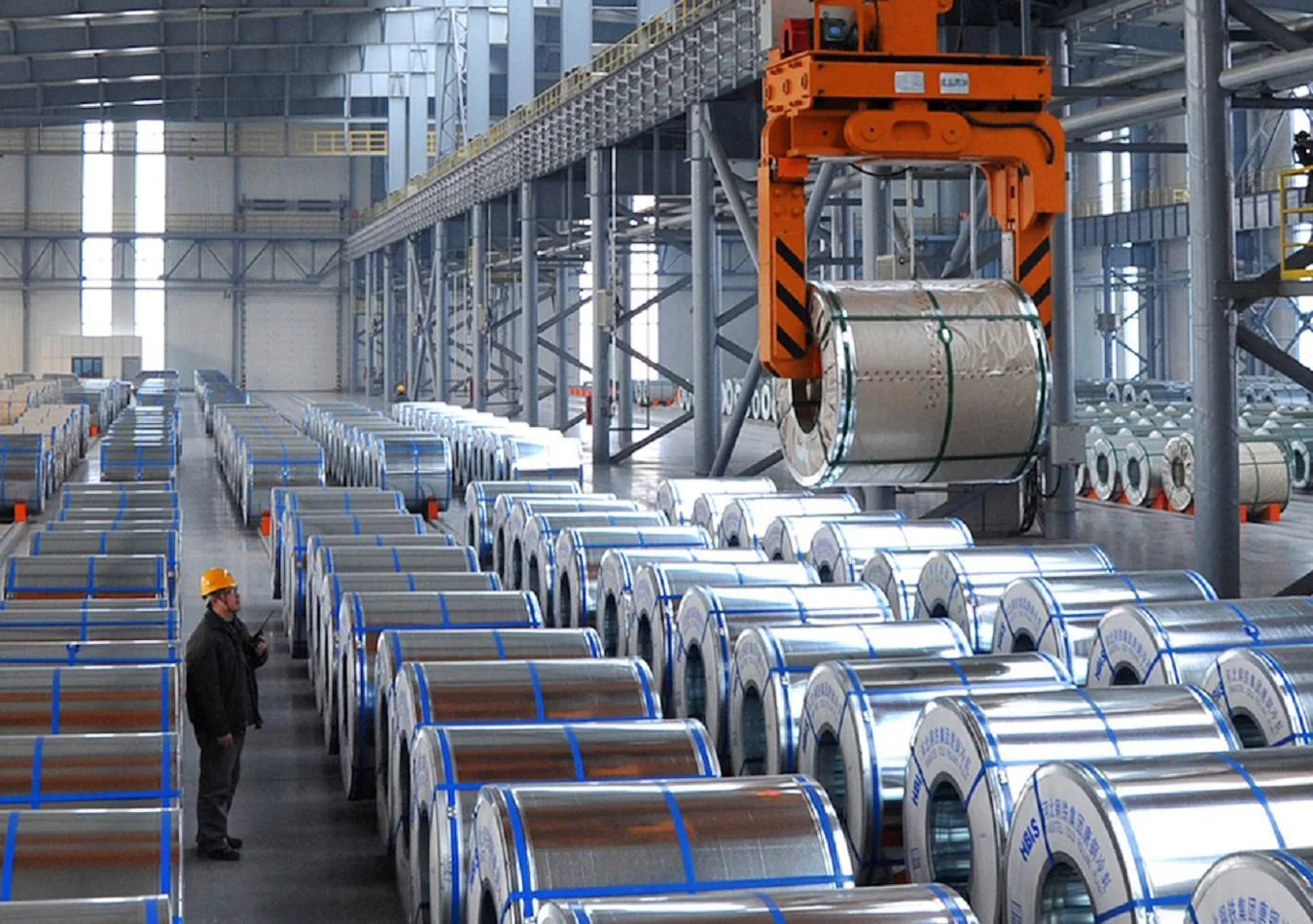

Steel is a fundamental material in numerous industries, from construction to automotive. Knowing the current price of steel per ton is crucial for budgeting, procurement, and investment decisions. This guide offers a thorough analysis of steel pricing, including factors influencing costs, recent trends, and tips for navigating the steel market.
Understanding Steel Pricing
The price of steel per ton can vary significantly based on several factors. Understanding these factors helps in accurately assessing the cost of steel for various applications.
- Types of Steel
- Carbon Steel: The most common type, used in construction and manufacturing. Prices can range from $600 to $800 per ton, depending on quality and grade.
- Alloy Steel: Contains additional elements for improved properties. Prices typically range from $800 to $1,200 per ton.
- Stainless Steel: Known for its corrosion resistance. Prices for stainless steel can range from $1,500 to $3,000 per ton.
- Galvanized Steel: Coated with zinc to prevent rust. Prices usually fall between $700 and $1,000 per ton.
- Quality and Grade
- High-Strength Steel: Often more expensive due to enhanced performance characteristics. Prices can exceed $1,200 per ton.
- Standard Grades: Basic grades of steel are more affordable but may not meet specific performance requirements.
Factors Influencing Steel Prices
- Raw Material Costs
- Iron Ore: As the primary raw material for steel, fluctuations in iron ore prices directly affect steel prices.
- Coking Coal: Essential for steel production, especially in blast furnaces. Rising coal prices can lead to higher steel costs.
- Production Costs
- Energy Prices: Steel production is energy-intensive. Increases in electricity or fuel prices can drive up steel prices.
- Labor Costs: Higher wages and labor costs in steel manufacturing also contribute to increased steel prices.
- Supply and Demand
- Construction Boom: High demand from the construction industry can push prices up.
- Industrial Growth: Increased manufacturing and automotive sector demand also influence steel pricing.
- Global Market Trends
- Economic Conditions: Global economic health impacts steel demand and pricing. Economic downturns can lead to lower prices, while booms can drive them up.
- Trade Policies: Tariffs, trade agreements, and geopolitical events can affect steel prices by altering supply chains and market dynamics.
- Regional Variations
- Local Market Conditions: Prices can vary based on regional supply and demand, transportation costs, and local regulations.
Recent Market Trends
- Price Fluctuations
- Short-Term Trends: Steel prices have been volatile due to fluctuating raw material costs and supply chain disruptions. Monitoring these trends helps in making timely purchasing decisions.
- Long-Term Trends: Observing long-term trends in steel prices provides insight into market stability and future price movements.
- Technological Advancements
- Innovation: Advances in steel production technology can impact prices by improving efficiency and reducing costs. Staying informed about these developments can provide a competitive edge.
- Sustainability Initiatives
- Green Steel: The push for sustainable production practices is influencing steel prices. Green steel initiatives may lead to higher prices due to the costs of adopting new technologies and practices.
How to Find Current Steel Prices
- Industry Websites
- Steel Manufacturers: Check the websites of major steel manufacturers like Tata Steel, JSW Steel, and SAIL for up-to-date pricing information.
- Industry Portals: Platforms like SteelOrbis, Metal Bulletin, and Fastmarkets provide current steel price reports and market analysis.
- Commodity Exchanges
- London Metal Exchange (LME): Offers global pricing information for various metals, including steel.
- Shanghai Futures Exchange (SHFE): Provides information on steel futures prices, relevant for the Asian market.
- Online Marketplaces
- Alibaba: Lists current steel prices from various suppliers, useful for comparing prices and finding potential suppliers.
- Indiamart: Provides local steel pricing information in India, which can be useful for regional projects.
- Financial News and Reports
- Business News Websites: Sites like Bloomberg, Reuters, and Economic Times often cover updates on steel prices and market trends.
- Market Reports: Detailed reports from research firms and industry analysts provide valuable insights into steel pricing and market conditions.
Tips for Navigating Steel Pricing
- Cross-Check Prices
- Verify Information: Always compare prices from multiple sources to ensure accuracy and get the best deal.
- Consider Additional Costs
- Factor in Extras: Account for additional costs such as transportation, taxes, and tariffs when calculating the total cost of steel.
- Consult Experts
- Industry Advice: Seek advice from industry experts or steel suppliers to gain insights into market trends and pricing strategies.
- Monitor Market Trends
- Stay Updated: Regularly monitor market conditions and price trends to make informed purchasing decisions and anticipate potential price changes.
Conclusion
Understanding the current price of steel per ton is essential for effective budgeting and strategic planning. By exploring various types of steel, considering factors that influence prices, and utilizing reliable sources for pricing information, you can make well-informed decisions for your projects and investments.
For the most accurate and up-to-date steel prices, refer to industry websites, commodity exchanges, and financial news sources. Staying informed about market trends and consulting with experts will help you navigate the complexities of steel pricing and optimize your purchasing strategies.