
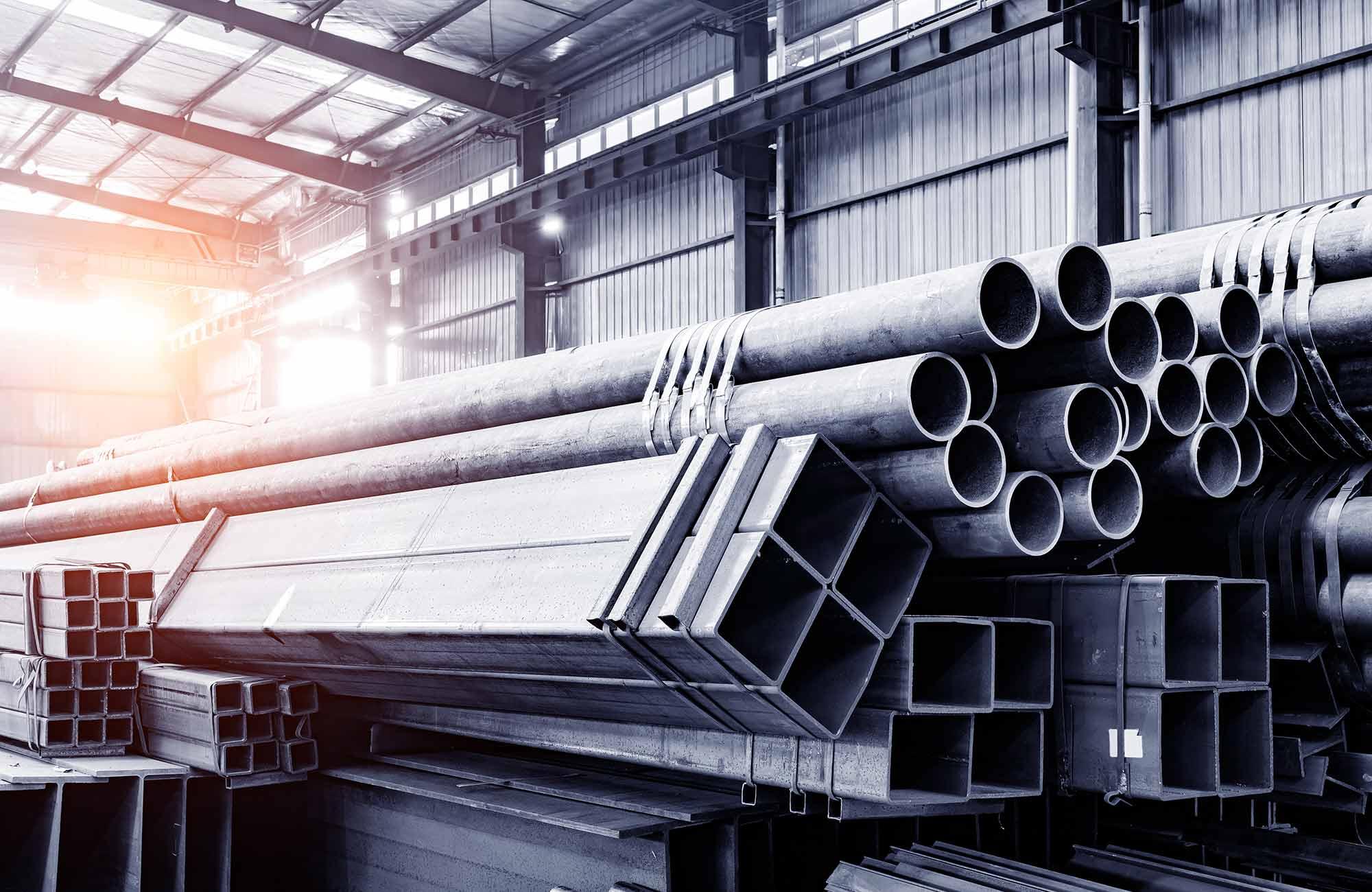
Carbon steel is a widely used material known for its durability, strength, and versatility. This guide delves into what carbon steel is, its different types, key properties, and common applications. Whether you’re in construction, manufacturing, or just curious about materials, this article covers everything you need to know about carbon steel.
What is Carbon Steel?
Carbon steel is an alloy composed primarily of iron and carbon. The carbon content in carbon steel typically ranges from 0.05% to 2.0%, with varying amounts of other elements like manganese, silicon, and copper. The addition of carbon to iron increases the material’s hardness and strength, making it ideal for a wide range of applications.
Types of Carbon Steel
Carbon steel is categorized based on its carbon content into three main types:
- Low Carbon Steel (Mild Steel):
- Carbon Content: 0.05% to 0.25%
- Properties: Highly ductile, malleable, and easy to weld. It has lower tensile strength and hardness.
- Uses: Construction materials, automotive body panels, and pipes.
- Medium Carbon Steel:
- Carbon Content: 0.25% to 0.60%
- Properties: Balances ductility and strength, can be heat-treated for higher strength and wear resistance.
- Uses: Railway tracks, gears, and structural components.
- High Carbon Steel:
- Carbon Content: 0.60% to 2.0%
- Properties: Very hard and strong, but less ductile and more difficult to weld.
- Uses: Cutting tools, springs, and high-strength wires.
Properties of Carbon Steel
- Strength and Hardness:
- Higher carbon content increases the strength and hardness of the steel, making it suitable for demanding applications.
- Ductility and Malleability:
- Low carbon steel is highly ductile and malleable, making it easy to shape and form.
- Weldability:
- Low and medium carbon steels are easier to weld compared to high carbon steel, which requires special techniques.
- Heat Treatment:
- Carbon steel can be heat-treated to alter its mechanical properties, such as increasing hardness or improving toughness.
- Corrosion Resistance:
- Generally, carbon steel has low corrosion resistance. It often requires protective coatings or treatments to prevent rust.
Common Applications of Carbon Steel
- Construction:
- Used in structural beams, columns, and reinforcing bars due to its strength and durability.
- Automotive Industry:
- Employed in manufacturing car bodies, chassis, and engine components because of its formability and strength.
- Tools and Machinery:
- High carbon steel is ideal for cutting tools, drills, and machinery parts due to its hardness and wear resistance.
- Pipes and Tubes:
- Utilized in plumbing, gas lines, and industrial piping for its ability to withstand high pressure.
- Infrastructure:
- Essential in the construction of bridges, railways, and other critical infrastructure projects.
Advantages and Disadvantages of Carbon Steel
Advantages:
- Cost-Effective: Generally cheaper than other types of steel.
- Versatility: Suitable for a wide range of applications.
- Strength: Offers high tensile strength and durability.
Disadvantages:
- Corrosion: Susceptible to rust and corrosion without proper treatment.
- Brittleness: High carbon steel can be brittle and prone to cracking.
- Weldability: Higher carbon content makes welding more challenging.
Conclusion
Carbon steel is a crucial material in many industries due to its diverse properties and applications. Understanding the different types of carbon steel and their specific properties can help you choose the right material for your needs. Whether for construction, manufacturing, or tool making, carbon steel’s versatility and strength make it an indispensable resource.
This comprehensive guide provides all the information you need to understand what carbon steel is, its types, properties, and uses. With this knowledge, you can appreciate the significance of carbon steel in modern industry and everyday applications.