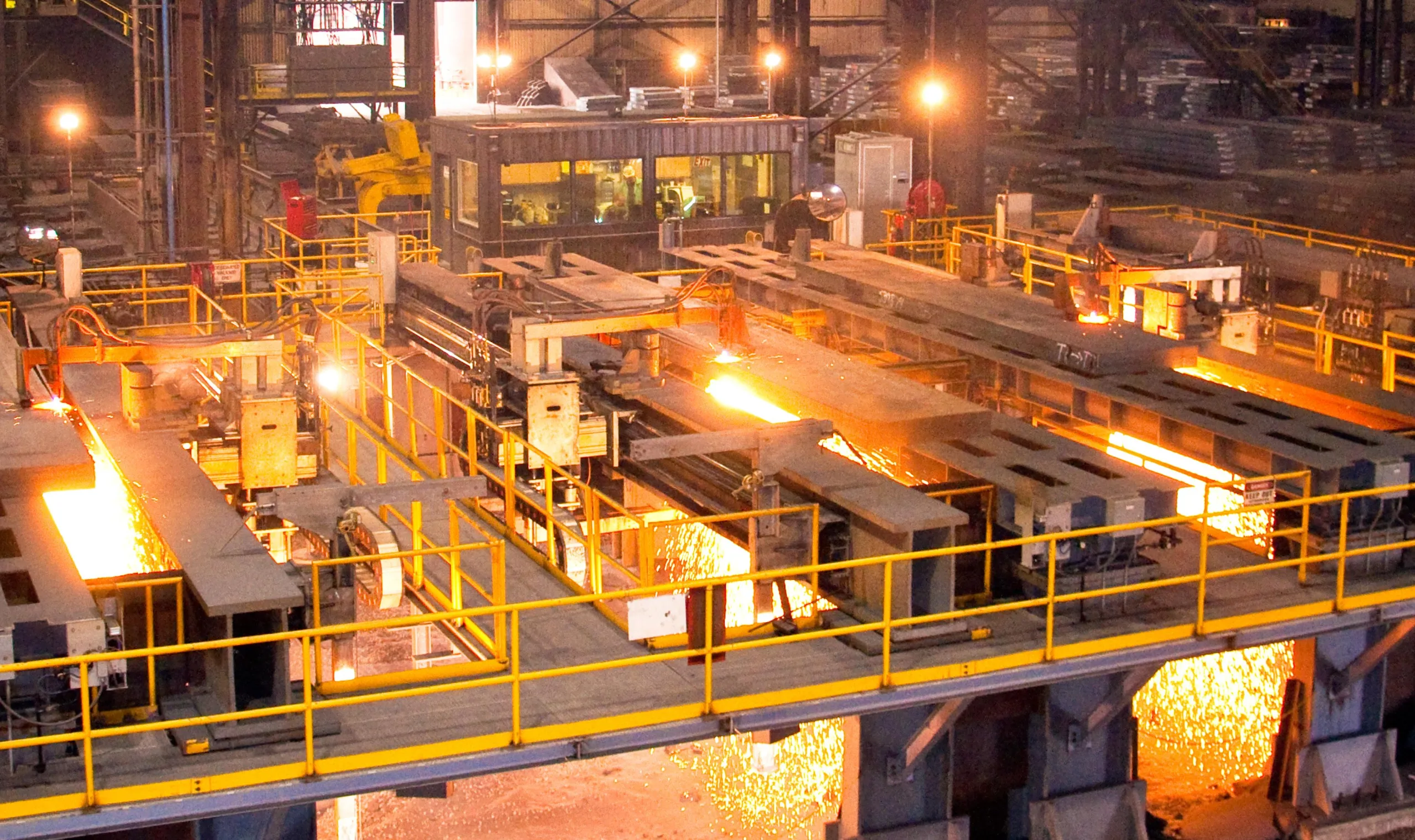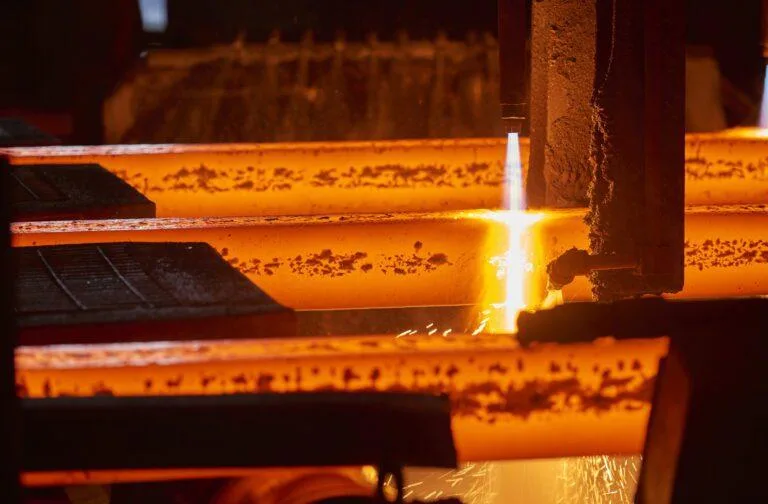

Steel production is a cornerstone of industrial development, but it comes with significant environmental impacts. Understanding these impacts and exploring ways to mitigate them is crucial for creating a sustainable future. This article delves into the environmental effects of steel production and discusses potential solutions to reduce its ecological footprint.
Key Environmental Impacts of Steel Production
1. Carbon Emissions
Steel production is a major source of carbon dioxide (CO2) emissions, contributing to global warming. The primary sources of these emissions include:
– Blast Furnaces: The traditional blast furnace method, which relies on coke (a coal derivative), generates significant CO2.
– Electric Arc Furnaces (EAFs): Although EAFs produce less CO2, they still rely on electricity, often generated from fossil fuels.
According to the World Steel Association, the steel industry accounts for approximately 7-9% of global CO2 emissions.
2. Energy Consumption
Steel production is highly energy-intensive. The energy required for processes like smelting and refining contributes to environmental degradation:
– Fossil Fuel Dependence: The majority of energy used in steel production comes from coal and natural gas, leading to further emissions.
– Energy Efficiency: Efforts to improve energy efficiency are ongoing, but the industry still faces challenges in reducing its overall energy consumption.
3. Resource Depletion
The extraction and processing of raw materials for steel production, such as iron ore and coal, lead to resource depletion and environmental damage:
– Mining Impacts: Mining activities can result in habitat destruction, soil erosion, and water pollution.
– Material Scarcity: As high-quality ores become scarcer, the environmental cost of extracting and processing lower-grade materials increases.
4. Water Pollution
Steel production processes can contaminate water sources through the release of pollutants:
– Wastewater Discharge: Contaminated wastewater from steel mills can contain heavy metals, acids, and other harmful substances.
– Thermal Pollution: The discharge of hot water used in cooling processes can harm aquatic ecosystems by raising water temperatures.
5. Air Pollution
The steel industry is a significant source of air pollutants, including:
– Particulate Matter (PM): Dust and fine particles released during production can affect air quality and human health.
– Sulfur Oxides (SOx) and Nitrogen Oxides (NOx): These pollutants can cause acid rain and contribute to respiratory problems.
Mitigation Strategies and Sustainable Solutions
1. Adopting Cleaner Technologies
Transitioning to cleaner production technologies can significantly reduce the environmental impact of steel production:
– Hydrogen-based Steelmaking: Using hydrogen instead of coke can drastically lower CO2 emissions.
– Electric Arc Furnaces (EAFs): Increasing the use of EAFs, particularly those powered by renewable energy, can reduce emissions and energy consumption.
2. Enhancing Energy Efficiency
Improving energy efficiency in steel production processes can lead to substantial environmental benefits:
– Waste Heat Recovery: Utilizing waste heat from production processes can reduce energy consumption.
– Advanced Monitoring Systems: Implementing smart technologies to monitor and optimize energy use can lead to significant savings.
3. Recycling and Circular Economy
Emphasizing recycling and adopting a circular economy approach can minimize resource depletion and waste generation:
– Steel Recycling: Steel is highly recyclable, and using scrap metal in EAFs can reduce the need for raw materials and energy.
– Product Lifecycle Management: Designing products for longer life and recyclability can contribute to a more sustainable industry.
4. Regulatory and Policy Measures
Governments and regulatory bodies play a crucial role in driving sustainable practices in the steel industry:
– Carbon Pricing: Implementing carbon pricing mechanisms can incentivize the reduction of emissions.
– Environmental Standards: Enforcing strict environmental standards can ensure compliance and drive innovation.
5. Corporate Social Responsibility (CSR)
Steel companies can adopt CSR practices to address their environmental impact:
– Sustainability Reporting: Transparency in reporting environmental performance can drive improvements and accountability.
– Community Engagement: Engaging with local communities to address environmental concerns and invest in sustainable initiatives can build trust and drive positive change.
Conclusion
The environmental impacts of steel production are significant, but with concerted efforts and innovative solutions, the industry can move towards a more sustainable future. By adopting cleaner technologies, enhancing energy efficiency, emphasizing recycling, and enforcing robust regulatory measures, the steel industry can mitigate its environmental footprint while continuing to support global development.