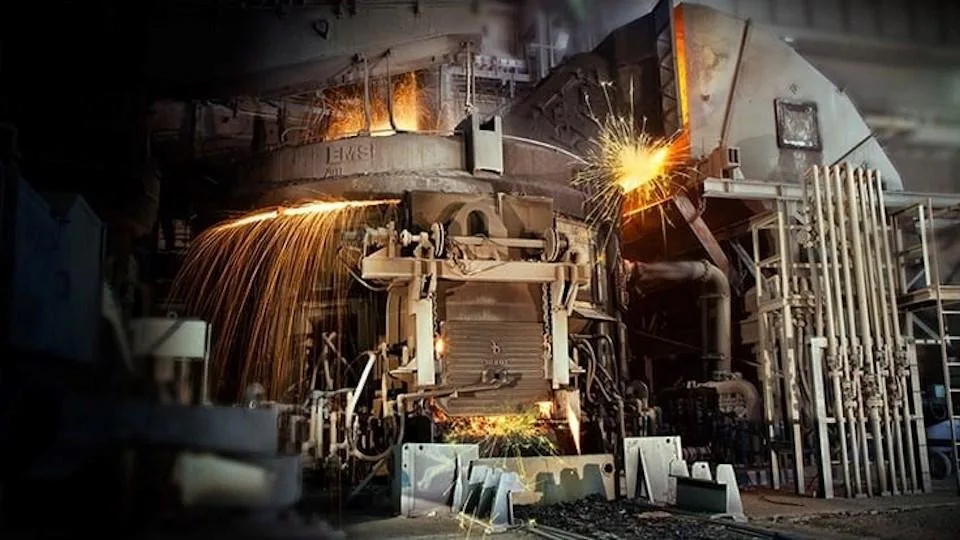

Steel suppliers are pivotal to the global economy, providing the essential materials needed for construction, manufacturing, automotive, and various other industries. As we move into 2024, understanding the landscape of steel suppliers, their roles, and the latest market trends is crucial for businesses and industry stakeholders. This comprehensive guide explores the top steel suppliers, key market trends, and insights into the steel supply chain.
Leading Steel Suppliers in 2024
- ArcelorMittal
- Overview: As the world’s largest steel manufacturer, ArcelorMittal also plays a significant role in steel supply. With a global presence, the company provides a vast range of steel products tailored to various industries.
- Key Strengths: Extensive distribution network, advanced logistics capabilities, and a strong focus on sustainability.
- Nippon Steel Corporation
- Overview: Nippon Steel, Japan’s leading steel producer, supplies high-quality steel products worldwide. The company is known for its innovative solutions and reliable supply chain.
- Key Strengths: High-quality products, strong customer service, and advanced technological integration.
- Tata Steel
- Overview: Tata Steel, one of India’s largest steel producers, has a robust supply network catering to domestic and international markets. The company offers a diverse range of steel products.
- Key Strengths: Strong brand reputation, extensive product portfolio, and commitment to sustainability.
- POSCO
- Overview: South Korean steel giant POSCO is a major supplier of steel products globally. The company’s efficient production and distribution systems ensure timely delivery of high-quality steel.
- Key Strengths: Advanced manufacturing processes, strong supply chain infrastructure, and innovative product offerings.
- China Baowu Steel Group
- Overview: As the largest steel producer in China, Baowu Steel Group also serves as a key supplier in the global market. The company is known for its massive production capacity and reliable supply chain.
- Key Strengths: Extensive production capacity, strong domestic market presence, and strategic global partnerships.
Key Market Trends in Steel Supply
- Sustainability and Green Steel Initiatives
- Eco-friendly Practices: Suppliers are increasingly adopting sustainable practices to reduce their environmental footprint. This includes using recycled materials and investing in green steel production technologies.
- Certifications and Standards: Adherence to international sustainability standards and certifications is becoming a key differentiator among steel suppliers.
- Technological Advancements
- Digitalization: The integration of digital technologies like IoT, AI, and blockchain in supply chain management enhances transparency, efficiency, and traceability.
- Smart Warehousing: Automation and smart warehousing solutions are improving inventory management and reducing lead times.
- Global Supply Chain Resilience
- Diversification: Suppliers are diversifying their sourcing and distribution channels to mitigate risks associated with geopolitical tensions and global disruptions.
- Local Sourcing: Increased focus on local sourcing and production to enhance supply chain resilience and reduce dependency on international markets.
- Customer-centric Approach
- Customization: Offering customized steel products tailored to specific industry needs and requirements is becoming a standard practice.
- Service Excellence: Suppliers are investing in customer service, providing technical support, and ensuring timely delivery to build long-term relationships.
Future Outlook for Steel Suppliers
- Sustainability Focus
- The emphasis on sustainability will continue to grow, with suppliers investing more in green technologies and eco-friendly practices.
- Collaboration with customers and industry partners to promote circular economy principles and reduce waste.
- Technological Integration
- Continued adoption of advanced technologies to optimize supply chain operations, improve efficiency, and enhance product quality.
- Development of new steel grades and innovative products to meet evolving market demands.
- Market Expansion
- Growth in emerging markets, particularly in Asia and Africa, will drive demand for steel products and present new opportunities for suppliers.
- Strategic partnerships and joint ventures to expand market reach and enhance competitive advantage.
Conclusion
Steel suppliers in 2024 are navigating a complex and dynamic landscape marked by sustainability, technological advancements, and global supply chain challenges. By understanding the leading suppliers, key market trends, and future outlook, businesses and industry stakeholders can make informed decisions and capitalize on opportunities. Staying ahead in this evolving market requires embracing new technologies, promoting sustainable practices, and fostering strong customer relationships.