Introduction
Climate change is one of the most pressing global challenges, affecting various sectors, including the steel industry. As a major contributor to carbon emissions and resource consumption, the steel industry faces significant pressures to adapt and evolve in response to environmental concerns. This article explores the impact of climate change on the steel industry, highlighting the associated challenges, opportunities for sustainable practices, and strategies for transformation.
The Steel Industry’s Environmental Footprint
- Carbon Emissions:
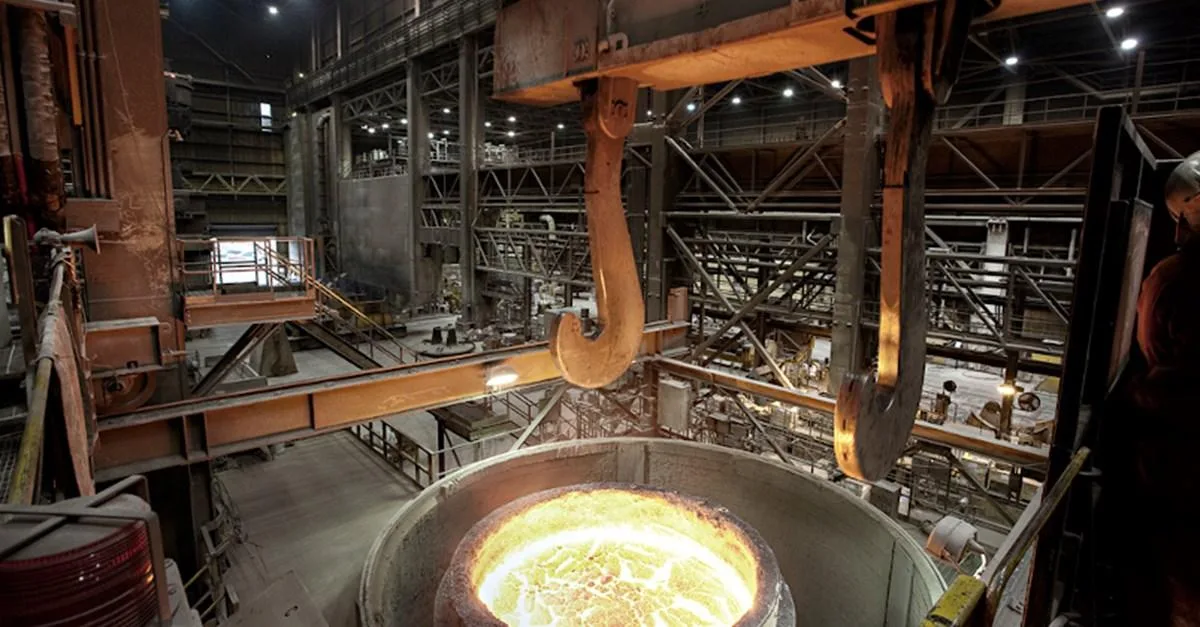
- High Emission Levels: The steel industry is one of the largest industrial sources of carbon dioxide (CO2) emissions, primarily due to the use of coke in blast furnaces. Steel production accounts for approximately 7-9% of global CO2 emissions.
- Energy Consumption: Steel manufacturing is energy-intensive, with significant consumption of fossil fuels contributing to greenhouse gas emissions. Traditional methods, such as blast furnaces, are particularly carbon-intensive.
- Resource Use:
- Raw Materials: Steel production relies on vast quantities of iron ore, coal, and limestone. The extraction and processing of these raw materials have environmental implications, including habitat destruction, water usage, and pollution.
- Waste Generation: Steel production generates substantial amounts of waste, including slag and dust, which can pose disposal and environmental management challenges.
Regulatory Pressures and Market Trends
- Climate Policies:
- Global Agreements: International climate agreements, such as the Paris Agreement, aim to limit global warming and reduce greenhouse gas emissions. Steel companies are under pressure to align with these goals and contribute to national and global emission reduction targets.
- Carbon Pricing: Carbon pricing mechanisms, including carbon taxes and cap-and-trade systems, are being implemented to incentivize emissions reductions. These policies impact the steel industry by increasing operational costs associated with carbon emissions.
- Consumer Expectations:
- Sustainability Demand: There is growing consumer demand for environmentally friendly products and practices. Steel companies are facing increased pressure to adopt sustainable practices and demonstrate their commitment to reducing their environmental impact.
- Green Building Standards: The rise of green building standards and certifications, such as LEED (Leadership in Energy and Environmental Design), encourages the use of sustainable materials, including steel, with lower environmental footprints.
Strategies for Sustainable Transformation
- Innovative Technologies:
- Hydrogen-Based Steelmaking: Hydrogen-based steelmaking is a promising technology that uses hydrogen instead of coke to reduce iron ore. This method significantly lowers CO2 emissions and offers a cleaner alternative to traditional blast furnaces.
- Electric Arc Furnaces (EAF): Electric arc furnaces, which use electricity to melt scrap steel, are less carbon-intensive than blast furnaces. Increasing the use of EAFs and improving their efficiency can contribute to reduced emissions and energy consumption.
- Energy Efficiency Improvements:
- Process Optimization: Implementing energy-efficient technologies and practices, such as waste heat recovery and advanced energy management systems, can reduce energy consumption and emissions in steel production.
- Renewable Energy: Investing in renewable energy sources, such as wind and solar power, to supply energy for steel production can decrease reliance on fossil fuels and lower carbon emissions.
- Circular Economy Practices:
- Recycling and Reuse: Enhancing recycling and reuse of steel scrap and other by-products helps reduce raw material consumption and waste. A circular economy approach minimizes environmental impact and promotes resource efficiency.
- Product Life Extension: Designing steel products for durability and ease of recycling extends their lifecycle and reduces the need for new raw materials, supporting sustainability goals.
- Carbon Capture and Storage (CCS):
- CCS Technologies: Carbon capture and storage technologies capture CO2 emissions from steel production and store them underground or use them in other applications. Implementing CCS can help mitigate emissions while transitioning to cleaner production methods.
Case Studies of Successful Adaptation
- Case Study: [Company Name]:
- Modernization Initiatives: [Company Name] successfully implemented hydrogen-based steelmaking technology, resulting in a significant reduction in CO2 emissions. Their investment in renewable energy and energy efficiency measures also contributed to their sustainability goals.
- Outcomes: The modernization led to improved environmental performance, cost savings, and enhanced market competitiveness. [Company Name] serves as a model for other steel producers seeking to adapt to climate challenges.
- Case Study: [Company Name]:
- Circular Economy Practices: [Company Name] adopted circular economy principles by increasing its steel recycling rates and optimizing waste management. Their efforts reduced raw material consumption and minimized environmental impact.
- Outcomes: The company achieved notable reductions in waste and resource use, improving its environmental footprint and aligning with sustainability standards.
Future Outlook
- Technological Advancements:
- Ongoing Research: Continued research and development in steelmaking technologies, including green hydrogen and advanced recycling methods, will play a crucial role in reducing the industry’s carbon footprint and achieving sustainability targets.
- Innovation Adoption: Early adoption of innovative technologies and practices will position steel companies as leaders in environmental stewardship and enhance their competitive edge in a sustainability-focused market.
- Collaborative Efforts:
- Industry Partnerships: Collaboration between steel producers, technology providers, and policymakers is essential for advancing sustainable practices and achieving collective climate goals. Industry partnerships can drive innovation and facilitate the adoption of best practices.
- Regulatory Alignment: Aligning with evolving climate regulations and participating in industry initiatives will help steel companies navigate regulatory challenges and demonstrate their commitment to sustainability.
Conclusion
The impact of climate change on the steel industry is profound, with significant implications for emissions, resource use, and regulatory compliance. However, the industry has the opportunity to lead the way in sustainable transformation through innovative technologies, energy efficiency improvements, and circular economy practices. By addressing these challenges and seizing opportunities for change, steel companies can reduce their environmental impact, meet regulatory requirements, and thrive in a climate-conscious market.