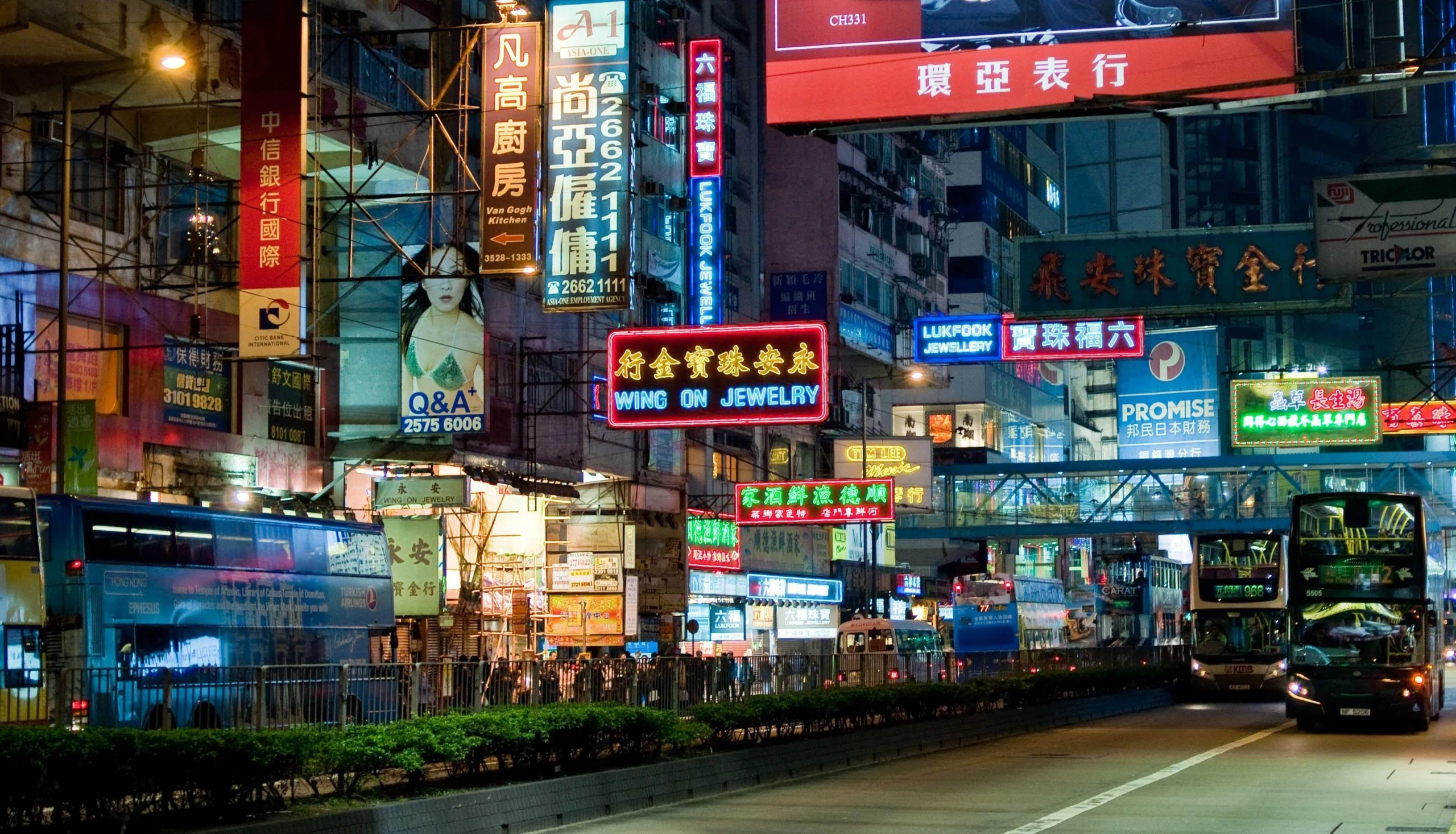
In recent years, the steel market in Hong Kong has undergone significant transformations, influenced by global trends, local demand, and environmental concerns. Despite being a steel importer, the city plays a pivotal role in the distribution and consumption of steel in the region. This article delves into the key developments that have shaped Hong Kong’s steel market, providing a comprehensive view of the factors that have driven its evolution.
Boom in Infrastructure and Construction
Hong Kong’s skyline is continually expanding, fueled by the city’s commitment to infrastructure development. In the past decade, major construction projects, including transportation systems, high-rise buildings, and housing complexes, have driven up the demand for steel. Key developments such as the MTR expansion, the Hong Kong-Zhuhai-Macau Bridge, and new residential areas have led to a consistent uptick in steel consumption.
This infrastructure boom has been a defining factor in shaping Hong Kong’s steel market, positioning it as one of the largest consumers of steel products in Southeast Asia. Local demand from both public and private construction projects continues to bolster the industry, ensuring steady import flows.
Shifts in Global Supply Chains
One of the most impactful changes in recent years has been the disruption in global supply chains, which has had a profound effect on Hong Kong’s steel market. The COVID-19 pandemic caused logistical delays and shipping bottlenecks, limiting the supply of raw materials and finished steel products. This disruption led to significant price hikes and a reorganization of sourcing strategies.
To counter these challenges, many companies in Hong Kong have sought alternative suppliers and diversified their sourcing strategies. In some cases, this shift has resulted in stronger trade relations with steel producers outside of China, especially in regions like Southeast Asia and India.
China’s Steel Production and Policy Changes
China’s policies on steel production have also played a major role in the evolution of Hong Kong’s steel market. As China is the primary supplier of steel to Hong Kong, any shifts in Beijing’s production goals directly impact supply and pricing. In recent years, China has reduced its steel output to meet its environmental goals, which include reducing carbon emissions and transitioning to greener industrial practices.
These changes have led to fluctuations in steel availability in Hong Kong, compelling companies to adapt by exploring new sourcing avenues or increasing reliance on recycled steel. This trend is particularly important as environmental sustainability takes on a more prominent role in the steel industry.
Price Volatility and Market Fluctuations
Steel prices in Hong Kong have seen considerable volatility in recent years, driven by both global and regional factors. Fluctuations in the cost of raw materials, coupled with supply chain issues and inflationary pressures, have made steel prices less predictable. This price volatility has impacted sectors heavily reliant on steel, such as construction, manufacturing, and infrastructure development.
To manage this volatility, some companies have adopted strategies such as long-term contracts with suppliers, locking in prices to minimize the risk of unexpected cost surges. However, this remains a challenge, particularly as global economic conditions remain uncertain.
The Rise of ESG and Sustainable Steel
Environmental, social, and governance (ESG) factors have become central to the steel industry’s evolution in Hong Kong. With the global push toward sustainability, companies and governments are increasingly focused on reducing the carbon footprint of steel production and consumption. This has led to a growing interest in green steel , steel produced using low-carbon methods or recycled materials.
In Hong Kong, there is rising demand for sustainable building materials, driven by both regulatory pressures and market expectations. Construction companies and developers are increasingly opting for green steel solutions to align with ESG goals. This shift toward sustainability is expected to continue, reshaping the steel market’s future direction.
Adoption of Advanced Technologies
In recent years, the adoption of advanced technologies has played a role in optimizing Hong Kong’s steel market. Digital tools such as artificial intelligence, predictive analytics, and supply chain automation have been implemented to enhance efficiency and reduce costs. These technologies help steel companies predict market trends, optimize logistics, and improve inventory management.
Additionally, technological innovations in steel recycling have gained traction, reducing the reliance on primary steel and contributing to more sustainable production practices.
Future Prospects: What Lies Ahead for Hong Kong’s Steel Market?
The evolution of Hong Kong’s steel market over the last few years has been marked by adaptation to global changes, price volatility, and a growing emphasis on sustainability. As the city continues to invest in infrastructure and technology, the steel market is likely to remain dynamic and resilient. Future prospects include greater reliance on green steel, advanced digital supply chain management, and regional collaboration for a more stable and diversified steel supply.
However, challenges such as environmental regulations, geopolitical tensions, and economic uncertainties will continue to influence the market’s trajectory. Companies that remain agile and forward-thinking will be best positioned to navigate these complexities and seize opportunities in Hong Kong’s evolving steel sector.