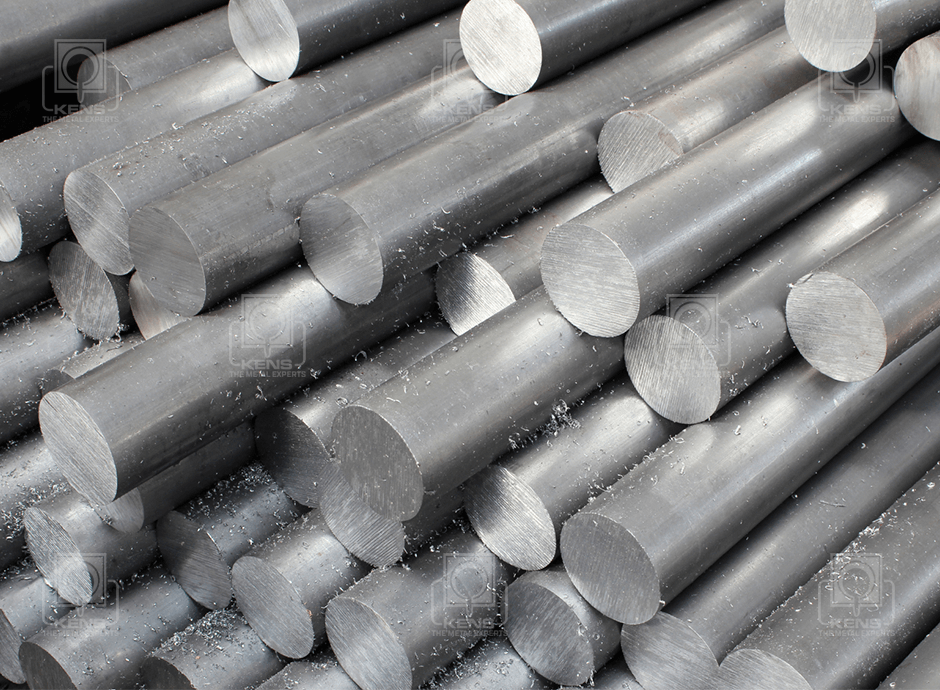

Steel manufacturing is a cornerstone of modern industry, essential for everything from construction to automotive. As we enter 2024, the steel manufacturing sector is evolving rapidly, driven by innovations, sustainability efforts, and changing market demands. This comprehensive guide explores the current state of steel manufacturing, key processes, emerging technologies, and future trends that are shaping the industry.
Key Processes in Steel Manufacturing
- Primary Steelmaking
- Blast Furnace (BF): The traditional method for producing steel, where iron ore is smelted with coke and limestone at high temperatures to produce pig iron. The BF process remains a major steelmaking technique, although it is increasingly complemented by newer methods.
- Basic Oxygen Furnace (BOF): This process converts pig iron into steel by blowing oxygen through the molten metal to reduce carbon content. It is widely used due to its efficiency and ability to produce large quantities of steel.
- Secondary Steelmaking
- Electric Arc Furnace (EAF): EAF uses electrical energy to melt scrap steel or direct reduced iron (DRI), producing high-quality steel. This method is more flexible and environmentally friendly compared to the BF-BOF route, as it allows for recycling of scrap metal.
- Vacuum Degassing: This secondary process removes impurities such as sulfur and nitrogen from molten steel to improve its quality and performance in various applications.
- Steel Casting
- Continuous Casting: Involves pouring molten steel into a continuous mold to form semi-finished products like billets, blooms, and slabs. This process improves efficiency, reduces waste, and enhances product quality.
- Ingot Casting: An older method where molten steel is poured into molds to solidify into ingots. Though less common now, it is still used for certain steel grades and applications.
- Hot and Cold Rolling
- Hot Rolling: The process of rolling steel at high temperatures to achieve desired shapes and sizes. Hot-rolled products include plates, bars, and structural shapes used in construction and manufacturing.
- Cold Rolling: Involves rolling steel at room temperature to produce thinner, high-precision products with improved surface finish and mechanical properties. Cold-rolled steel is used in automotive parts, appliances, and electronics.
Innovations in Steel Manufacturing
- Sustainable Steelmaking
- Green Steel Technologies: Advances in green steel production are transforming the industry. Technologies such as hydrogen-based reduction and carbon capture are being developed to reduce carbon emissions and environmental impact.
- Circular Economy: Emphasis on recycling and reusing steel materials is increasing. Companies are adopting circular economy practices to minimize waste and make steel production more sustainable.
- Digital Transformation
- Industry 4.0: The integration of IoT, AI, and big data analytics is revolutionizing steel manufacturing. Smart sensors and data-driven insights enhance process control, quality management, and operational efficiency.
- Automation: Robotics and automated systems are improving production efficiency, reducing labor costs, and enhancing safety in steel manufacturing processes.
- Advanced Steel Alloys
- High-Strength Steels: Development of advanced high-strength steels (AHSS) is driving innovations in automotive and construction sectors. These materials offer superior performance while reducing weight and material usage.
- Specialty Alloys: Tailored steel alloys are being developed for specific applications, such as aerospace and energy, where unique properties are required.
Current Market Trends
- Global Demand and Supply
- Emerging Markets: Rapid industrialization and infrastructure development in emerging markets, particularly in Asia and Africa, are driving steel demand. This trend is expected to continue as these regions expand their urban and industrial landscapes.
- Supply Chain Challenges: Global supply chain disruptions, including raw material shortages and logistical issues, are impacting steel manufacturing. Companies are focusing on improving supply chain resilience and diversifying their sources.
- Regulatory and Environmental Factors
- Stricter Regulations: Increasing environmental regulations are pushing steel manufacturers to adopt cleaner technologies and reduce emissions. Compliance with these regulations is becoming a critical aspect of industry operations.
- Sustainability Reporting: Transparency in sustainability practices and reporting is gaining importance. Companies are being held accountable for their environmental impact and are required to demonstrate their commitment to sustainable practices.
Future Outlook for Steel Manufacturing
- Technological Advancements
- Next-Generation Steelmaking: Future innovations will focus on further reducing emissions and enhancing production efficiency. Research into new materials and processes will continue to shape the industry’s future.
- Digital Integration: The ongoing digital transformation will lead to more advanced and interconnected manufacturing systems, improving efficiency, quality, and decision-making.
- Sustainability and Green Initiatives
- Decarbonization Goals: The steel industry will increasingly align with global decarbonization goals. Investment in green technologies and sustainable practices will be crucial for meeting these targets and ensuring long-term industry viability.
- Eco-Friendly Practices: Adoption of eco-friendly practices, such as using renewable energy sources and optimizing resource use, will become standard in steel manufacturing.
- Market Dynamics
- Evolving Demand: Changes in global demand, influenced by economic conditions and technological advancements, will continue to drive steel manufacturing trends. Companies must stay agile and responsive to these shifts to remain competitive.
Conclusion
Steel manufacturing in 2024 is characterized by significant innovations, evolving processes, and a strong focus on sustainability. Understanding the key processes, technological advancements, and market trends is essential for industry professionals and stakeholders. Embracing new technologies, adapting to regulatory changes, and investing in sustainable practices will be critical for success in this dynamic sector.