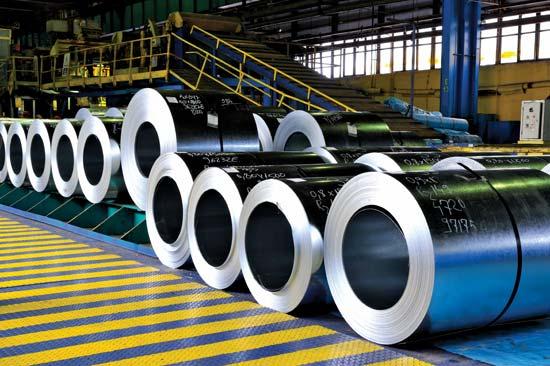
Saudi Arabia’s strategic investments in the global steel market are a testament to its vision of economic diversification and industrial growth. However, entering this complex and competitive arena comes with its own set of risks and challenges. From price volatility and supply chain issues to geopolitical tensions and environmental regulations, Saudi investors must be well-prepared to navigate these obstacles. This article delves into the key risks and challenges Saudi Arabia faces in the global steel market and provides strategies to overcome them.
1. Price Volatility
Steel prices are subject to significant fluctuations due to changes in supply and demand, raw material costs, and global economic conditions. For Saudi investors, this volatility can lead to unpredictable returns and financial instability.
Strategy: To mitigate price risks, Saudi investors should consider employing hedging strategies, such as futures contracts and options. Additionally, diversifying investments across different regions and sectors can help cushion the impact of price swings.
2. Supply Chain Disruptions
The steel industry relies on a complex global supply chain that includes raw material extraction, production, and distribution. Any disruption in this chain, whether due to political instability, logistical challenges, or natural disasters, can severely impact operations.
Strategy: Saudi investors should prioritize building resilient supply chains by forming strategic partnerships with reliable suppliers and investing in technology that enhances supply chain visibility. Geographic diversification can also help reduce dependency on any single source.
3. Geopolitical Risks
Geopolitical tensions, including trade wars and regional conflicts, pose significant risks to the steel market. For Saudi Arabia, navigating these tensions is crucial, especially given its strategic location and political landscape.
Strategy: Staying informed about global political developments and engaging in proactive diplomacy can help mitigate geopolitical risks. Additionally, investors should consider diversifying their investment portfolios to include regions less prone to political instability.
4. Environmental Regulations
As the global focus on sustainability intensifies, the steel industry faces increasing pressure to comply with stringent environmental regulations. These regulations often require substantial investment in cleaner technologies and practices.
Strategy: Saudi investors should prioritize investments in companies that are committed to sustainability and have robust environmental policies in place. Supporting innovation and research in eco-friendly steel production methods can also provide a competitive edge.
5. Technological Advancements
The steel industry is rapidly evolving with advancements in automation, digitalization, and green technologies. While these innovations promise efficiency and cost savings, they also require significant capital investment and adaptation.
Strategy: Investing in cutting-edge technologies and staying abreast of industry trends can help Saudi investors remain competitive. Collaborating with technology leaders and investing in workforce training programs can facilitate smooth adoption of new technologies.
6. Market Competition
The global steel market is highly competitive, with major players from China, the United States, and Europe dominating the landscape. Saudi investors must be prepared to face intense competition and establish a strong market presence.
Strategy: Differentiating through quality, innovation, and customer service can help Saudi steel companies stand out in the competitive market. Strategic acquisitions and partnerships can also facilitate market entry and expansion.
Conclusion
Saudi Arabia’s investment in the global steel market presents both significant opportunities and formidable challenges. By understanding the key risks and adopting strategic approaches, Saudi investors can navigate these complexities and achieve sustainable growth. Staying informed, leveraging technology, and prioritizing sustainability are essential to thriving in this dynamic market. With careful planning and proactive strategies, Saudi Arabia can establish itself as a formidable player in the global steel industry.