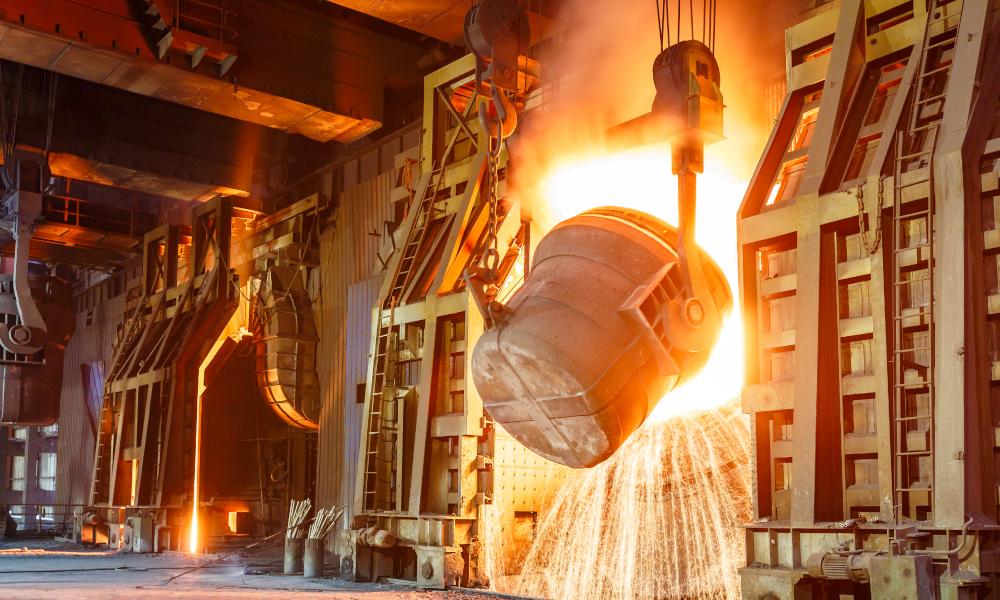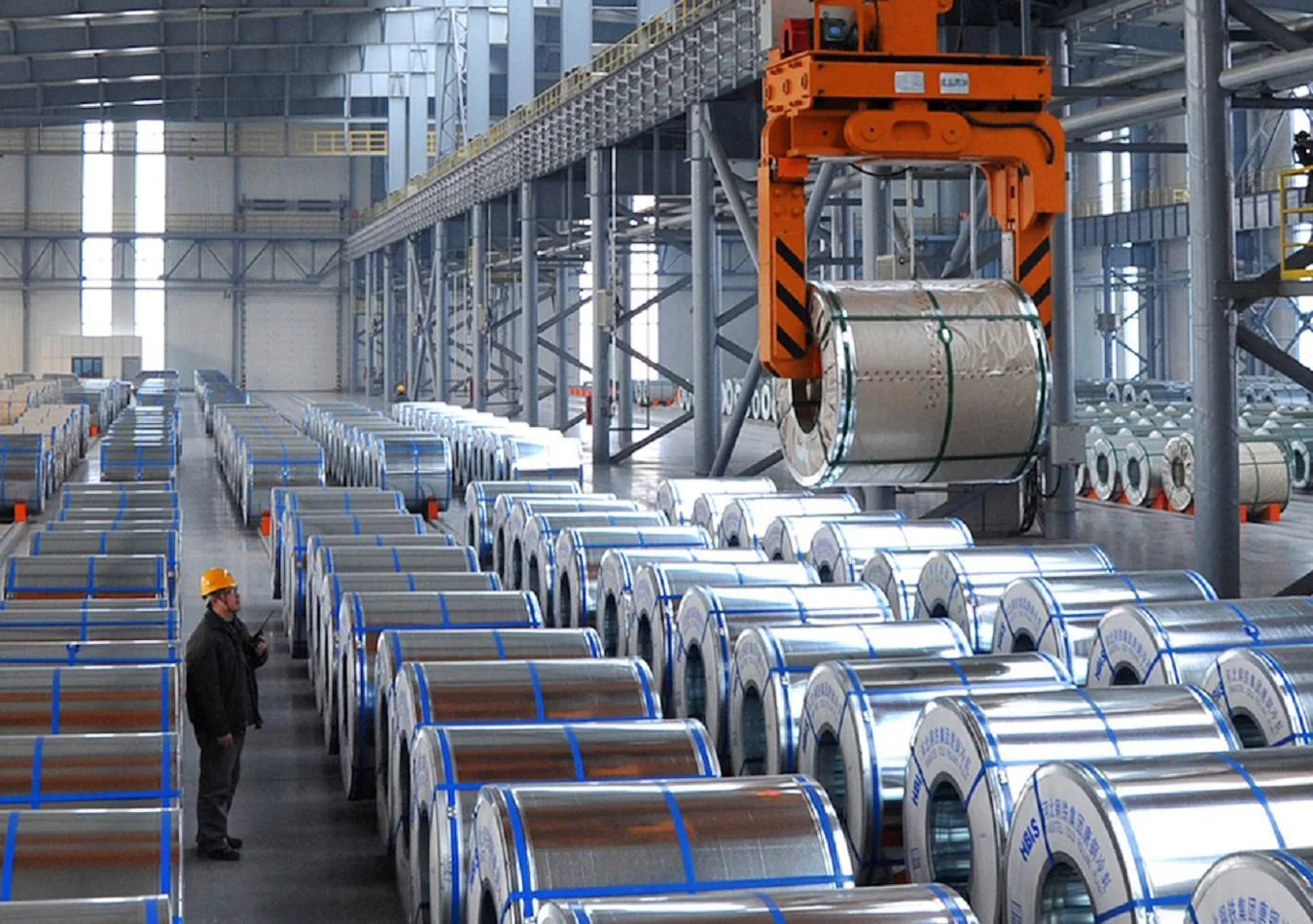

The steel industry plays a pivotal role in global infrastructure and manufacturing, but it also faces significant environmental challenges. As regulations become more stringent and the push for sustainability grows, steel companies must navigate a complex landscape of environmental regulations. This article provides an in-depth overview of the main environmental regulations affecting steel companies, highlighting compliance guidelines and best practices to ensure sustainable and responsible operations.
1. Understanding Environmental Regulations for Steel Companies
Environmental regulations for steel companies are designed to mitigate the industry’s impact on air, water, and soil. These regulations vary by country but generally focus on controlling emissions, managing waste, and conserving resources. Compliance with these regulations is crucial for operational legality and environmental stewardship.
2. Key Environmental Regulations
- Air Quality Standards
- Regulation Overview: Steel production involves processes that emit various pollutants, including carbon dioxide (CO2), sulfur dioxide (SO2), nitrogen oxides (NOx), and particulate matter. Regulations such as the U.S. Environmental Protection Agency’s (EPA) Clean Air Act and the European Union’s Industrial Emissions Directive set limits on these emissions.
- Compliance Tips: Implement advanced emission control technologies, such as scrubbers and electrostatic precipitators, to reduce pollutants. Regularly monitor and report emissions to comply with regulatory standards.
- Water Use and Discharge Regulations
- Regulation Overview: Steel production requires significant water use, leading to potential contamination of water bodies with pollutants. Regulations like the U.S. Clean Water Act and the EU Water Framework Directive mandate the treatment and proper discharge of industrial wastewater.
- Compliance Tips: Invest in water recycling and treatment systems to minimize wastewater discharge. Regularly test water quality and adhere to discharge limits to prevent contamination.
- Waste Management and Recycling
- Regulation Overview: Steel production generates various types of waste, including slag, dust, and sludge. Regulations such as the Resource Conservation and Recovery Act (RCRA) in the U.S. and the EU’s Waste Framework Directive focus on waste management and recycling.
- Compliance Tips: Implement waste reduction strategies, such as recycling by-products and using waste in other industrial processes. Properly manage and dispose of hazardous waste according to regulatory requirements.
- Climate Change and Greenhouse Gas Emissions
- Regulation Overview: Steel companies are significant contributors to greenhouse gas emissions, particularly CO2. International agreements like the Paris Agreement and regional regulations require companies to reduce their carbon footprint and report emissions.
- Compliance Tips: Adopt energy-efficient technologies and renewable energy sources to lower greenhouse gas emissions. Develop and execute a carbon management plan to meet reduction targets.
- Health and Safety Regulations
- Regulation Overview: The steel industry must also adhere to regulations ensuring the health and safety of its workers, which indirectly impacts environmental management. The Occupational Safety and Health Administration (OSHA) in the U.S. and similar bodies in other regions establish standards for workplace safety.
- Compliance Tips: Ensure proper training and safety measures for employees handling hazardous materials. Regularly review and update safety protocols to comply with regulatory requirements.
3. Best Practices for Compliance
- Adopt Sustainable Technologies
- Invest in technologies that enhance energy efficiency, reduce emissions, and minimize waste. For example, electric arc furnaces (EAFs) are more environmentally friendly compared to traditional blast furnaces.
- Regular Environmental Audits
- Conduct regular audits to assess compliance with environmental regulations and identify areas for improvement. Third-party audits can provide an objective evaluation of your environmental performance.
- Engage in Environmental Reporting
- Transparent reporting on environmental performance and regulatory compliance is essential. Participate in sustainability reporting initiatives and disclose your environmental impact to stakeholders.
- Collaborate with Regulatory Agencies
- Maintain open communication with environmental regulatory agencies. Staying informed about regulatory changes and participating in industry consultations can help ensure timely compliance.
- Promote a Culture of Sustainability
- Foster a culture that prioritizes environmental responsibility within your organization. Encourage employees to adopt sustainable practices and invest in training programs to enhance environmental awareness.
Conclusion
Navigating environmental regulations is a critical aspect of operating a steel company in today’s eco-conscious world. By understanding and adhering to key regulations, such as those governing air quality, water discharge, waste management, greenhouse gas emissions, and worker safety, steel companies can not only comply with legal requirements but also contribute to a more sustainable future.
Implementing best practices, investing in sustainable technologies, and maintaining transparent reporting are essential for effective environmental management. By aligning with these regulations and embracing a culture of sustainability, steel companies can enhance their environmental performance, mitigate risks, and position themselves as leaders in responsible industry practices.