
Introduction
The steel manufacturing industry has undergone significant transformations over the past century, driven by technological advancements and a growing emphasis on sustainability. From pioneering production techniques to revolutionary innovations, these developments have reshaped how steel is produced, improving efficiency, quality, and environmental impact. This article explores the key innovations in steel manufacturing processes, highlighting how these advancements are setting new standards for the industry.
1. The Evolution of Steel Production Technologies
- The Basic Oxygen Steelmaking (BOS) Process:
- Overview: The Basic Oxygen Steelmaking process, developed in the 1950s, revolutionized steel production by significantly increasing efficiency and reducing costs. In this process, oxygen is blown through molten iron to remove impurities, resulting in high-quality steel with improved properties.
- Impact: BOS has enabled large-scale production of steel, making it a staple in the construction, automotive, and manufacturing industries. It has also facilitated the development of advanced steel grades and alloys.
- Electric Arc Furnace (EAF) Technology:
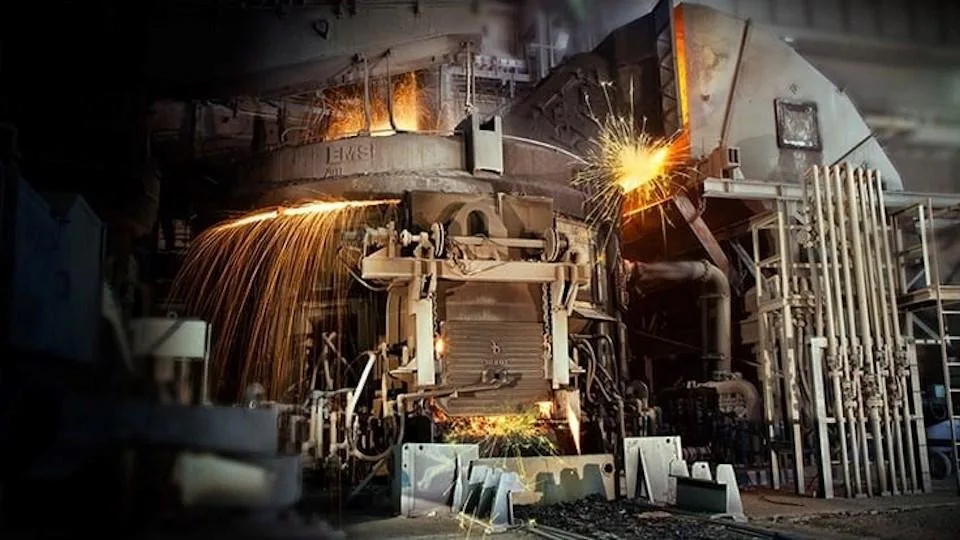
- Overview: The Electric Arc Furnace (EAF) uses electric arcs to melt scrap steel, offering a more flexible and environmentally friendly alternative to traditional blast furnaces. This process allows for precise control of steel composition and reduces reliance on raw materials.
- Advancements: Modern EAFs feature advanced technologies such as automated control systems, improved electrode management, and enhanced energy efficiency. These innovations contribute to higher productivity and lower operational costs.
- The Direct Reduction (DR) Process:
- Overview: The Direct Reduction process involves converting iron ore into direct reduced iron (DRI) using reducing gases like hydrogen or natural gas. This method offers a more sustainable alternative to traditional blast furnaces.
- Benefits: DR processes produce lower carbon emissions compared to conventional methods and allow for the use of a wider range of iron ore types. They also facilitate the integration of renewable energy sources.
2. Advancements in Steel Alloy Development
- High-Strength Low-Alloy (HSLA) Steels:
- Overview: High-Strength Low-Alloy steels are designed to offer superior strength, toughness, and resistance to corrosion. These alloys are used in demanding applications such as structural engineering, automotive manufacturing, and aerospace.
- Innovations: Advances in HSLA steel production include the development of microalloyed steels, which provide enhanced mechanical properties and improved weldability. These innovations support the creation of lighter and more durable products.
- Advanced High-Strength Steels (AHSS):
- Overview: Advanced High-Strength Steels are engineered to offer exceptional strength and formability. They are critical for applications requiring lightweight materials with high tensile strength, such as automotive bodies and structural components.
- Technological Breakthroughs: Innovations in AHSS include the development of complex microstructures and new alloying elements that enhance performance. Techniques like hot stamping and tailored blanks are used to optimize steel properties for specific applications.
3. Sustainable Practices and Green Steel Technologies
- Hydrogen-Based Steelmaking:
- Overview: Hydrogen-based steelmaking is an emerging technology aimed at reducing the carbon footprint of steel production. By using hydrogen instead of carbon-based fuels, this process can significantly lower greenhouse gas emissions.
- Current Developments: Several pilot projects and research initiatives are exploring the feasibility of hydrogen-based steelmaking. These efforts include developing efficient hydrogen production methods and integrating them into existing steel production facilities.
- Carbon Capture and Storage (CCS):
- Overview: Carbon Capture and Storage (CCS) technologies are designed to capture carbon dioxide emissions from steel production and store them underground or utilize them in other processes.
- Implementation: Innovations in CCS include advancements in capture technologies, improved storage techniques, and integration with other industrial processes. These technologies contribute to mitigating the environmental impact of steel production.
- Recycling and Circular Economy:
- Overview: The steel industry has increasingly focused on recycling and circular economy principles to minimize waste and reduce resource consumption. Steel is one of the most recycled materials globally, with recycling processes contributing to sustainability.
- Innovative Practices: Innovations in recycling include improved sorting and processing technologies, enhanced recovery of valuable materials, and the development of closed-loop recycling systems. These practices support the efficient use of resources and reduce the need for virgin materials.
4. Digitalization and Smart Manufacturing
- Industry 4.0 and Smart Steelmaking:
- Overview: Industry 4.0 technologies, including IoT (Internet of Things), artificial intelligence (AI), and big data analytics, are transforming steel manufacturing. These technologies enable real-time monitoring, predictive maintenance, and optimization of production processes.
- Examples: Smart steelmaking systems incorporate sensors and data analytics to enhance process control, improve quality, and reduce downtime. Innovations include automated quality inspection systems and advanced process modeling.
- Additive Manufacturing (3D Printing):
- Overview: Additive manufacturing, or 3D printing, is being explored for producing complex steel components with high precision and minimal material waste. This technology allows for the creation of customized parts and components that were previously difficult or impossible to manufacture.
- Advancements: Innovations in 3D printing include the development of high-performance steel alloys suitable for additive manufacturing and the integration of additive techniques into traditional steel production workflows.
Conclusion
The steel manufacturing industry continues to evolve through key innovations in production processes, alloy development, and sustainable practices. From the introduction of advanced technologies like hydrogen-based steelmaking and smart manufacturing to ongoing advancements in high-strength alloys and recycling, these innovations are shaping the future of steel production. As the industry adapts to new challenges and opportunities, these advancements will drive continued progress and sustainability in steel manufacturing.