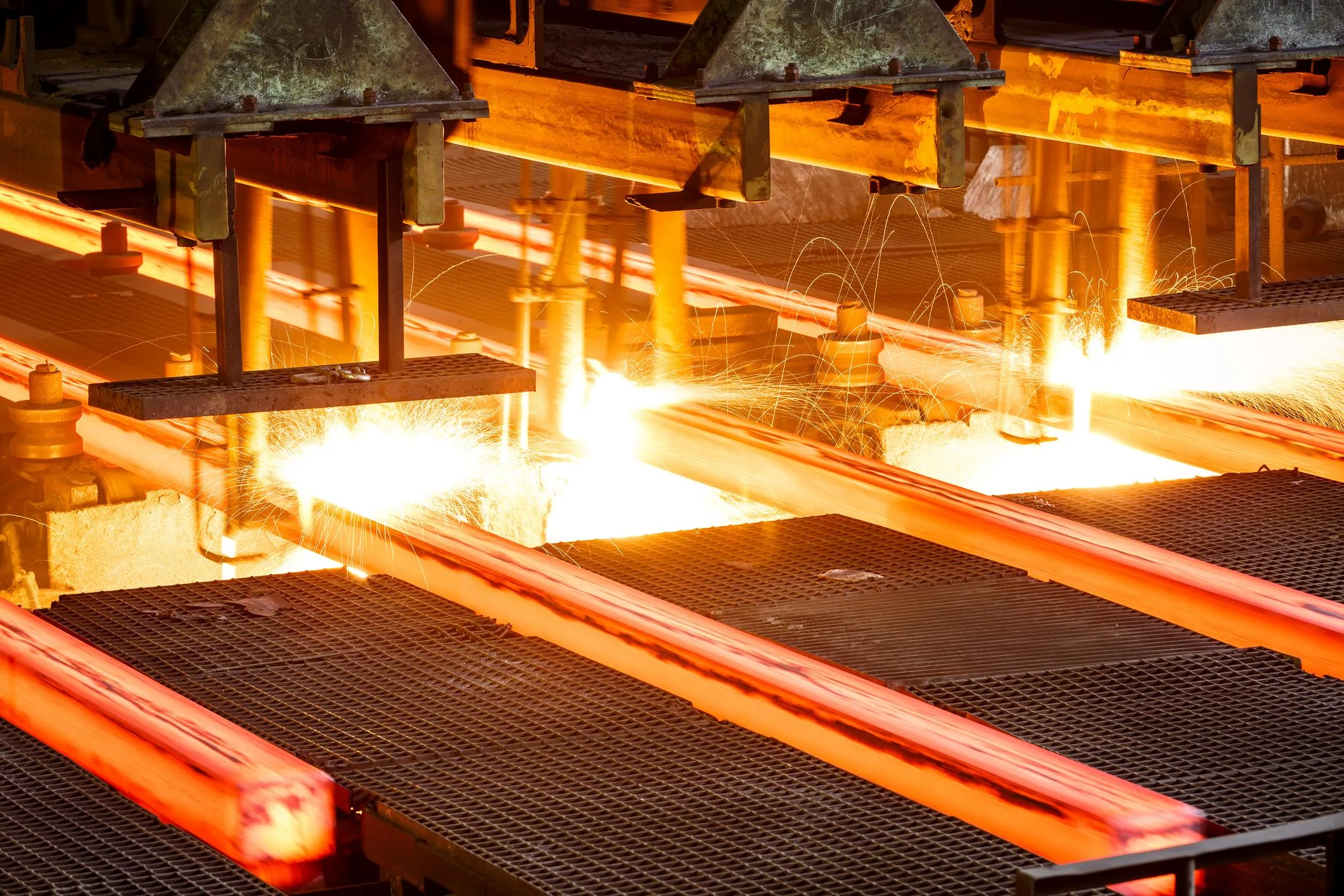
In 2017, the global steel industry experienced a sharp rise in prices, causing ripples across various sectors that rely heavily on steel, such as construction, manufacturing, and automotive. The price surge wasn’t a random occurrence; it was the result of several interconnected global factors that pushed prices upward. Understanding what drove steel prices higher in 2017 is crucial for anyone looking to navigate the complex dynamics of the steel market.
1. Increased Global Demand
One of the most significant factors contributing to the rise in steel prices in 2017 was a surge in global demand. Several key sectors experienced growth, increasing the need for steel in both developed and emerging markets.
- Construction Boom: Many countries, particularly in Asia and the Middle East, embarked on large-scale infrastructure projects. This demand for steel in the construction of bridges, roads, airports, and residential buildings placed upward pressure on prices.
- Manufacturing and Automotive Growth: Both the manufacturing and automotive sectors experienced robust growth, especially in countries like China, India, and the U.S. Steel is a critical input in the production of vehicles, machinery, and consumer goods, so the demand spike in these industries helped fuel the price increase.
2. Supply Constraints
While demand for steel increased, there were significant constraints on supply, particularly from major producing countries. This supply-demand imbalance created the perfect storm for a price surge.
- China’s Production Cuts: China, the world’s largest steel producer, implemented several production cuts in 2017 as part of its efforts to reduce pollution and improve air quality. The government’s crackdown on environmentally harmful practices led to the closure of several steel mills, resulting in reduced supply.
- Capacity Reduction Programs: Beyond China, global efforts to curb overproduction in the steel industry, especially in Europe, contributed to a tighter supply market. Many countries initiated capacity reduction programs to address the issue of excess steel supply, further reducing available volumes in the global market.
3. Raw Material Price Increases
Steel production relies heavily on key raw materials, such as iron ore and coking coal. The price of these raw materials saw significant increases in 2017, driving up the cost of steel production.
- Iron Ore Prices: Iron ore, a critical component in steelmaking, saw its prices rise sharply in 2017. This was driven by both supply constraints and increased demand from countries like China. As the cost of iron ore went up, steel manufacturers were forced to pass on these increased costs to consumers, driving up steel prices.
- Coking Coal Spike: Another essential raw material, coking coal, also experienced a price surge. A series of supply disruptions in major coal-exporting countries, including Australia, reduced the availability of coking coal in the global market, leading to higher prices. This added pressure on steel producers and further contributed to the rise in steel prices.
4. Geopolitical Tensions and Trade Policies
Global political factors also played a significant role in the steel price surge in 2017. Trade policies, tariffs, and protectionist measures by various governments impacted the steel market in several ways.
- U.S. Trade Tariffs: In 2017, the U.S. government initiated investigations under Section 232 of the Trade Expansion Act to determine whether steel imports posed a threat to national security. While tariffs on steel imports weren’t imposed until 2018, the anticipation of trade restrictions contributed to market uncertainty and led to speculative price increases.
- Brexit Uncertainty: The United Kingdom’s decision to leave the European Union, or Brexit, created uncertainty in global markets, including the steel industry. Concerns over potential changes to trade agreements and market access added pressure to the pricing environment, as businesses sought to hedge against potential supply chain disruptions.
5. Environmental Regulations and Policies
Another key factor that influenced the rise in steel prices in 2017 was the increasing emphasis on environmental sustainability. Countries around the world were implementing stricter environmental regulations, which had a direct impact on steel production.
- China’s Environmental Crackdown: As previously mentioned, China’s aggressive stance on reducing pollution led to widespread steel production cuts. This not only impacted global supply but also increased production costs for steelmakers who were forced to adopt cleaner technologies and practices, ultimately pushing prices higher.
- Global Push for Cleaner Production: Outside of China, other steel-producing nations also faced growing regulatory pressure to adopt cleaner production methods. Compliance with these regulations often required significant capital investment, which increased operational costs and contributed to the rise in steel prices.
6. Currency Fluctuations
Currency fluctuations, particularly the weakening of the U.S. dollar, had an indirect but important role in the rise of steel prices in 2017. Since steel is priced globally in U.S. dollars, a weaker dollar made steel more expensive for buyers using other currencies.
- U.S. Dollar Decline: The U.S. dollar experienced a decline against several major currencies in 2017. For steel buyers outside the U.S., this made the purchase of steel more expensive, creating additional upward pressure on prices.
Conclusion: Understanding the 2017 Steel Price Surge
The rise in steel prices in 2017 was the result of a combination of global demand increases, supply constraints, higher raw material costs, geopolitical factors, and stricter environmental regulations. These factors created a perfect storm that pushed steel prices to their highest levels in years. For businesses in industries reliant on steel, this price surge underscored the importance of understanding global market dynamics and preparing for future fluctuations.
As the steel market continues to evolve, staying informed about the factors driving price changes is crucial for navigating the challenges and opportunities within the industry.