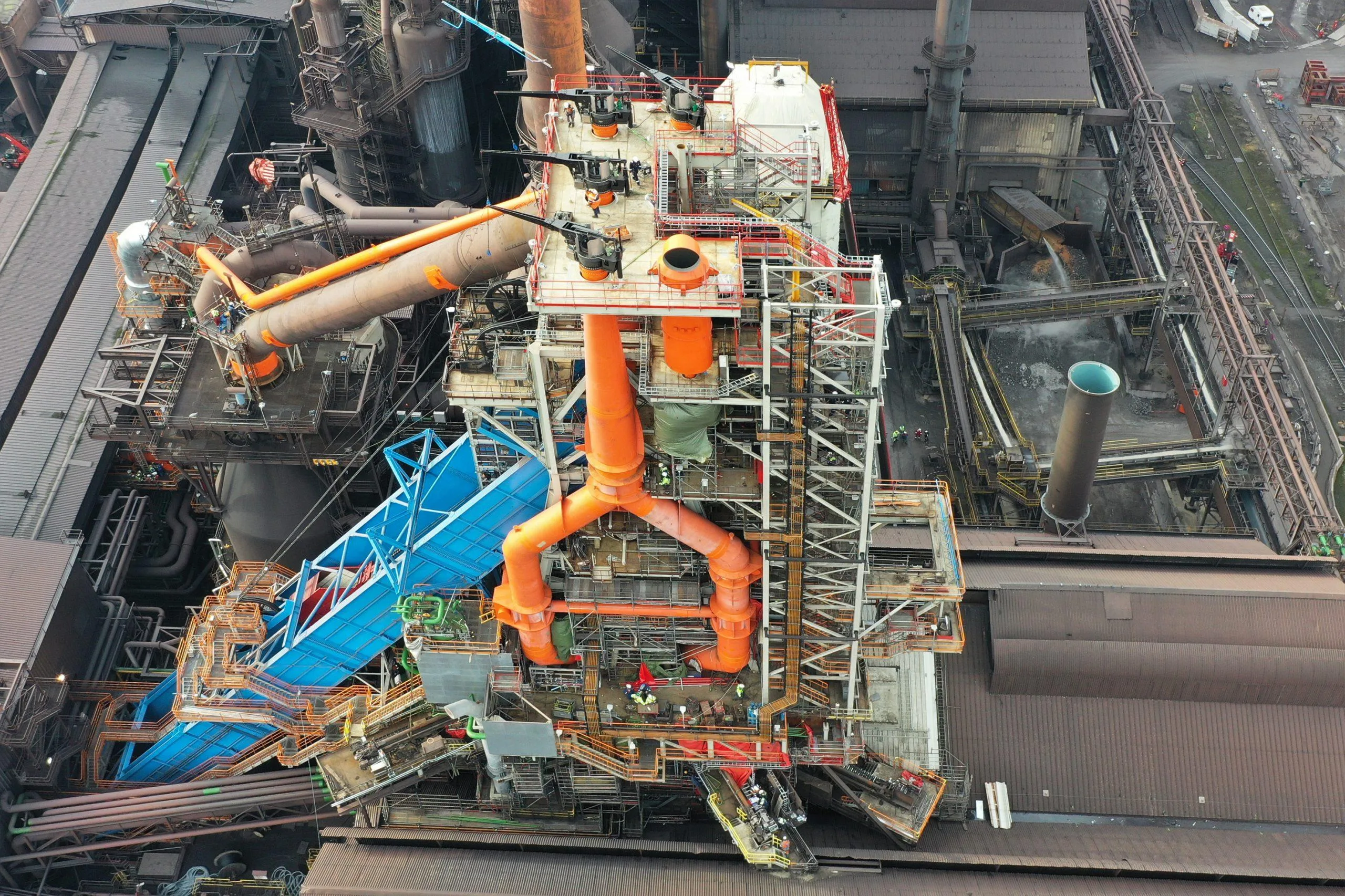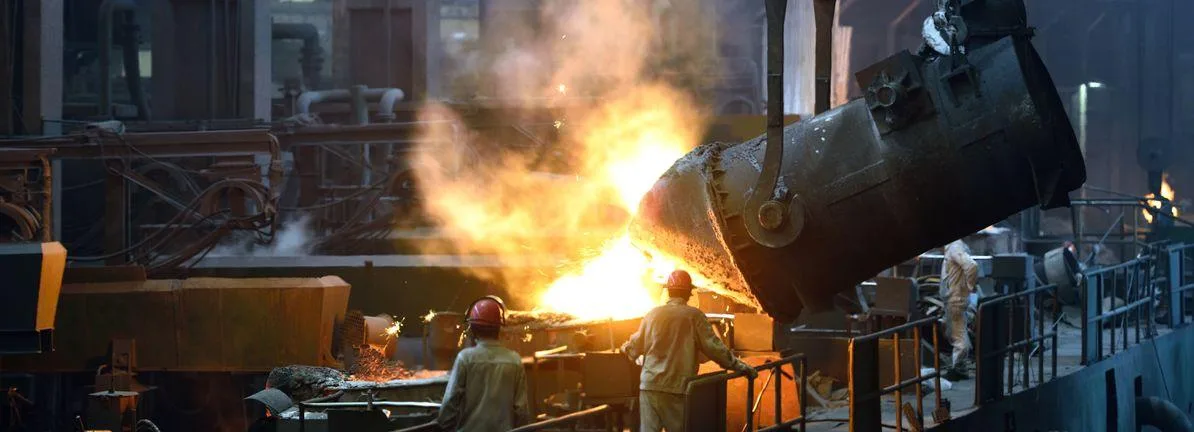

Steel companies in developing countries face a unique set of challenges that can significantly impact their growth and profitability. These challenges often stem from infrastructural deficiencies, regulatory issues, market competition, and economic instability. Understanding these challenges is crucial for stakeholders looking to invest in or support the steel industry in these regions. This article delves into the primary obstacles steel companies encounter in developing countries and offers insights into potential strategies for overcoming these hurdles.
1. Infrastructure and Logistics
a. Inadequate Infrastructure
Challenges
- Transport and Logistics: Many developing countries struggle with inadequate transport networks, including poor roads, limited rail connections, and underdeveloped ports. These limitations increase the cost and time associated with transporting raw materials and finished products.
- Energy Supply: Reliable and affordable energy is critical for steel production. In developing countries, frequent power outages and inconsistent energy supply can disrupt operations and increase costs.
b. Strategic Solutions
- Invest in Infrastructure: Collaborate with governments and private sector partners to invest in infrastructure improvements. Public-private partnerships can play a crucial role in enhancing transport and energy systems.
- Local Sourcing: Develop local supply chains and sourcing strategies to minimize logistical challenges and reduce dependency on external suppliers.
2. Regulatory and Compliance Issues
a. Regulatory Framework
Challenges
- Complex Regulations: Developing countries often have complex and evolving regulatory environments. Steel companies may face challenges navigating these regulations, which can impact compliance and operational efficiency.
- Environmental Regulations: Increasing emphasis on environmental sustainability requires steel companies to comply with stricter environmental standards, which can be challenging in regions with limited regulatory frameworks.
b. Strategic Solutions
- Engage with Policymakers: Actively engage with local and national policymakers to advocate for clear and stable regulatory environments. Participate in industry associations to stay informed about regulatory changes.
- Invest in Compliance: Implement robust environmental management systems and invest in technology to meet environmental regulations. Proactively addressing regulatory requirements can mitigate risks and improve operational efficiency.
3. Market Competition and Pricing Pressure
a. Intense Market Competition
Challenges
- Local and Global Competitors: Steel companies in developing countries face competition from both local producers and international players. Price competition can be intense, particularly in markets with excess capacity or low demand.
- Price Volatility: Steel prices are subject to fluctuations due to global market conditions, impacting profit margins and financial stability.
b. Strategic Solutions
- Differentiate Products: Focus on product differentiation and value-added services to stand out in competitive markets. High-quality products and specialized steel grades can help capture niche markets.
- Optimize Cost Structure: Implement cost-saving measures and improve operational efficiency to remain competitive. Invest in technology and process improvements to enhance productivity and reduce production costs.
4. Economic Instability and Investment Risks
a. Economic Challenges
Challenges
- Currency Fluctuations: Developing countries often experience significant currency volatility, which can impact the cost of imported raw materials and affect financial stability.
- Inflation and Interest Rates: High inflation and fluctuating interest rates can increase borrowing costs and reduce investment attractiveness.
b. Strategic Solutions
- Hedge Against Risks: Use financial instruments and hedging strategies to manage currency and commodity price risks. Establishing long-term contracts and securing fixed-rate financing can provide stability.
- Diversify Investments: Diversify investments across different markets and sectors to mitigate the impact of economic instability. Explore opportunities in emerging markets with stable growth prospects.
5. Skilled Workforce and Technology
a. Workforce Challenges
Challenges
- Skill Shortages: Developing countries may face shortages of skilled labor, which can impact productivity and operational efficiency. Training and development programs may be limited or underdeveloped.
- Technology Adoption: Limited access to advanced technology and innovation can hinder production efficiency and competitiveness.
b. Strategic Solutions
- Invest in Training: Develop and implement workforce training programs to build a skilled labor pool. Partner with educational institutions and industry bodies to enhance technical skills and knowledge.
- Adopt Technology: Invest in technology and automation to improve production processes and efficiency. Collaborate with technology providers to access the latest innovations and best practices.
6. Social and Environmental Responsibility
a. Social Impact
Challenges
- Community Relations: Steel companies may face challenges related to community relations, including issues related to labor practices and environmental impacts. Poor social responsibility can affect company reputation and operational stability.
b. Strategic Solutions
- Enhance CSR Programs: Develop and implement comprehensive corporate social responsibility (CSR) programs to address community concerns and improve relationships. Focus on sustainable practices and community engagement initiatives.
- Environmental Stewardship: Invest in environmentally friendly technologies and practices to minimize the environmental impact of steel production. Engage with stakeholders to demonstrate commitment to sustainability.
Conclusion
Steel companies in developing countries face a range of challenges that impact their ability to grow and succeed in competitive markets. By addressing infrastructure and logistics issues, navigating regulatory complexities, managing market competition, mitigating economic risks, and investing in workforce and technology, steel companies can overcome obstacles and achieve long-term success. Proactive strategies and collaborative efforts with stakeholders can help navigate these challenges and unlock the potential of the steel industry in developing regions.