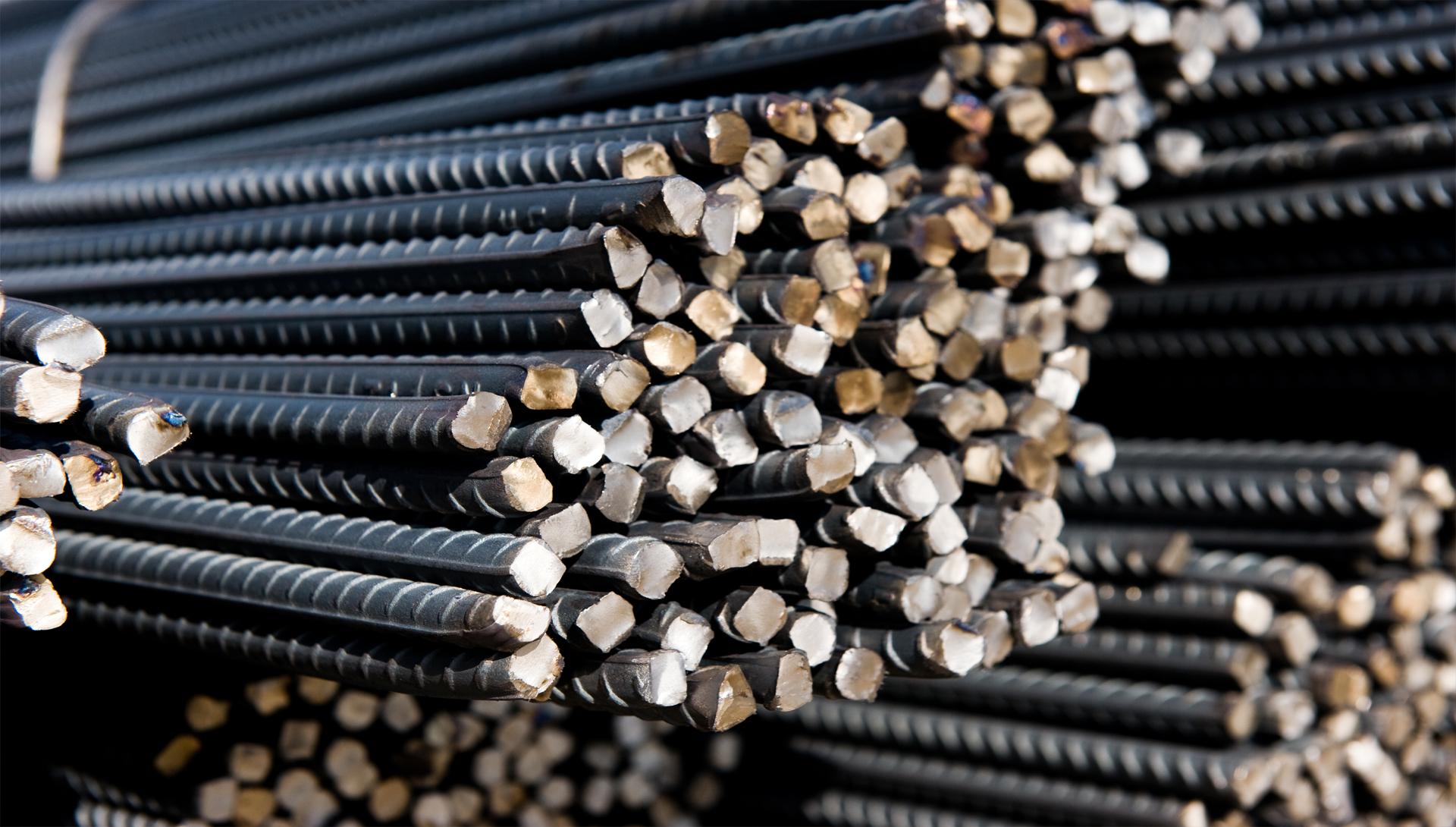

Diversification is a crucial strategy in investment management, aimed at spreading risk and enhancing potential returns. Incorporating steel stocks into your investment portfolio can provide exposure to a sector with substantial growth potential and stability. This guide explores effective strategies for diversifying with steel stocks, helping you build a balanced and resilient portfolio.
1. Understanding the Role of Steel Stocks in Diversification
1.1. Sector Characteristics
- Cyclical Nature: The steel industry is cyclical, closely tied to economic growth and infrastructure development. This cyclical nature can offer growth opportunities during economic expansions.
- Global Demand: Steel is essential in construction, automotive, and manufacturing, making it a staple in global economic activity.
1.2. Benefits of Steel Stocks
- Income Potential: Many steel companies offer attractive dividends, providing a steady income stream.
- Growth Opportunities: As infrastructure and urbanization expand, steel stocks can benefit from increased demand and rising prices.
2. Strategies for Diversifying with Steel Stocks
2.1. Selecting Different Steel Sub-Sectors
- Major Producers: Invest in leading global steel manufacturers, such as ArcelorMittal and Nucor Corporation, for broad industry exposure.
- Specialized Steel Companies: Include companies that produce niche steel products, such as stainless steel or high-strength alloys, to capture specific market segments.
2.2. Geographic Diversification
- Global Exposure: Diversify across different geographic regions to mitigate regional economic risks. Consider investing in companies from North America, Europe, Asia, and emerging markets.
- Emerging Markets: Explore opportunities in emerging markets where infrastructure growth is driving steel demand, such as India and Southeast Asia.
2.3. Balancing Large and Small Cap Stocks
- Large-Cap Stocks: Include established steel companies with a large market capitalization for stability and established performance records.
- Small-Cap Stocks: Add smaller steel companies with high growth potential for additional diversification and potential upside.
2.4. Diversifying Across Investment Vehicles
- Direct Stock Investments: Purchase shares of individual steel companies to gain targeted exposure.
- Exchange-Traded Funds (ETFs): Invest in ETFs that focus on the steel sector or industrials for broader exposure to multiple steel stocks.
3. Evaluating and Selecting Steel Stocks
3.1. Financial Health and Performance
- Revenue and Earnings Growth: Look for companies with consistent revenue and earnings growth.
- Debt Levels: Assess the company’s debt levels and financial stability to ensure long-term viability.
3.2. Industry Position and Competitive Advantage
- Market Share: Choose companies with significant market share and competitive advantages in the steel industry.
- Operational Efficiency: Evaluate the company’s operational efficiency and cost management strategies.
3.3. Innovation and Sustainability
- Technological Advancements: Invest in companies that are leading in technological innovations and process improvements.
- Sustainability Practices: Consider companies committed to sustainable practices and reducing their environmental footprint.
4. Managing Risk and Monitoring Your Investments
4.1. Risk Management Strategies
- Diversification: Ensure your overall portfolio is diversified across different sectors and asset classes to mitigate risks associated with steel stocks.
- Regular Review: Monitor your steel stock investments regularly to assess performance and adjust your strategy as needed.
4.2. Economic and Market Factors
- Market Conditions: Stay informed about economic conditions, industry trends, and global events that can impact steel stock performance.
- Sector-Specific Risks: Be aware of sector-specific risks such as fluctuations in steel prices, regulatory changes, and trade policies.
4.3. Long-Term Perspective
- Investment Horizon: Maintain a long-term investment horizon to ride out short-term volatility and benefit from long-term growth trends in the steel industry.
- Rebalancing: Periodically rebalance your portfolio to ensure it aligns with your investment goals and risk tolerance.
Conclusion
Diversifying with steel stocks can enhance your investment portfolio by adding exposure to a crucial sector with growth potential and stability. By strategically selecting different steel sub-sectors, balancing large and small cap stocks, and incorporating geographic and investment vehicle diversification, you can build a well-rounded portfolio. Regularly evaluating your investments, managing risks, and maintaining a long-term perspective will help you achieve a resilient and profitable investment strategy.