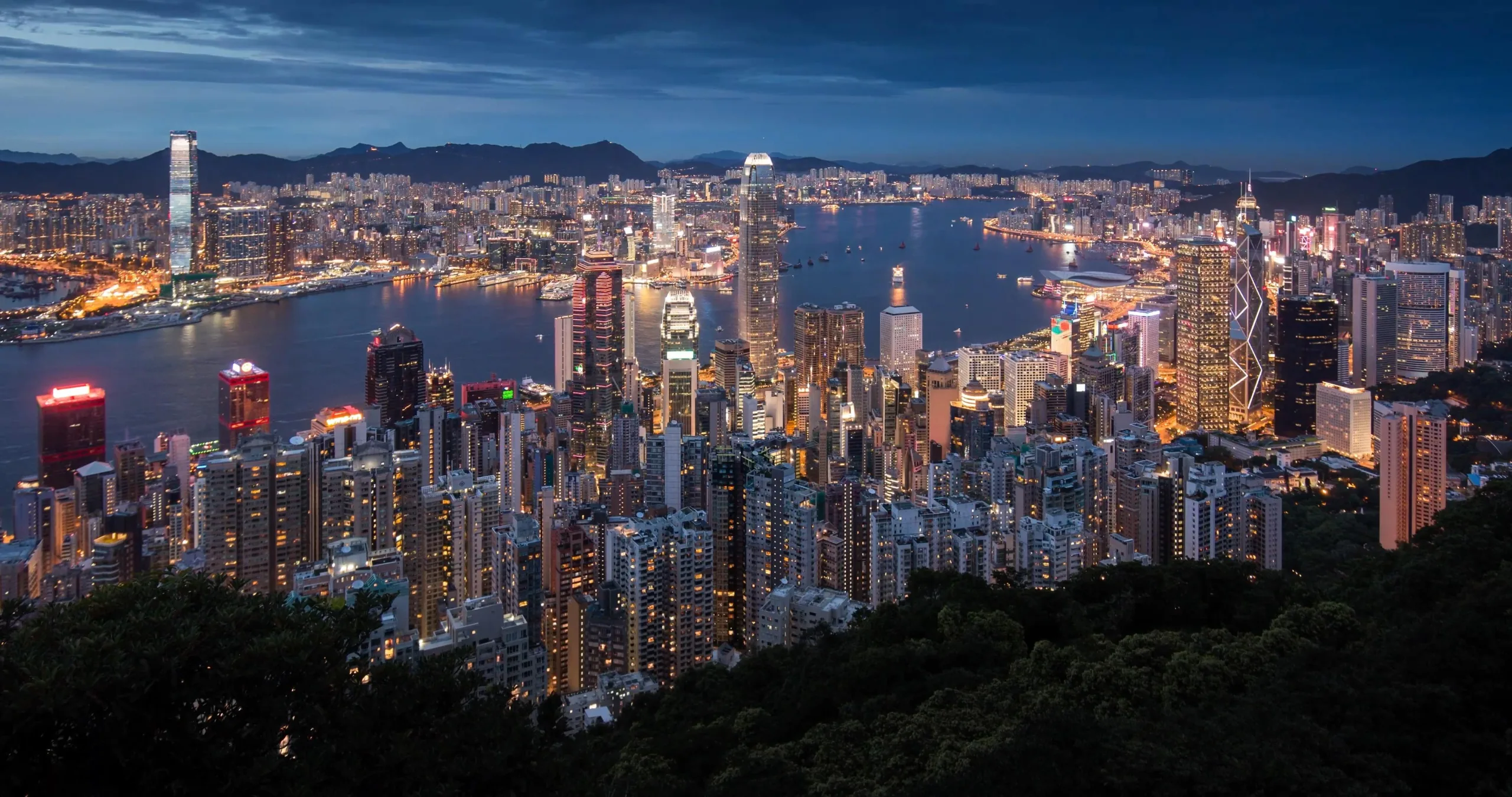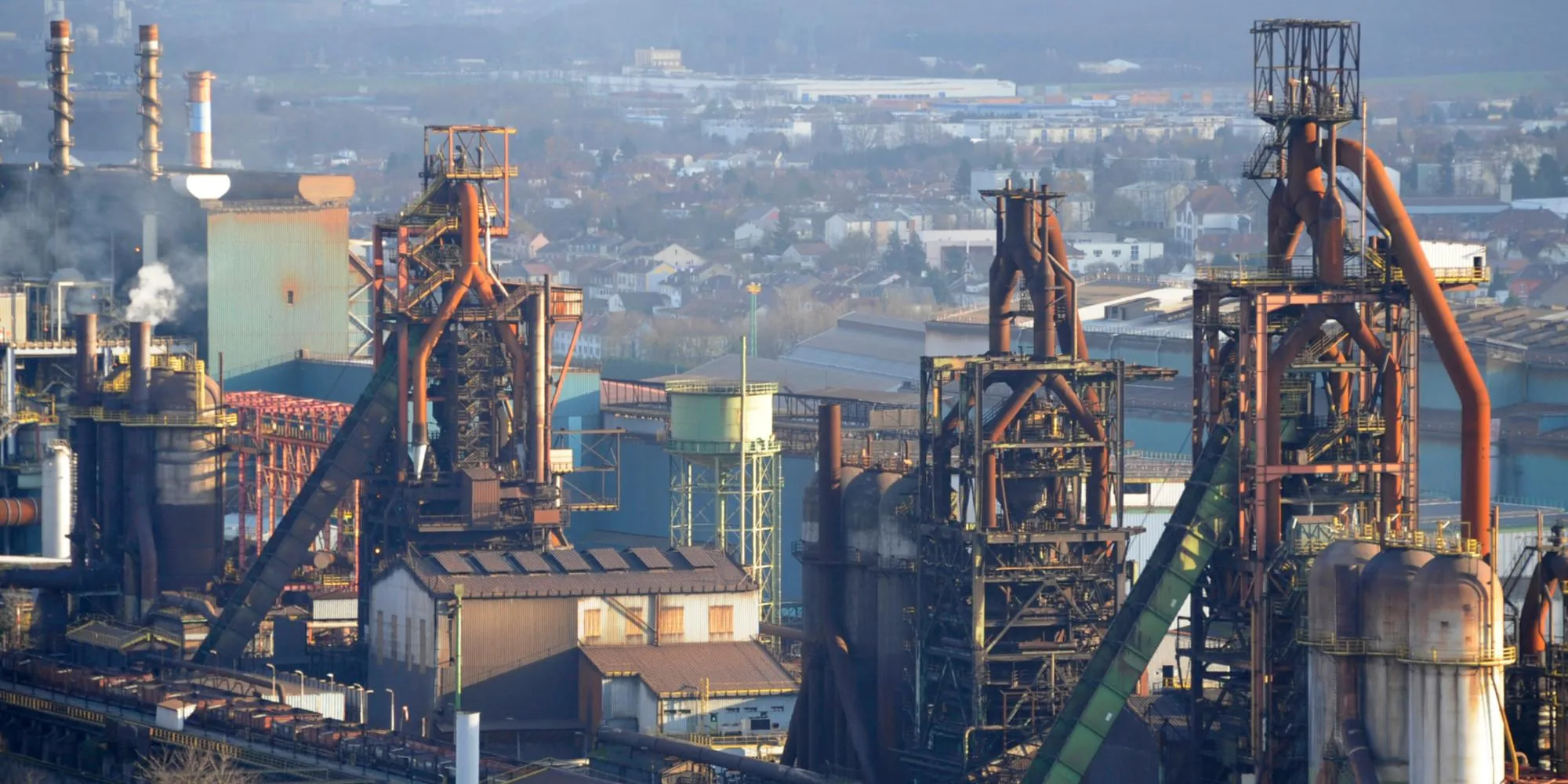
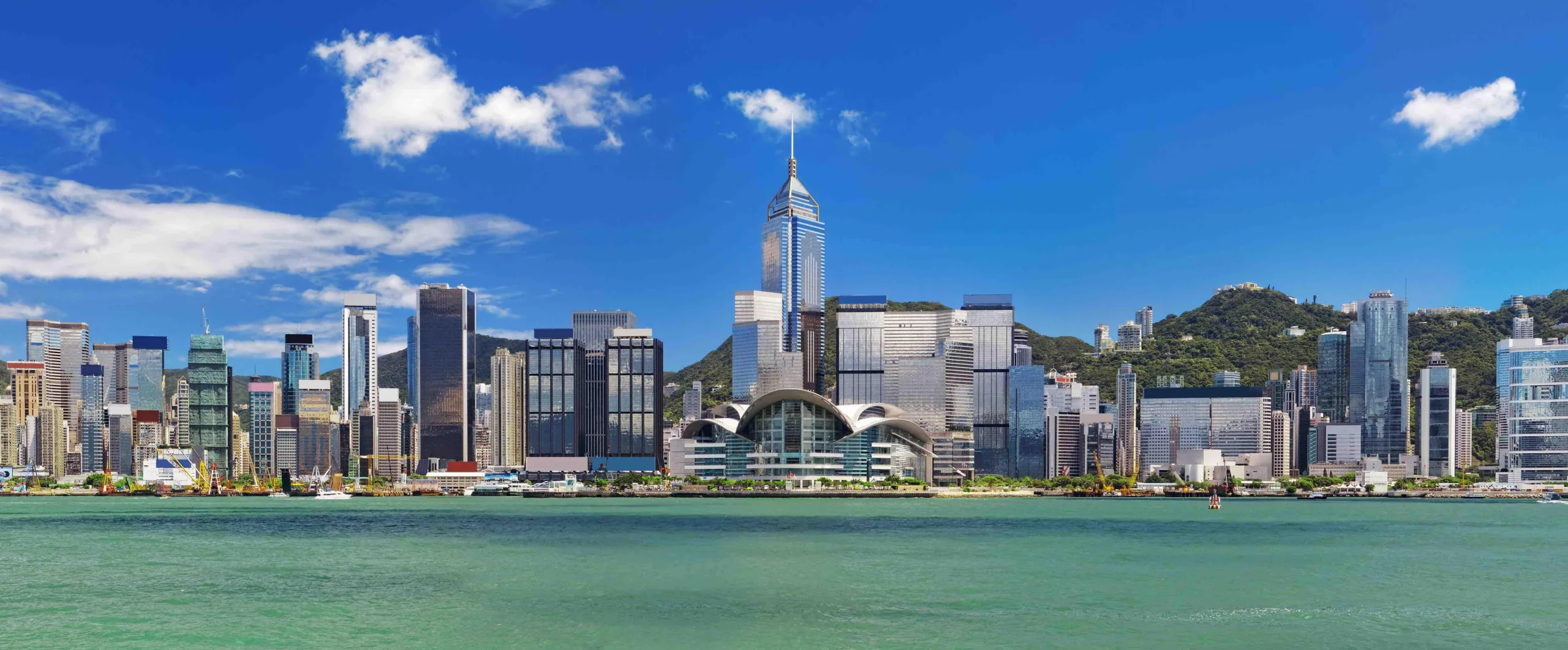
In an interconnected world, Hong Kong’s steel market is deeply influenced by global steel production dynamics. As a city that imports the majority of its steel for infrastructure, construction, and manufacturing, Hong Kong’s market is vulnerable to shifts in global production trends, pricing, and supply chain disruptions. In 2024, as the global steel industry navigates challenges like demand fluctuations, sustainability goals, and geopolitical factors, Hong Kong’s market must adapt to these external influences.
1. Supply and Demand Dynamics: A Global Driver
The balance of supply and demand on a global scale plays a pivotal role in shaping Hong Kong’s steel market. As global steel producers, particularly in China, Japan, and South Korea, adjust their output based on worldwide demand, Hong Kong’s ability to source steel efficiently and at competitive prices is directly impacted.
When global production increases, driven by high demand from construction booms in emerging markets or massive infrastructure projects in developed countries, Hong Kong benefits from greater availability and lower prices. Conversely, when global demand drops or supply tightens, prices rise, increasing costs for local industries.
For Hong Kong’s construction sector, which heavily relies on imported steel for skyscrapers, bridges, and transport infrastructure, changes in global production have a direct impact on project costs and timelines. A rise in global demand can limit the availability of key steel products, causing delays in delivery and forcing local buyers to pay premium prices.
2. Price Volatility in the Global Steel Market
One of the most immediate impacts of global steel production on Hong Kong’s market is price volatility. Global steel prices fluctuate based on a wide range of factors, including production levels, raw material availability (such as iron ore and coking coal), and geopolitical tensions affecting trade. As Hong Kong imports nearly all of its steel, local buyers must deal with the ripple effects of these price swings.
For instance, in recent years, disruptions in the supply of iron ore from major producers like Brazil and Australia have led to spikes in global steel prices. Hong Kong’s construction and manufacturing sectors, both of which are price-sensitive, face higher costs when such supply shortages occur.
In addition, changes in trade policies, such as tariffs or export restrictions imposed by major steel-producing countries, can further influence prices, making it essential for Hong Kong’s steel buyers to monitor global market trends closely.
3. Influence of China’s Steel Production
China, as the world’s largest steel producer, has an outsized influence on Hong Kong’s steel market. China’s steel output decisions, often driven by domestic economic policies, have a ripple effect across Asia, including in Hong Kong. When China reduces steel production to curb emissions or to realign its economy, it tightens regional supply and causes prices to rise.
On the other hand, when China ramps up production to support its infrastructure or manufacturing sectors, the abundance of steel can drive prices down. Hong Kong, with its proximity to mainland China, benefits from direct access to Chinese steel exports, but it must also manage the volatility caused by fluctuations in China’s production levels.
4. Sustainability and ESG Initiatives Affecting Global Supply
As environmental, social, and governance (ESG) concerns gain prominence, global steel production is increasingly being shaped by sustainability goals. Major steel producers worldwide are implementing “green steel” initiatives to reduce carbon emissions and improve environmental performance. However, these initiatives often come with increased production costs due to the need for cleaner technologies, renewable energy, and improved waste management systems.
For Hong Kong, the global push for sustainability could mean higher steel prices as producers pass on the costs of adopting greener practices. Additionally, the growing emphasis on ESG compliance in global trade could limit access to steel produced using non-sustainable methods, forcing local companies to source eco-friendly alternatives, which may come at a premium.
However, this shift toward sustainability also presents opportunities for Hong Kong’s market, especially as construction firms increasingly seek green-certified materials to meet local and international building standards.
5. Impact of Geopolitical Tensions
Geopolitical tensions between steel-producing nations, particularly the trade disputes involving China, the U.S., and the European Union, have far-reaching effects on global steel production and exports. Trade sanctions, tariffs, and export restrictions imposed on major steel exporters can lead to supply shortages and price hikes in global markets, including Hong Kong.
For example, the U.S.-China trade war significantly impacted the global steel market, with tariffs imposed on Chinese steel exports leading to disruptions in supply chains. Hong Kong, reliant on imports, felt the consequences in the form of higher prices and delayed shipments. As geopolitical tensions continue to shape global trade policies, Hong Kong’s steel industry must remain agile to navigate these uncertainties.
6. Opportunities for Diversification
While global steel production trends present challenges, they also offer opportunities for Hong Kong’s steel market to diversify its sourcing. Traditionally reliant on imports from China, Hong Kong can explore alternative suppliers in countries like South Korea, Japan, and India. Diversifying supply sources can help mitigate the impact of fluctuations in Chinese steel production and provide local industries with more stable pricing options.
Additionally, Hong Kong’s strategic location as a major trading hub allows it to leverage its logistical capabilities, ensuring smooth imports of steel from various global markets despite any short-term disruptions.
Conclusion:
Global steel production has a significant impact on Hong Kong’s steel market, influencing everything from supply availability and pricing to the adoption of sustainable practices. As Hong Kong remains deeply connected to the global steel supply chain, fluctuations in international production, geopolitical tensions, and shifts toward sustainability all shape the local market’s performance. For Hong Kong’s construction, manufacturing, and infrastructure sectors, staying attuned to these global trends is essential to managing costs and securing a steady supply of steel in 2024 and beyond.