As the steel industry seeks to reduce its carbon footprint and move towards more sustainable practices, Hydrogen-Based Direct Reduction of Iron (H2-DRI) has emerged as a promising technology for producing green steel. This article delves into the environmental implications of H2-DRI technology, exploring its benefits, challenges, and overall impact on sustainability within the steel sector.
1. What is H2-DRI Technology?
H2-DRI, or Hydrogen-Based Direct Reduction of Iron, is an innovative method for producing steel with significantly lower carbon emissions compared to traditional processes.
Key Features:
- Hydrogen as a Reductant: Unlike conventional steel production methods that use carbon-based reductants, H2-DRI utilizes hydrogen to reduce iron ore into direct reduced iron (DRI), which is then used to make steel.
- Low Carbon Footprint: By replacing carbon with hydrogen, H2-DRI reduces or eliminates the carbon dioxide (CO2) emissions typically associated with steel production.
Process Overview:
- Hydrogen Production: Hydrogen is produced using renewable energy sources or through green hydrogen technologies.
- Iron Ore Reduction: Hydrogen is used to reduce iron ore (Fe2O3 or Fe3O4) to direct reduced iron (DRI) in a direct reduction reactor.
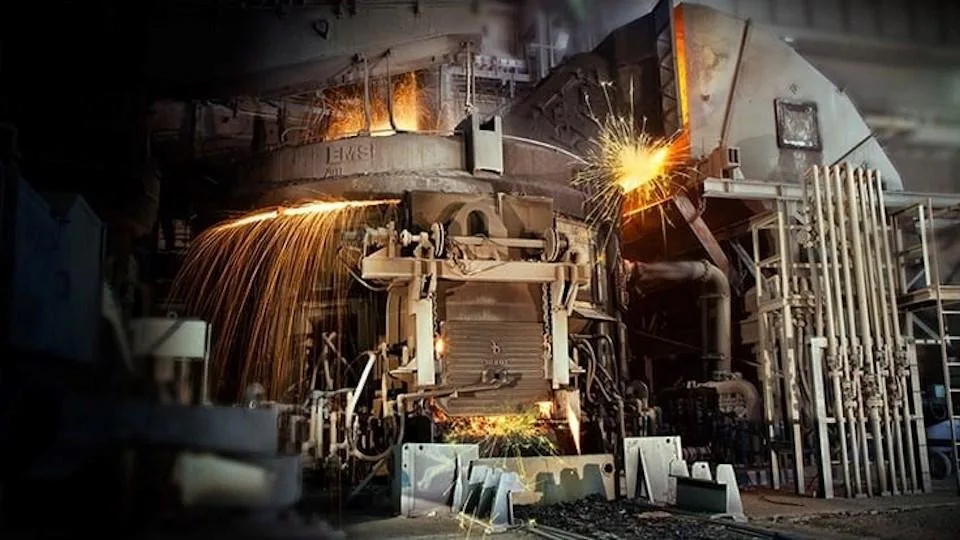
- Steel Production: The DRI is then melted in an electric arc furnace (EAF) to produce steel.
2. Environmental Benefits of H2-DRI
H2-DRI technology offers several environmental benefits that contribute to the sustainability of the steel industry.
Key Benefits:
- Significant Reduction in CO2 Emissions: The use of hydrogen as a reductant instead of carbon significantly lowers CO2 emissions. The process can potentially achieve near-zero emissions, depending on the source of hydrogen.
- Reduced Air Pollutants: H2-DRI technology can reduce other harmful pollutants, such as sulfur dioxide (SO2) and nitrogen oxides (NOx), compared to traditional blast furnace methods.
- Energy Efficiency: The use of hydrogen and the integration of renewable energy sources can enhance overall energy efficiency in the steel production process.
Impacts:
- Lower Carbon Footprint: Adopting H2-DRI can lead to a substantial reduction in the steel industry’s carbon footprint, contributing to global climate goals and reducing the environmental impact of steel production.
- Sustainability Leadership: Embracing H2-DRI technology positions steel producers as leaders in sustainability, aligning with corporate social responsibility goals and regulatory requirements.
3. Challenges and Considerations
While H2-DRI offers significant environmental benefits, there are challenges and considerations that must be addressed.
Key Challenges:
- Hydrogen Production Costs: Producing green hydrogen, especially using renewable energy sources, can be expensive. The high cost of hydrogen production can impact the overall economics of H2-DRI technology.
- Infrastructure Requirements: Implementing H2-DRI technology requires significant infrastructure investments, including hydrogen production and distribution systems, as well as specialized direct reduction reactors.
- Technical Maturity: H2-DRI technology is still evolving, and further research and development are needed to optimize the process, improve efficiency, and scale up production.
Considerations:
- Integration with Existing Facilities: Transitioning to H2-DRI may involve retrofitting or replacing existing steel production facilities, which requires careful planning and investment.
- Supply Chain Impacts: The adoption of H2-DRI technology may impact the supply chain for steel production, including changes in raw material sourcing and logistics.
4. Broader Environmental Implications
The broader environmental implications of H2-DRI extend beyond the direct benefits and challenges of the technology.
Key Implications:
- Contribution to Climate Goals: The widespread adoption of H2-DRI technology can significantly contribute to global climate goals by reducing greenhouse gas emissions from the steel industry.
- Encouragement of Green Technologies: The development and implementation of H2-DRI technology can drive innovation and encourage further advancements in green technologies across various industries.
- Economic and Social Impact: Transitioning to more sustainable steel production methods can create new economic opportunities and support the development of green jobs and industries.
Conclusion
Hydrogen-Based Direct Reduction of Iron (H2-DRI) represents a significant advancement in the quest for greener steel production. By leveraging hydrogen as a reductant and reducing carbon emissions, H2-DRI offers a promising pathway towards more sustainable steelmaking. However, addressing the associated challenges and considerations is crucial for realizing its full potential. As the steel industry continues to evolve, H2-DRI technology stands at the forefront of efforts to reduce environmental impact and promote sustainability.