Introduction
Steel production is a cornerstone of modern industry but also a significant source of environmental pollution. This article delves into the environmental impact of steel production, examining the challenges and exploring the innovative mitigation strategies being adopted to foster a more sustainable industry.
1. Environmental Impact of Steel Production
- Carbon Emissions
- CO2 Emissions: Steel production is a major contributor to global carbon dioxide (CO2) emissions, accounting for approximately 7-9% of worldwide emissions. The blast furnace process is particularly carbon-intensive.
- Other Greenhouse Gases: Alongside CO2, steel production emits other greenhouse gases (GHGs) such as methane (CH4) and nitrous oxide (N2O), further exacerbating climate change.
- Energy Consumption
- High Energy Demand: The steelmaking process is energy-intensive, relying heavily on fossil fuels, primarily coal, which leads to substantial energy consumption and associated emissions.
- Inefficiencies: Traditional steel production methods are often inefficient, wasting energy that could be conserved with modern technologies.
- Air Pollution
- Particulate Matter: Steel plants release particulate matter (PM) into the air, contributing to respiratory problems and other health issues in nearby communities.
- Toxic Emissions: The process emits various toxic substances, including sulfur dioxide (SO2) and nitrogen oxides (NOx), which contribute to acid rain and smog.
- Water Pollution
- Effluent Discharge: Steel manufacturing involves the discharge of wastewater containing hazardous chemicals and heavy metals, which can contaminate local water supplies.
- Thermal Pollution: The release of heated water from steel plants can disrupt aquatic ecosystems, affecting biodiversity.
- Resource Depletion
- Raw Materials: The extraction and processing of raw materials, such as iron ore and coal, deplete natural resources and cause environmental degradation.
2. Mitigation Strategies in Steel Production
- Adoption of Green Technologies
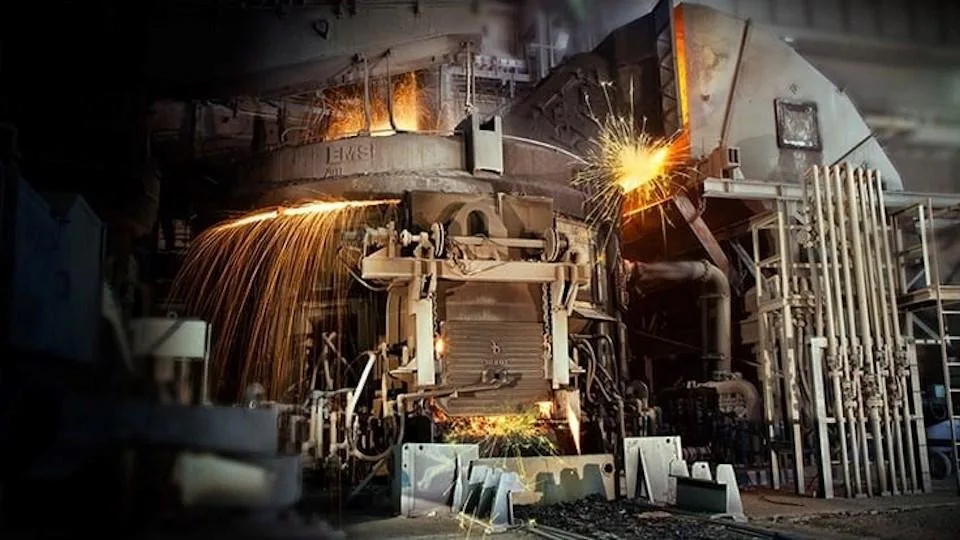
- Electric Arc Furnace (EAF): Switching from traditional blast furnaces to EAFs, which use scrap steel and renewable energy, significantly reduces CO2 emissions.
- Hydrogen-Based Steelmaking: Developing and implementing hydrogen-based reduction processes (e.g., using green hydrogen) can drastically cut carbon emissions.
- Energy Efficiency Improvements
- Waste Heat Recovery: Implementing waste heat recovery systems to capture and reuse heat energy from the steelmaking process reduces overall energy consumption.
- Energy Management Systems: Advanced energy management systems can optimize energy use, enhancing efficiency and reducing waste.
- Carbon Capture and Storage (CCS)
- Capture Technologies: Installing carbon capture technologies at steel plants can trap CO2 emissions before they enter the atmosphere.
- Storage Solutions: Safe storage of captured carbon in geological formations or its use in industrial applications can mitigate environmental impact.
- Circular Economy Practices
- Recycling and Reuse: Promoting the recycling of steel scrap and the reuse of by-products in the production process reduces the need for virgin materials and minimizes waste.
- Material Substitution: Developing alternative materials and alloys with lower environmental impact can complement steel use in certain applications.
- Regulatory Compliance and Standards
- Environmental Regulations: Adhering to stringent environmental regulations and standards can ensure sustainable practices in steel production.
- Voluntary Initiatives: Industry-led initiatives, such as the World Steel Association’s Climate Action Program, promote best practices and sustainability commitments.
- Community and Stakeholder Engagement
- Transparency: Maintaining transparency with stakeholders about environmental impacts and mitigation efforts fosters trust and accountability.
- Collaborative Efforts: Engaging with local communities, governments, and environmental organizations can drive collective action towards sustainability.
3. Case Studies of Successful Mitigation
- ArcelorMittal’s Carbon Neutral Strategy
- Initiatives: ArcelorMittal aims to achieve carbon neutrality by 2050 through investments in low-carbon technologies, increased use of scrap, and renewable energy.
- Impact: These initiatives have already led to significant reductions in CO2 emissions, setting a benchmark for the industry.
- Tata Steel’s Sustainable Practices
- Green Energy Projects: Tata Steel has invested in solar and wind energy projects to power its plants, reducing reliance on fossil fuels.
- Resource Efficiency: The company’s efforts in water conservation and waste management have minimized its environmental footprint.
Conclusion
The steel industry’s environmental impact is profound, but with concerted efforts and innovative strategies, it is possible to mitigate these effects. By adopting green technologies, enhancing energy efficiency, and embracing circular economy practices, the industry can move towards a more sustainable future. Collaboration among industry stakeholders, regulatory bodies, and communities is crucial to drive this transformation and ensure the steel industry’s role in a sustainable global economy.