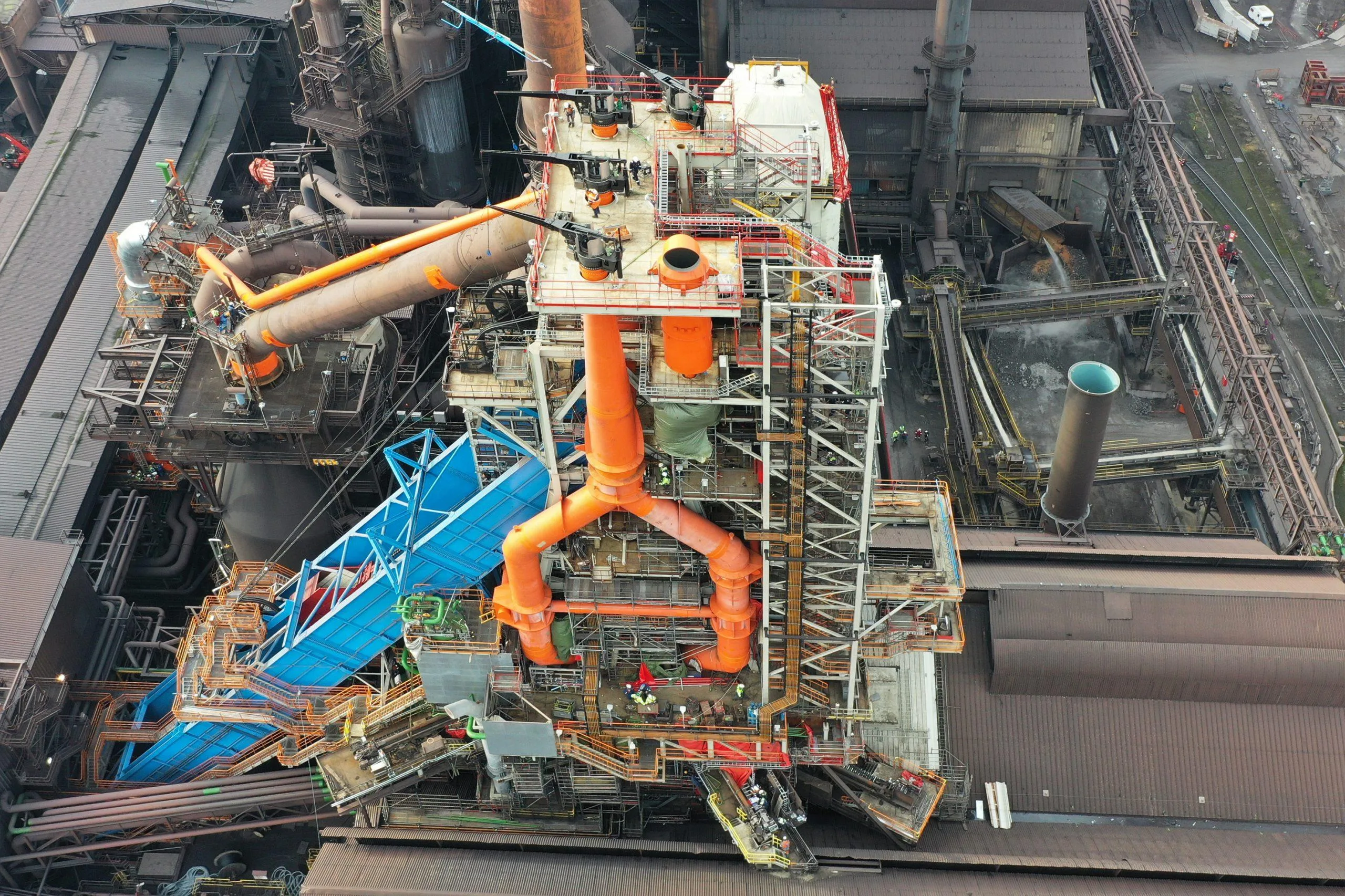
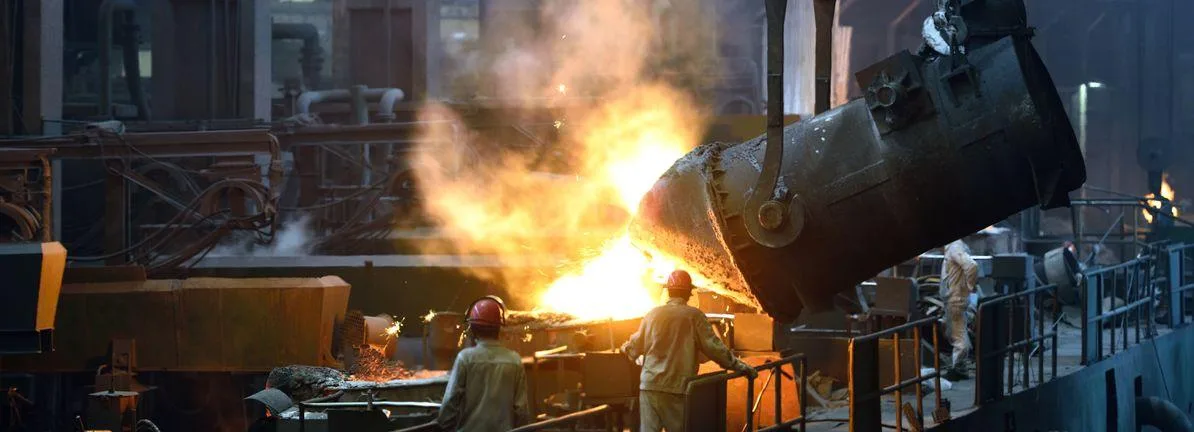
The Chinese iron market is a global powerhouse that significantly influences worldwide supply chains, pricing, and trade strategies. As we head into 2024, several key trends and market shifts are emerging. This year, industry experts expect substantial developments, including shifts in environmental policies, technological advances, and changing demand dynamics. Here’s an in-depth look at what to anticipate in China’s iron market in 2024 and how these trends are poised to affect the global market.
1. Strong Demand from Infrastructure Projects
One of the primary drivers of China’s iron market in 2024 is expected to be robust demand from infrastructure projects. China’s “New Infrastructure” initiative aims to improve technological and green infrastructure, which includes significant investments in sectors such as transportation, energy, and telecommunications. As a result, demand for iron is expected to remain high, fueling both domestic production and imports.
2. Expansion of Green Steel Production
Environmental concerns and regulations continue to shape China’s industrial policies. The government has set ambitious carbon reduction targets, aiming to peak emissions before 2030. Consequently, the Chinese iron industry is investing in green steel production, with a focus on reducing emissions during production. This shift includes cleaner energy sources, innovative iron processing technologies, and circular recycling systems. The result is anticipated to be a more sustainable iron production process that aligns with China’s “dual carbon” goals.
3. Increase in Iron Recycling
With mounting global pressure for sustainability, China’s iron industry has been increasingly focusing on recycling. The government has implemented policies encouraging recycled iron usage in various sectors, reducing reliance on raw iron ore extraction. This shift not only aids in reducing environmental impact but also helps China stabilize its iron prices and manage its dependency on iron ore imports. In 2024, iron recycling is expected to reach a record high, potentially impacting global demand for virgin iron ore.
4. Fluctuating Iron Ore Prices and Supply Chain Challenges
The volatility in iron ore prices will likely continue in 2024, influenced by factors like global inflation, supply disruptions, and evolving geopolitical conditions. China’s relationship with key iron ore exporters, such as Australia and Brazil, remains critical to stabilizing iron ore imports. Despite supply chain improvements post-pandemic, potential disruptions due to geopolitical tensions or changes in trade policies may still cause fluctuations in iron ore costs.
5. Increased Adoption of Smart Technologies
Digital transformation is rapidly advancing within China’s iron sector, with smart mining and AI-powered processing plants on the rise. These technologies are driving efficiencies across the supply chain, from predictive maintenance of equipment to optimized inventory management. With AI and IoT technologies integrated into mining and refining processes, production costs are expected to decrease, making the industry more resilient and responsive to market fluctuations.
6. Market Consolidation and Government Oversight
In response to the fluctuating global economy, China has placed greater emphasis on consolidating its iron sector by supporting mergers among smaller iron producers. Additionally, the government is implementing stricter oversight and regulations aimed at enhancing industry stability and meeting environmental benchmarks. This consolidation trend is likely to strengthen the domestic iron market by increasing production efficiencies and reducing competition, ultimately affecting global export dynamics.
7. The Impact on Global Markets
As the world’s largest iron consumer, China’s market trends have a substantial impact on global iron prices. Rising demand and policy shifts within China often lead to ripples across Asia, Europe, and the Americas. For instance, increased domestic iron recycling could reduce China’s import requirements, impacting major exporters like Australia. Additionally, if China’s green iron production capabilities expand, global demand for eco-friendly iron may rise, pushing prices higher for sustainably produced materials.
Conclusion: Navigating China’s Iron Market in 2024
In summary, 2024 is set to be a transformative year for China’s iron industry. From substantial government-backed infrastructure projects to an increasing shift toward sustainable and digitalized production processes, these trends indicate a vibrant yet evolving iron market. For global investors, manufacturers, and suppliers, staying attuned to these changes will be crucial for navigating the iron supply chain effectively and maintaining competitive positioning. China’s iron market will continue to set benchmarks and influence global trade strategies, making it a critical area to watch as we advance through 2024.