


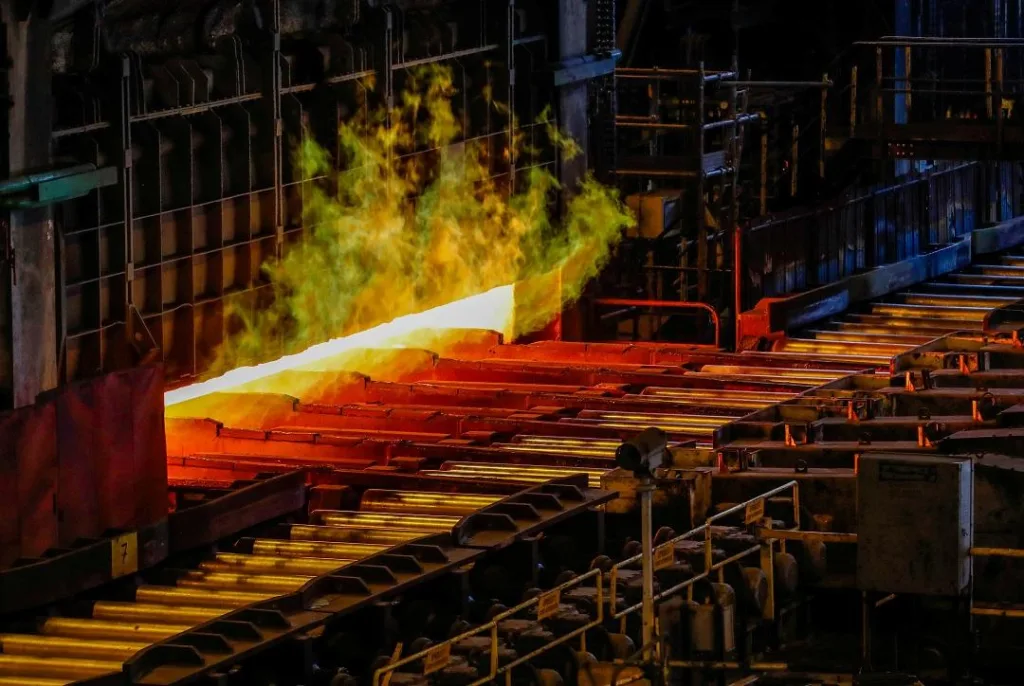
The global steel market has faced dramatic price fluctuations in recent years, driven by various economic and geopolitical factors. As industries that depend on steel closely monitor these trends, one pressing question remains: Will steel prices decrease, or will they keep rising? In this article, we’ll explore the factors shaping the steel market and offer insight into what we can expect for steel prices in the near future.
Key Factors Impacting Steel Prices
Several factors influence the volatility of steel prices. To accurately predict future trends, it’s essential to understand the following key drivers:
- Global Demand vs. Supply
The steel market is heavily influenced by the balance of global demand and supply. Economic recovery in countries like the U.S., China, and India has led to a surge in construction, manufacturing, and infrastructure projects, driving up demand. On the other hand, any disruptions in steel production, whether due to supply chain issues or geopolitical events, limit availability and push prices higher. - Raw Material Costs
Steel production relies on raw materials such as iron ore, coal, and scrap metal. Fluctuations in the prices of these materials directly impact steel prices. Rising input costs due to shortages or increased global demand often contribute to higher steel prices. - Energy Costs and Environmental Regulations
Steel production is an energy-intensive process. Rising energy prices or stricter environmental regulations can increase the cost of production, making it more expensive for manufacturers to produce steel and, in turn, leading to price hikes for consumers. - Geopolitical Instability
Global events such as trade wars, tariffs, and conflicts have significant impacts on steel prices. For instance, U.S.-China trade tensions have led to shifts in global supply chains, while the Russia-Ukraine conflict has disrupted energy supplies, affecting production costs.
Will Steel Prices Decrease in 2024?
While there are optimistic signs that steel prices might stabilize, a significant decline may not happen in the short term. The following factors contribute to this outlook:
- Recession Fears
A potential global economic slowdown could reduce demand for steel, leading to a price drop. However, if central banks continue aggressive interest rate hikes to combat inflation, steel consumption might contract, causing demand to soften. - China’s Economic Recovery
China is a key player in the global steel market. The pace of its economic recovery after the pandemic is critical. If China’s construction sector rebounds, it could keep demand for steel elevated and prices higher. - Environmental Policies
Stricter environmental policies and initiatives to reduce carbon emissions will likely affect steel production capacity. Producers may face added costs from carbon regulations, which could keep prices from falling even if demand slows.
What Should Businesses and Consumers Expect?
If you’re a business owner or consumer waiting for steel prices to drop, it’s essential to be prepared for both outcomes. Prices may decrease moderately if global demand weakens or if alternative materials like aluminum gain popularity. However, supply chain issues and rising input costs could keep prices elevated.
Conclusion
While steel prices may not experience a significant decrease in 2024, market volatility remains likely due to fluctuating demand, geopolitical events, and environmental regulations. Keeping a close eye on economic trends and industry forecasts will be essential for businesses and industries that rely on steel. Strategic purchasing and diversifying supply sources could help mitigate the impact of future price fluctuations.


