


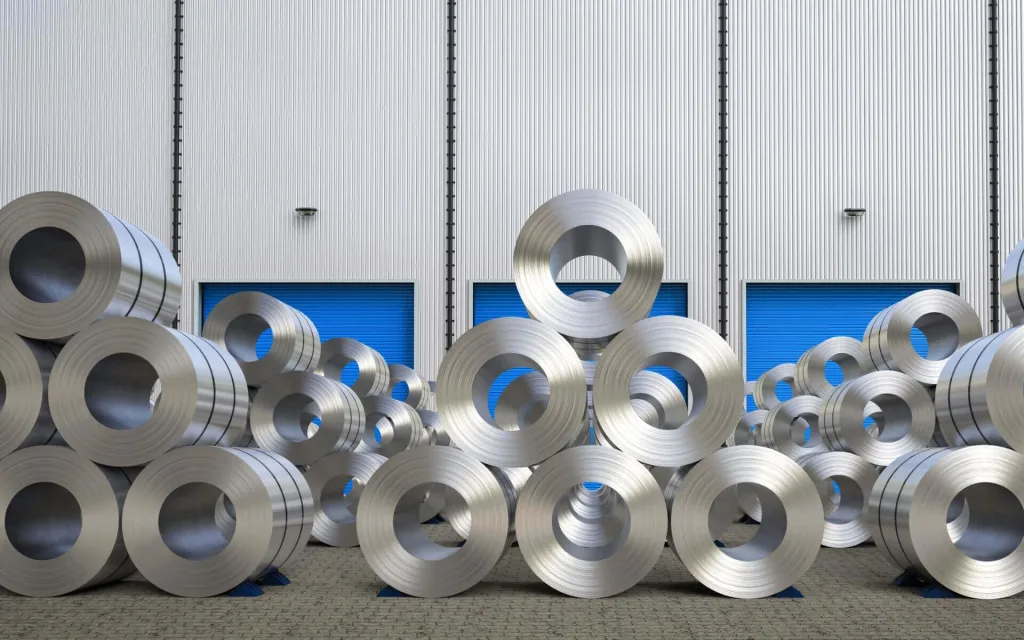
Steel is a cornerstone of modern civilization, known for its versatility, strength, and durability. Its wide-ranging applications span numerous industries, making it an essential material in our daily lives. This article explores the main uses of steel, delving into how it shapes infrastructure, transportation, energy, and everyday products, underscoring its critical role in contemporary society.
1. Construction and Infrastructure
1.1. Building Frameworks
- Skyscrapers: Steel’s high tensile strength and flexibility make it ideal for constructing towering skyscrapers and high-rise buildings.
- Residential Buildings: Steel is used in frames, beams, and reinforcement bars (rebar) to provide structural support and durability.
1.2. Bridges and Tunnels
- Bridges: Steel’s robustness and ability to withstand heavy loads make it perfect for bridge construction, ensuring longevity and safety.
- Tunnels: Reinforced steel is used in tunnel linings to enhance structural integrity and safety.
1.3. Infrastructure Projects
- Railway Tracks: Steel is essential for railway tracks, providing the necessary strength and durability to withstand heavy train loads.
- Utilities: Steel is used in water and gas pipelines, electricity pylons, and telecommunication towers, ensuring reliable infrastructure services.
2. Transportation
2.1. Automotive Industry
- Vehicle Bodies: Steel is widely used in car bodies, providing safety, strength, and durability.
- Engine Components: High-strength steel alloys are essential for manufacturing engine parts and other critical components.
2.2. Aerospace Industry
- Aircraft Frames: Steel alloys are used in aircraft frames and landing gear due to their strength and resistance to extreme conditions.
- Spacecraft: Steel components are crucial in spacecraft construction, providing durability and resilience in harsh space environments.
2.3. Shipbuilding
- Hull Construction: Steel is the primary material for constructing ship hulls, offering strength and corrosion resistance.
- Offshore Platforms: Steel structures are vital for offshore oil and gas platforms, ensuring stability and safety in harsh marine conditions.
3. Energy Sector
3.1. Power Generation
- Nuclear Plants: Steel is used in the construction of nuclear reactors and containment vessels due to its strength and heat resistance.
- Wind Turbines: Steel is essential for the towers and blades of wind turbines, providing the necessary strength and durability.
3.2. Oil and Gas Industry
- Pipelines: Steel pipelines are crucial for transporting oil and gas over long distances, offering strength and resistance to high pressure.
- Drilling Rigs: Steel is used in the construction of drilling rigs and platforms, ensuring stability and durability in challenging environments.
4. Consumer Goods
4.1. Home Appliances
- Refrigerators and Washing Machines: Steel is used in the outer casings and internal components of home appliances, providing durability and reliability.
- Kitchen Utensils: Stainless steel is a popular choice for kitchen utensils, offering corrosion resistance and ease of cleaning.
4.2. Furniture
- Office Furniture: Steel is used in the frames and structures of office furniture, providing strength and durability.
- Outdoor Furniture: Steel is a preferred material for outdoor furniture, offering weather resistance and longevity.
4.3. Electronics
- Smartphones and Laptops: Steel is used in the casings and internal components of smartphones and laptops, ensuring strength and durability.
- Household Gadgets: Steel is an essential material in various household gadgets, providing durability and a sleek appearance.
5. Industrial Applications
5.1. Machinery and Equipment
- Industrial Machinery: Steel is used in the construction of industrial machinery, offering strength and durability to withstand heavy usage.
- Agricultural Equipment: Steel is essential for manufacturing agricultural equipment, providing reliability and longevity.
5.2. Tools and Hardware
- Hand Tools: Steel is a primary material for hand tools such as wrenches, hammers, and screwdrivers, offering strength and durability.
- Hardware: Steel is widely used in nails, screws, and fasteners, providing strength and corrosion resistance.
Conclusion
Steel’s versatility and strength make it indispensable across various industries, from construction and transportation to energy and consumer goods. Its widespread use in infrastructure projects, automotive manufacturing, and everyday items underscores its importance in modern life. Understanding the diverse applications of steel highlights its critical role in shaping the world around us, driving innovation, and supporting economic growth.


