


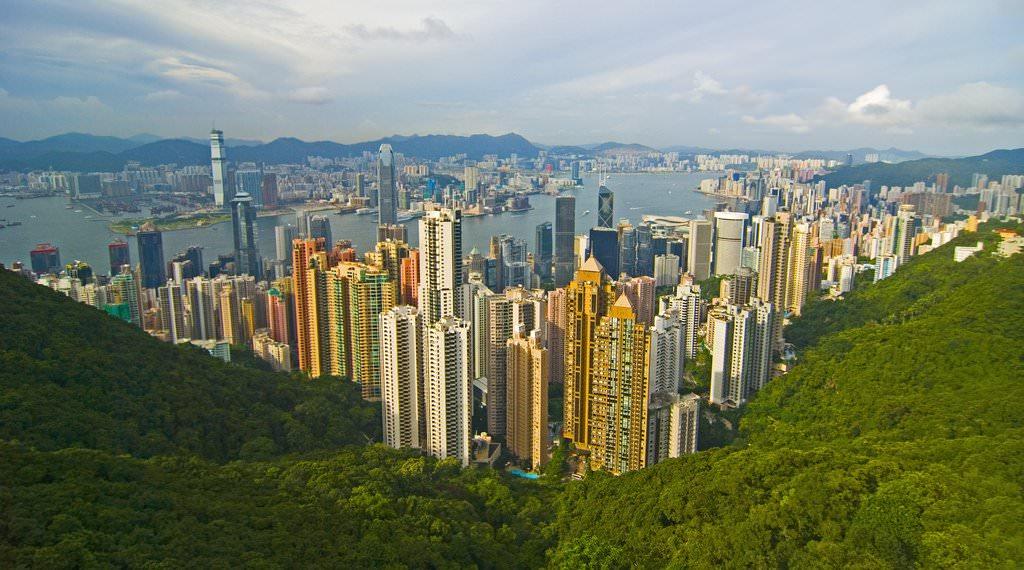
Hong Kong’s skyline is globally renowned for its towering skyscrapers and cutting-edge architecture, making it one of the most impressive urban landscapes in the world. At the heart of this iconic cityscape lies steel, a material that plays an indispensable role in shaping the city’s construction industry. As Hong Kong continues to expand and modernize, steel remains a cornerstone of the region’s construction projects. In this article, we explore the role of steel in Hong Kong’s construction industry, highlighting its importance, applications, and the trends driving its use.
1. Steel: The Backbone of Hong Kong’s Skyscrapers and Urban Development
Hong Kong is a densely populated city, known for its vertical growth due to limited land space. As a result, the construction of high-rise buildings has become a hallmark of the city’s urban planning strategy. Steel is the primary material that enables these impressive structures to reach such heights.
Why Steel is Essential for Skyscrapers:
- High Strength-to-Weight Ratio: Steel provides the necessary strength while being relatively lightweight, making it ideal for tall buildings that need strong structural support without excessive mass.
- Flexibility and Durability: Hong Kong is located in a region prone to typhoons and strong winds. Steel’s flexibility allows skyscrapers to sway slightly without breaking, ensuring their durability and safety during extreme weather conditions.
- Efficient Construction: Steel structures can be prefabricated off-site and quickly assembled on-site, speeding up construction timelines, a crucial advantage in Hong Kong’s fast-paced development environment.
2. Steel in Infrastructure: Bridges, Tunnels, and Transport Systems
Beyond high-rise buildings, steel is essential in Hong Kong’s vast infrastructure projects. From bridges that connect different parts of the city to underground tunnels and transportation systems, steel plays a critical role in supporting the city’s growth and connectivity.
Key Infrastructure Projects Utilizing Steel:
- Hong Kong-Zhuhai-Macao Bridge: One of the longest sea-crossing bridges in the world, this megastructure relied heavily on steel to ensure durability against marine conditions and extreme weather.
- Tsing Ma Bridge: As a vital transportation link, this steel suspension bridge connects the urban center to the international airport, showcasing steel’s strength and adaptability in large-scale infrastructure.
Advantages of Steel in Infrastructure:
- Longevity: Steel’s resistance to corrosion, especially when treated with protective coatings, makes it ideal for long-lasting infrastructure projects that endure heavy traffic and environmental stress.
- Sustainability: Steel is highly recyclable, making it a sustainable choice for modern infrastructure projects as cities aim to reduce their carbon footprints.
3. Sustainable Construction: Steel’s Role in Green Buildings
With growing concerns over climate change, Hong Kong’s construction industry is increasingly focusing on sustainability. Steel plays a pivotal role in green building initiatives, contributing to the city’s goal of reducing environmental impact while maintaining its rapid development pace.
Steel and Sustainability:
- Recyclability: One of the key benefits of steel is that it is 100% recyclable. Steel used in old buildings can be melted down and repurposed for new construction projects, reducing waste and conserving resources.
- Energy Efficiency: Steel-framed buildings allow for the incorporation of modern insulation techniques and energy-efficient designs, which are crucial in meeting Hong Kong’s stringent environmental regulations for new constructions.
- LEED Certification: Many of Hong Kong’s modern buildings are aiming for Leadership in Energy and Environmental Design (LEED) certification. Steel’s recyclability, durability, and energy efficiency contribute to these green building standards, making it a preferred material in eco-conscious projects.
4. Steel in Seismic and Typhoon-Resistant Construction
Hong Kong is located in a region that experiences typhoons and occasional seismic activity, making building resilience a top priority. Steel plays a central role in creating structures that can withstand natural disasters.
Benefits of Steel in Disaster-Resilient Construction:
- Earthquake Resistance: Steel’s flexibility allows buildings to absorb and dissipate seismic energy, minimizing the risk of structural collapse during an earthquake.
- Typhoon Resistance: Steel’s strength ensures that buildings can endure high winds and pressure changes during severe typhoons, which are common in Hong Kong.
5. Trends Shaping Steel Use in Hong Kong’s Construction Industry
As Hong Kong continues to grow, several key trends are influencing how steel is used in construction:
Prefabrication and Modular Construction
- Speed and Efficiency: The use of prefabricated steel components is on the rise, enabling faster construction times and reduced labor costs. Modular construction, where entire sections of buildings are pre-assembled off-site, is becoming increasingly popular, with steel providing the structural backbone.
Advanced Steel Alloys
- High-Performance Steel: Innovations in steel production have led to the development of advanced steel alloys with superior strength and resistance to environmental conditions. These materials are increasingly being used in high-performance buildings and infrastructure that require enhanced durability.
Smart Construction and Steel Automation
- Technology Integration: Smart construction technologies, such as automated fabrication and 3D modeling, are making it easier to design and build steel structures more precisely and efficiently. These advancements reduce waste and optimize material usage, further improving the sustainability and cost-effectiveness of steel in construction.
Conclusion: Steel’s Enduring Importance in Hong Kong’s Construction Industry
From towering skyscrapers to vital infrastructure, steel plays a foundational role in Hong Kong’s construction industry. Its unmatched strength, flexibility, and sustainability make it the go-to material for a city that is constantly evolving. As new trends in green building, prefabrication, and disaster-resilient construction emerge, steel will continue to shape the future of Hong Kong’s urban landscape.
For investors, developers, and architects, understanding the crucial role steel plays in the construction sector is key to harnessing its full potential. As Hong Kong continues to push the boundaries of urban development, steel remains an essential pillar of its progress.


