


As Hong Kong approaches 2024, the steel industry is at a pivotal moment. The demand for steel, driven by ongoing infrastructure projects and urban development, remains high, yet global economic pressures and local environmental concerns may affect production. In this article, we explore the outlook for steel production in Hong Kong in 2024, highlighting key trends, challenges, and opportunities that are expected to shape the sector.
Current State of Steel Production in Hong Kong
Hong Kong is primarily a consumer of steel rather than a major producer. The local market relies heavily on imports, mainly from mainland China, to meet its construction and industrial demands. However, there are domestic steel manufacturers like Shiu Wing Steel Limited, which plays a crucial role in producing steel products for local use. In recent years, the city’s steel production has faced challenges, including rising energy costs, environmental regulations, and fluctuations in global steel prices.
Key Factors Influencing Steel Production in 2024
1. Rising Demand from Construction and Infrastructure Projects
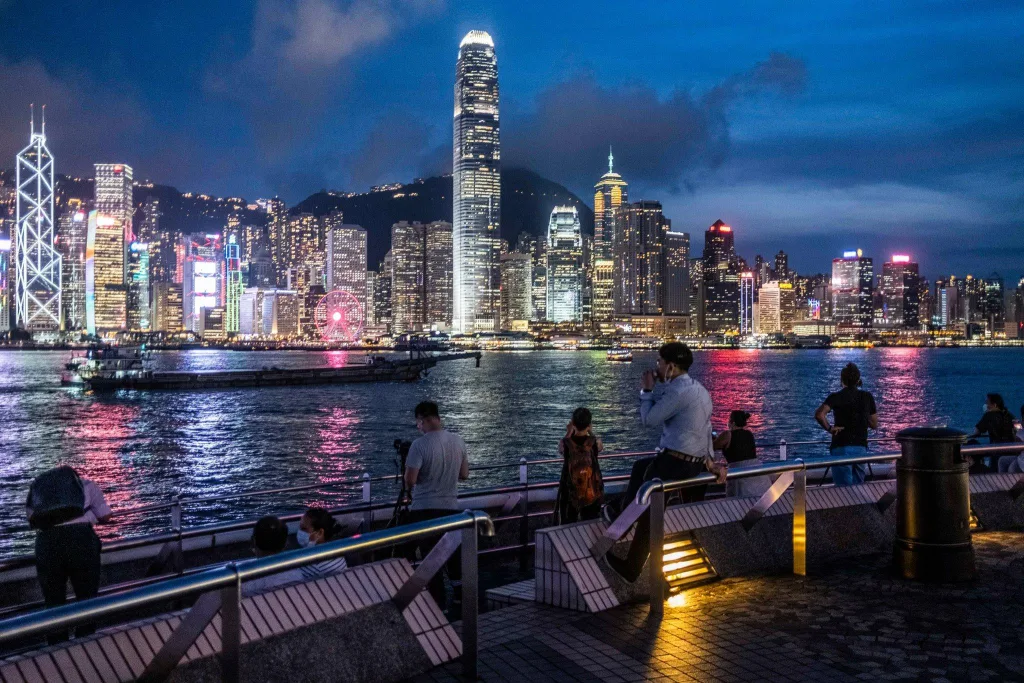
Hong Kong’s skyline continues to expand, with numerous infrastructure and construction projects set to take off in 2024. Major developments, including housing projects, transportation networks, and smart city initiatives, are expected to drive up demand for steel. The Greater Bay Area (GBA) initiative also presents significant opportunities, as Hong Kong strengthens its integration with neighboring cities like Shenzhen and Guangzhou.
As a result, the demand for steel production in Hong Kong is likely to remain robust, with local producers increasing output to meet the needs of these high-profile projects.
2. Sustainability and Environmental Regulations
Environmental sustainability is a growing concern for Hong Kong’s steel industry. In line with the city’s commitment to achieving carbon neutrality by 2050, local steel producers are under pressure to adopt greener practices. This includes reducing carbon emissions from steel production, implementing recycling programs, and investing in energy-efficient technologies.
In 2024, we expect to see Hong Kong steel manufacturers increasingly turn to electric arc furnaces (EAF), which use recycled scrap metal and emit fewer carbon emissions than traditional blast furnaces. This shift aligns with global trends towards sustainable steel production and helps mitigate the environmental impact of the industry.
3. Impact of Global Steel Prices
Global steel prices have been volatile in recent years due to supply chain disruptions, geopolitical tensions, and fluctuating demand. In 2024, Hong Kong’s steel production will be influenced by these international market dynamics. If steel prices remain high, local manufacturers may face increased production costs, which could be passed on to consumers in the form of higher prices for construction materials.
However, if global steel prices stabilize or decrease, it could present an opportunity for Hong Kong’s steel industry to expand production and meet rising local demand more efficiently.
4. Technological Advancements
Innovation is playing a key role in shaping the future of steel production. In 2024, we expect Hong Kong’s steel industry to benefit from advancements in technology that enhance productivity and reduce costs. Smart manufacturing systems, AI-driven logistics, and automation will likely be adopted by local producers to streamline operations and improve the quality of steel products.
These technologies not only increase efficiency but also allow manufacturers to produce steel that meets higher environmental standards. Companies investing in cutting-edge technology will be better positioned to compete in an evolving market.
5. Trade Relations and Supply Chain Stability
Trade relations, particularly between Hong Kong and China, are expected to remain stable in 2024, ensuring a steady flow of steel imports into the city. However, the steel industry will still be influenced by global trade tensions and supply chain vulnerabilities. If any significant disruptions occur, whether from international conflicts, transportation bottlenecks, or tariffs, they could affect steel availability and production costs in Hong Kong.
For now, the outlook appears positive, with Hong Kong maintaining access to a reliable supply of steel from regional partners. Nonetheless, local producers should prepare for potential challenges by diversifying their supply chains where possible.
Opportunities for Growth in 2024
1. Greater Bay Area Collaboration
The GBA initiative presents enormous growth potential for Hong Kong’s steel industry. As the region develops into an integrated economic hub, demand for steel across various sectors, construction, technology, and transportation, will soar. Local producers can capitalize on these opportunities by establishing stronger trade partnerships within the GBA and increasing production to meet cross-border demand.
2. Increased Focus on Steel Recycling
As part of the push for sustainability, steel recycling will play an increasingly important role in Hong Kong’s production outlook. Recycling steel not only reduces the need for new raw materials but also helps lower energy consumption and carbon emissions. By expanding steel recycling efforts, local manufacturers can position themselves as leaders in green production while meeting rising environmental standards.
3. Technological Innovation for Competitive Advantage
Investing in technological advancements like AI, robotics, and smart manufacturing could give Hong Kong’s steel producers a competitive edge in the global market. These innovations will help streamline production processes, reduce costs, and enhance the quality of steel products. Companies that embrace digital transformation will be well-positioned to meet growing demand in 2024 and beyond.
Challenges Facing the Steel Industry in 2024
1. Environmental Pressures
While the shift towards greener production methods offers opportunities, it also presents challenges. Compliance with environmental regulations may require significant investment in new technologies and production processes, increasing costs for local manufacturers.
2. Global Market Volatility
As a small player in the global steel market, Hong Kong remains vulnerable to shifts in global demand and pricing. Any significant changes in global trade policies, geopolitical conflicts, or steel prices could have a direct impact on local production.
Conclusion
The outlook for steel production in Hong Kong in 2024 is optimistic, driven by rising demand for construction materials, sustainability initiatives, and technological advancements. While challenges such as environmental regulations and market volatility exist, the opportunities for growth, particularly in collaboration with the Greater Bay Area, are promising. By investing in green technologies and smart manufacturing, Hong Kong’s steel industry can thrive and meet the demands of a rapidly evolving market.


