


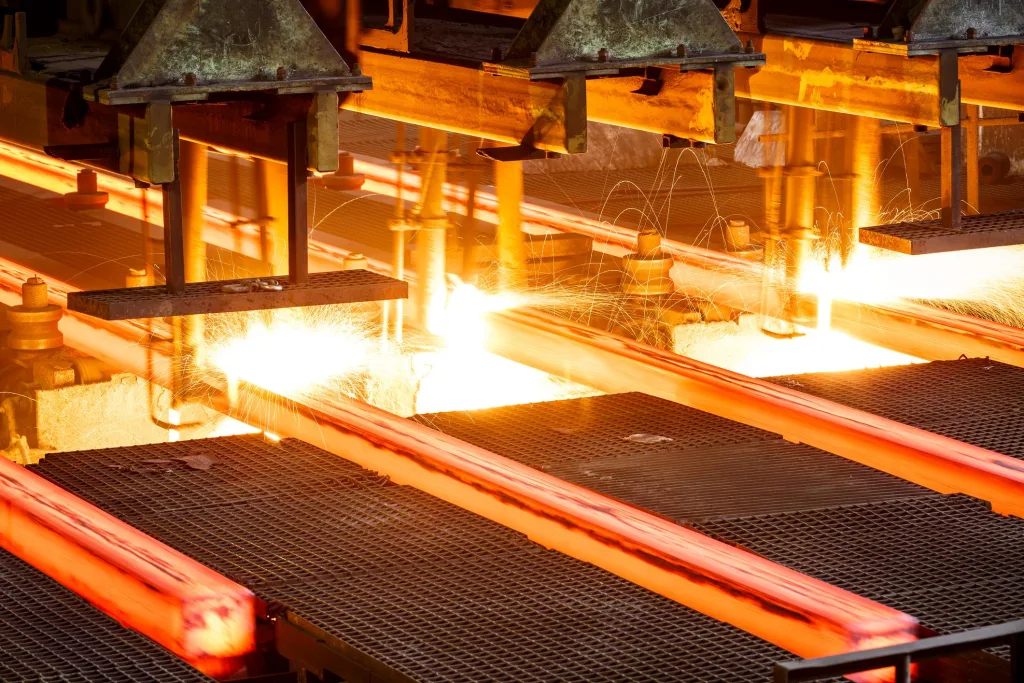
As we move into 2024, the steel industry remains a focal point for global economies, construction projects, and manufacturing sectors. Steel prices, which have seen significant volatility over the past few years, are influenced by a combination of factors including global demand, supply chain constraints, raw material costs, and government policies. This article dives into the key drivers shaping steel prices in 2024 and what the future holds for this critical commodity.
1. Global Demand: Steady Growth Amid Economic Recovery
The global economy is showing signs of recovery after years of turbulence caused by the pandemic and geopolitical tensions. This recovery will be a crucial factor in shaping steel prices in 2024.
- Construction and Infrastructure Boom: Emerging markets like India and Southeast Asia are expected to continue expanding their infrastructure projects, driving demand for steel. The U.S. and Europe are also investing in green energy and infrastructure projects as part of sustainability efforts, boosting demand for steel products.
- Automotive and Manufacturing Sectors: The automotive industry, transitioning to electric vehicles (EVs), and a resurgence in manufacturing output are likely to support steady demand for steel in 2024. Increased production capacity for EVs, which require different types of steel for lightweighting, is expected to further fuel demand.
2. China’s Role: Will Production Cuts Continue?
China, the world’s largest steel producer, will play a critical role in determining steel prices in 2024. The Chinese government’s approach to managing overproduction, environmental concerns, and economic growth will significantly impact global supply and pricing.
- Environmental Regulations and Production Cuts: China has introduced stringent environmental regulations, including production curbs for steel mills to reduce carbon emissions. If these restrictions continue or intensify in 2024, we could see a tighter steel supply from China, which may put upward pressure on prices globally.
- Economic Slowdown: However, with China’s economic growth projected to slow down in 2024, demand for steel in the domestic market may soften. This could lead to a reduced global demand for raw materials and a surplus of steel, which may balance any supply restrictions caused by environmental policies.
3. Raw Material Costs: What to Expect in 2024?
Steel prices are highly sensitive to the costs of raw materials, including iron ore and coking coal. Fluctuations in these input prices can have a direct impact on steel production costs and, subsequently, market prices.
- Iron Ore Prices: In 2024, iron ore prices are expected to stabilize after a period of volatility in recent years. With a more balanced supply and demand dynamic, producers may benefit from reduced input costs, keeping steel prices relatively stable.
- Coking Coal Trends: Coking coal prices, which saw significant increases due to supply chain disruptions, are likely to experience some relief in 2024 as supply normalizes. This will further reduce the cost of steel production and potentially ease price pressure.
4. Supply Chain Stabilization
The steel industry has been grappling with supply chain disruptions since the onset of the COVID-19 pandemic. However, in 2024, these disruptions are expected to subside, leading to a more stable and predictable market environment.
- Freight and Shipping Costs: After two years of high freight rates, shipping costs are expected to stabilize in 2024. This stabilization will not only lower the cost of imported steel but also allow smoother movement of raw materials like iron ore and coking coal across borders, providing relief to steel producers.
- Inventory Levels: Many companies, particularly in Asia and Europe, had been stockpiling steel in response to previous supply chain disruptions. With supply chains normalizing, inventory levels are expected to decrease, potentially leading to a more balanced supply-demand equilibrium in 2024.
5. Geopolitical and Trade Policies
Global trade policies and geopolitical tensions have always influenced steel prices, and 2024 will be no exception.
- Tariffs and Trade Agreements: Steel trade is heavily influenced by government policies such as tariffs and anti-dumping measures. The continuation of tariffs by the U.S. on steel imports from certain countries, along with possible trade agreements between key players, will influence both global and local pricing.
- Russia-Ukraine Conflict: The ongoing geopolitical tensions in Eastern Europe, particularly the Russia-Ukraine conflict, have disrupted steel supplies and impacted energy costs. In 2024, any developments in this region could further affect energy prices and steel output from Europe.
6. Sustainability Initiatives: Impact on Steel Demand
Sustainability will be a key focus for the steel industry in 2024. As countries strive to reduce their carbon footprints, green steel production is gaining traction.
- Shift to Green Steel: In 2024, we can expect a growing focus on sustainable steel production methods, including the use of hydrogen in steelmaking and electric arc furnaces (EAFs) powered by renewable energy. This shift may result in increased costs for greener steel, which could affect overall market prices.
- Carbon Pricing and Emission Targets: With governments setting aggressive emission reduction targets, steel producers may face additional costs related to carbon pricing. These costs could either push prices up or force producers to become more efficient, ultimately benefiting consumers with lower prices.
7. Currency Fluctuations
Currency volatility will also play a role in determining steel prices in 2024. Since steel is traded globally, fluctuations in major currencies, particularly the U.S. dollar, can affect the cost of steel imports and exports.
- Strengthening of the U.S. Dollar: If the U.S. dollar continues to strengthen against other currencies, it could make steel imports more expensive for many countries, pushing up prices in local markets. Conversely, a weakening dollar may provide some relief for import-heavy regions.
Conclusion: What Can We Expect for Steel Prices in 2024?
The outlook for steel prices in 2024 points toward a more stable market environment, albeit with several factors at play. Global demand from key sectors like construction and automotive is expected to grow, while supply chains are set to stabilize. Raw material costs, particularly for iron ore and coking coal, should remain under control, further contributing to price stability.
However, uncertainties remain, especially with regard to China’s production policies, geopolitical tensions, and sustainability initiatives. While prices may not see the extreme fluctuations experienced in recent years, steel producers and consumers should remain vigilant, as unforeseen developments could quickly alter the market landscape.
For businesses relying on steel, understanding these key trends and preparing for potential changes will be crucial for navigating the 2024 steel market.


