


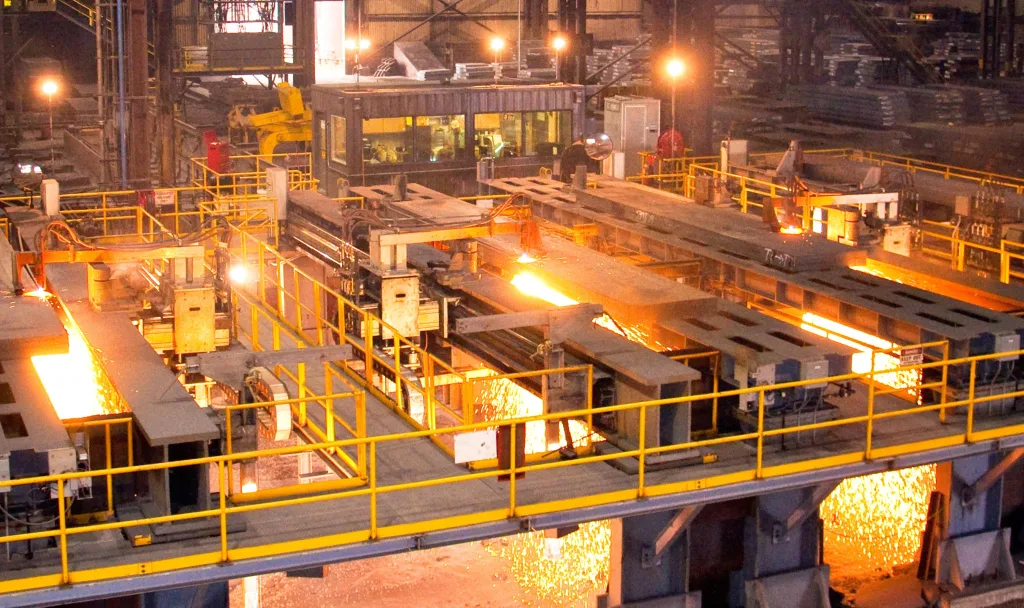
Steel is more than just a commodity, it’s the backbone of modern infrastructure, luxury automobile designs, high-end construction projects, and innovative industrial solutions. As global economies evolve and market dynamics shift, understanding steel prices becomes crucial for investors, industry leaders, and elite customers who demand top quality and reliable forecasts. In this comprehensive article, we delve deep into the factors influencing steel prices, examine current global steel prices, explore the latest steel market trends, and provide actionable insights and forecasts that will help you navigate this complex industry.
Introduction
Steel is an essential material in the modern world, forming the core of everything from skyscrapers and bridges to luxury vehicles and custom architectural designs. Its price fluctuations not only reflect economic conditions but also influence decisions made by elite investors and high-end market players. In this article, we will provide an in-depth analysis of steel prices, discuss key market indicators, and look at future trends. We aim to equip you with the knowledge to make informed decisions, ensuring you stay ahead in a competitive market.
Whether you are a seasoned industry expert or a new investor looking to understand the intricacies of the steel market, our detailed exploration will provide you with valuable insights that are both informative and actionable.
Understanding the Steel Market
The Role of Steel in the Global Economy
Steel is a fundamental material in global infrastructure and industrial production. Its widespread use in construction, transportation, and manufacturing makes its pricing dynamics a critical economic indicator. When discussing steel prices, one must consider a multitude of factors including raw material costs, production capacity, demand fluctuations, and geopolitical influences.
The steel market is a complex network where supply and demand interact on a global scale. Market forces, economic policies, and environmental factors all influence the cost of steel, which in turn impacts various downstream industries. For elite customers and luxury market players, understanding these dynamics is essential for optimizing procurement strategies and maintaining competitive advantages.
Key Segments of the Steel Market
The steel industry is not monolithic. It comprises several key segments, each with its own pricing behavior and market dynamics:
- Raw Steel Cost: This represents the price of unprocessed steel before it undergoes further fabrication. It serves as a baseline for understanding the overall pricing structure.
- Hot Rolled Steel: Produced by rolling steel at high temperatures, hot rolled steel is widely used in construction and manufacturing due to its durability and affordability.
- Structural Steel: This type is specifically engineered for use in building frameworks, bridges, and other large-scale construction projects, where strength and safety are paramount.
- Specialty Steel Products: These include high-performance alloys and customized steel solutions tailored for luxury markets and high-end applications.
Each segment contributes uniquely to the overall steel pricing landscape and requires a distinct approach when it comes to market analysis and forecasting.
Factors Influencing Steel Prices
Understanding the forces behind steel pricing is essential for making informed decisions. Several key factors influence steel prices on both a global and regional scale:
1. Global Steel Prices and Economic Conditions
Global steel prices are directly influenced by the overall health of the global economy. When economic growth is robust, demand for steel in infrastructure projects, automotive manufacturing, and construction increases, driving prices up. Conversely, during economic downturns, reduced spending and stalled projects lead to lower demand and falling prices.
Recent trends indicate that the global economy is experiencing a mix of recovery and cautious growth. This dynamic is reflected in the fluctuating steel prices across different regions. For instance, countries with booming construction sectors tend to push up prices, while regions facing economic slowdowns experience more subdued market conditions.
2. Supply and Demand Dynamics
The balance between supply and demand is a fundamental determinant of steel prices. Factors that affect this balance include:
- Production Capacity: The ability of steel mills to produce raw steel significantly influences market prices. Overcapacity in the market can lead to a surplus, driving prices down, while production cuts can create scarcity and push prices up.
- Demand in Key Industries: Industries such as construction, automotive, and manufacturing are major consumers of steel. Changes in these sectors, be it through economic stimulus, technological advancements, or shifts in consumer behavior, directly impact steel demand.
- Inventory Levels: High inventory levels suggest that supply is outstripping demand, which typically results in lower prices. Conversely, low inventory levels often indicate strong demand or constrained supply, leading to price increases.
3. Raw Material Costs
The cost of raw materials, particularly iron ore and coal, is a critical factor in determining the raw steel cost. Fluctuations in the prices of these inputs directly affect the cost of production. For example, a spike in iron ore prices can lead to higher production costs, which are then passed on to consumers in the form of increased steel prices.
Environmental regulations and sustainability concerns also impact raw material costs. As the steel industry shifts toward greener practices, investments in new technologies and alternative materials may alter production costs and, by extension, steel prices.
4. Geopolitical and Trade Policies
Trade policies, tariffs, and geopolitical tensions can create significant volatility in the steel market. Tariffs imposed on imported steel can boost domestic prices by protecting local manufacturers, while trade disputes can lead to uncertainty and rapid price fluctuations.
For instance, recent announcements of tariffs on steel imports from key trading partners have had a noticeable impact on U.S. steel prices. Such policies not only affect pricing but also reshape global supply chains, influencing the competitiveness of domestic versus imported steel.
5. Technological Advancements in Steel Production
Advancements in production technology can improve efficiency and reduce costs. Innovations in steel manufacturing, such as automation, energy-efficient processes, and improved raw material processing, can lead to lower production costs and more stable pricing over time.
Furthermore, new production techniques may enable the development of specialty steel products that meet the high standards of elite and luxury markets, offering unique value propositions that justify premium pricing.
6. Environmental Regulations and Sustainability Initiatives
As global awareness of climate change and sustainability grows, the steel industry is under increasing pressure to adopt environmentally friendly practices. Regulations aimed at reducing carbon emissions and promoting sustainable production can impact operational costs.
The transition to greener technologies may involve significant upfront investments, which could temporarily drive up production costs and, consequently, steel prices. However, in the long term, sustainable practices may lead to a more stable pricing environment as industries worldwide embrace cleaner production methods.
Steel Market Trends: A Detailed Analysis
Global Steel Prices: Current Status and Future Outlook
The current state of global steel prices is shaped by a combination of robust demand in emerging markets and economic uncertainties in developed economies. Recent market data shows that while prices have stabilized in some regions, they continue to be volatile in others due to shifting demand patterns and fluctuating raw material costs.
Key trends include:
- Regional Disparities: Steel prices in Asia, particularly in China and India, are often driven by domestic demand and infrastructure investments. In contrast, European and North American markets are influenced by economic policies and trade regulations.
- Sustainability as a Driver: With growing emphasis on sustainable construction and green technologies, demand for eco-friendly steel products is on the rise. This trend is expected to reshape the industry and create new opportunities for manufacturers who invest in cleaner production methods.
- Technological Integration: Automation and digitalization in steel production are reducing costs and enhancing productivity, contributing to a more efficient supply chain and potentially stabilizing prices over the long term.
Steel Market Trends and the Impact on Luxury Markets
For elite and luxury customers, the quality and reliability of steel are paramount. The luxury market often demands steel products that not only meet high performance standards but also contribute to the aesthetic and durability of exclusive projects. Here’s how current steel market trends are impacting these sectors:
- Premium Structural Steel: The demand for high-quality structural steel is rising in luxury construction projects, where safety, design, and longevity are crucial. As developers invest in state-of-the-art infrastructure, the focus shifts to premium steel products that offer superior strength and corrosion resistance.
- Customization and Specialty Alloys: Luxury markets, including high-end automotive and yacht manufacturing, are increasingly turning to customized steel alloys that provide a unique combination of durability and elegance. These specialty products often command higher prices and are less affected by fluctuations in the broader market.
- Technological Innovation: Innovations such as advanced coating technologies and improved fabrication techniques are enhancing the properties of steel, making it more suitable for high-end applications. Companies that lead in these innovations are likely to see their products favored by discerning customers.
- Sustainability Credentials: Elite customers are also becoming more conscious of the environmental impact of their purchases. Steel producers who adopt green production methods and offer sustainable products are better positioned to attract this segment of the market, even if it means a premium price.
The Role of Steel Production Data
Steel production statistics serve as a barometer for the industry’s health. Trends in production volumes, capacity utilization, and technological investments offer insights into where the market is headed.
- Capacity Utilization: High capacity utilization rates indicate strong demand and can lead to upward pressure on prices. Conversely, lower utilization rates suggest an oversupply, which may result in falling prices.
- Production Efficiency: Advances in production methods have improved efficiency and reduced costs. An increase in production efficiency can lead to more competitive pricing, benefiting consumers while maintaining quality.
- Geographic Shifts: Global steel production is experiencing shifts as emerging economies expand their manufacturing capabilities. These changes can alter the global supply-demand balance, influencing prices in both mature and developing markets.
Steel Industry Analysis: In-Depth Look at Current Challenges and Opportunities
Conducting a thorough steel industry analysis involves evaluating a range of factors that collectively shape the market. Here are some key components of a robust analysis:
- Economic Indicators: GDP growth, construction activity, and automotive production are among the leading indicators that influence steel demand. A comprehensive analysis considers these variables to forecast future price movements.
- Trade Policies and Tariffs: Recent tariff announcements and trade disputes have introduced uncertainty into the market. Analyzing how these policies affect both domestic and international prices is critical for understanding the competitive landscape.
- Raw Material Availability: The supply and price of raw materials, such as iron ore and coal, are fundamental to steel production costs. Industry analysis must incorporate trends in raw material markets to accurately predict changes in the raw steel cost.
- Technological Advancements: The pace of innovation in steel production has a significant impact on pricing. Analysis should account for emerging technologies that could disrupt traditional production models and alter cost structures.
- Environmental Factors: Sustainability initiatives and environmental regulations are increasingly influencing the industry. Companies that can effectively integrate green technologies may gain a competitive advantage, affecting overall market dynamics.
The Influence of Tariffs on Steel Prices
Trade policies, particularly tariffs, have a direct impact on steel prices. Recent measures by governments to impose tariffs on imported steel have reshaped market dynamics in several ways:
- Boosting Domestic Production: Tariffs protect domestic steelmakers by making imported steel more expensive. This protection can lead to higher prices in domestic markets and encourage local production.
- Price Volatility: While tariffs can stabilize prices in the short term, they may also lead to volatility as global supply chains adjust. Industries reliant on imported steel must navigate these fluctuations carefully.
- Competitive Shifts: Tariffs may force companies to reevaluate their supply chains and consider alternative sources of steel. For elite customers, this can mean higher costs but also the assurance of higher quality from domestically produced steel.
- Long-Term Implications: Over time, sustained tariff policies could lead to shifts in global production patterns, influencing long-term trends in steel price forecast and market stability.
Steel Price Forecast: What to Expect in 2025 and Beyond
Forecasting steel prices involves analyzing historical trends, current market conditions, and future economic indicators. The outlook for steel prices in 2025 is shaped by a number of factors, including demand recovery in emerging markets, shifts in global production, and the impact of trade policies.
Short-Term Price Forecast
In the short term, the market is expected to experience moderate price increases driven by a rebound in demand from the construction and automotive sectors. Key factors include:
- Economic Recovery: As economies recover from recent downturns, infrastructure projects and manufacturing output are likely to increase, boosting steel demand.
- Tariff Impacts: Recent tariff measures are anticipated to support domestic prices by reducing the influx of lower-priced imports. This protection could result in a noticeable price uptick in the coming months.
- Inventory Adjustments: With suppliers adjusting their inventory levels in response to shifting demand, short-term price fluctuations may occur as the market rebalances.
Analysts predict that global steel prices may see an average increase of 5% to 8% over the next 12 months. However, this projection is subject to change based on evolving economic conditions and policy decisions.
Long-Term Price Trends
Looking further ahead, the long-term outlook for steel prices is influenced by structural changes in the global economy and advancements in steel production technology. Some key long-term trends include:
- Sustainable Production: As the industry adopts greener practices, the cost structure of steel production may change. In the long run, environmentally friendly production methods could stabilize prices, albeit at a premium.
- Technological Disruption: Innovations in production processes and automation are likely to reduce costs and increase efficiency. Over time, this could lead to more predictable pricing patterns and lower volatility.
- Geopolitical Shifts: Ongoing trade tensions and changes in global economic power balances will continue to shape steel prices. A more fragmented global market may lead to regional disparities in pricing.
- Demand Shifts in Key Markets: Emerging markets, particularly in Asia and Africa, are expected to drive long-term growth in steel consumption. This increased demand could gradually push up prices, even if technological advancements and sustainable practices temper short-term fluctuations.
Forecasting Models and Methodologies
To arrive at a reliable steel price forecast, analysts use a combination of econometric models, market simulations, and historical data analysis. These methodologies take into account:
- Macroeconomic Indicators: Variables such as GDP growth, interest rates, and inflation are integrated into forecasting models to assess future demand.
- Industry-Specific Data: Production statistics, inventory levels, and capacity utilization rates provide granular insights into market dynamics.
- Geopolitical Analysis: Trade policies, tariffs, and international agreements are factored into models to gauge their impact on price stability.
- Technological Trends: The rate of technological adoption and process innovations in steel production are included to predict shifts in production costs and efficiency.
While no forecasting model can predict prices with absolute certainty, these combined approaches offer a robust framework for anticipating future trends and making strategic decisions.
Strategic Implications for Elite and Luxury Customers
For elite customers and high-end market players, the implications of steel pricing extend beyond simple cost considerations. The quality, reliability, and consistency of steel are critical factors in maintaining the prestige and functionality of luxury projects. Here’s how these stakeholders can leverage our insights:
1. Procurement Strategies
Luxury projects, whether in high-end construction, premium automotive manufacturing, or bespoke industrial design, demand materials that meet exacting standards. To secure the best value:
- Long-Term Contracts: Consider negotiating long-term supply agreements with reputable steel producers. This can protect against short-term volatility and ensure a steady supply of high-quality steel.
- Diversified Sourcing: Avoid reliance on a single supplier or region. Diversification helps mitigate risks associated with geopolitical tensions or trade disputes.
- Focus on Quality and Sustainability: Premium projects often require steel that not only performs well but also aligns with environmental values. Suppliers who adopt sustainable production methods may offer a competitive edge, even if their prices are slightly higher.
2. Investment Considerations
For investors focused on the steel industry, understanding the nuanced dynamics of steel prices is key to making informed decisions. Here are some strategies:
- Monitor Market Trends: Stay updated on steel market trends and global economic indicators that impact demand. This will help you anticipate price movements and adjust your investment portfolio accordingly.
- Leverage Forecasting Data: Use detailed steel price forecasts to identify opportunities for long-term investment. Companies that are investing in sustainable and technologically advanced production methods may be well-positioned for future growth.
- Sector Diversification: The steel industry is interconnected with multiple sectors, including construction, automotive, and manufacturing. Diversifying your investments across these sectors can help balance risk and capitalize on growth opportunities.
3. Technological and Sustainability Investments
For elite customers who incorporate steel into their projects, investing in new technologies and sustainable practices is not just about compliance, it’s about adding value:
- Smart Steel Solutions: Explore advanced steel products such as high-performance structural steel and hot rolled steel that offer superior durability, aesthetic appeal, and environmental benefits.
- Digital Tools for Quality Assurance: Utilize digital monitoring and data analytics tools to track steel production quality and performance in real time. This ensures that the steel used in your projects meets stringent standards.
- Green Investments: With the global push for sustainability, consider working with suppliers who have robust environmental credentials. Green steel products may come at a premium, but they enhance the overall appeal and long-term value of luxury projects.
Practical Tips for Navigating the Steel Pricing Landscape
Navigating the complexities of steel pricing requires a multifaceted approach. Here are practical tips that can help you stay ahead:
Stay Informed with Real-Time Data
In a rapidly changing market, having access to real-time data on global steel prices and industry trends is critical. Utilize reputable sources, industry reports, and digital dashboards that provide up-to-date market insights.
Develop a Robust Risk Management Strategy
Price volatility in the steel market can impact project budgets and investment returns. Develop a risk management strategy that includes:
- Hedging Instruments: Consider financial instruments such as futures and options to hedge against price fluctuations.
- Flexible Contracts: Negotiate flexible contract terms that allow for adjustments based on market conditions.
- Contingency Planning: Prepare contingency plans to address potential supply disruptions or sudden price spikes.
Leverage Technology for Market Analysis
Modern technology can simplify the process of tracking market trends and forecasting future prices. Invest in tools that offer comprehensive steel industry analysis and enable you to model different scenarios. Advanced analytics can help you identify emerging trends and adjust your strategies proactively.
Focus on Long-Term Value, Not Short-Term Gains
While short-term price movements are important, focusing on long-term value is essential, especially for elite and luxury market projects. Evaluate steel investments based on their potential to deliver sustained performance, quality, and environmental benefits over time.
Collaborate with Industry Experts
Engaging with industry experts, attending trade conferences, and joining professional associations can provide deeper insights and networking opportunities. Collaborating with experts can help you stay informed about upcoming trends, new technologies, and best practices in procurement and investment.
Case Studies: Successful Strategies in a Volatile Market
To illustrate the practical application of these insights, consider the following case studies from diverse sectors:
Case Study 1: Premium Construction Project in Europe
A leading luxury real estate developer in Europe faced challenges due to fluctuating steel prices and supply chain uncertainties. By engaging in a long-term contract with a reputable steel manufacturer and diversifying its sourcing strategy, the developer was able to secure high-quality structural steel at competitive prices. The project not only met stringent quality standards but also embraced sustainability practices by using eco-friendly steel products. The success of this project underscores the importance of strategic procurement and a focus on long-term value.
Case Study 2: High-End Automotive Manufacturing
An elite automotive brand specializing in luxury vehicles sought to upgrade its production process by using advanced hot rolled steel alloys. The company collaborated closely with steel producers to ensure that the raw materials met the highest quality standards while also reducing production costs through technological innovation. By leveraging detailed steel production data and market forecasts, the brand was able to time its procurement effectively, leading to improved product performance and a significant competitive advantage in the luxury market.
Case Study 3: Infrastructure Investment by a Global Conglomerate
A multinational conglomerate, heavily invested in infrastructure projects across emerging markets, needed to hedge against volatile steel prices. The conglomerate implemented a sophisticated risk management strategy that included using hedging instruments and flexible supply contracts. Detailed steel industry analysis enabled the company to anticipate price trends and adjust its procurement strategy, resulting in substantial cost savings and a successful project rollout that has been lauded for its quality and durability.
The Road Ahead: Future Trends and Market Predictions
Looking beyond 2025, several trends are expected to shape the steel market:
1. Increasing Emphasis on Sustainability
Sustainability will continue to be a significant driver in the steel market. As environmental regulations tighten and consumer preferences shift toward eco-friendly products, companies that invest in green production methods and sustainable steel products will likely command a premium. Expect to see increased demand for recycled steel and innovations that reduce carbon footprints throughout the production process.
2. The Impact of Digital Transformation
Digital transformation is revolutionizing the steel industry by enhancing production efficiency, quality control, and supply chain management. Advanced data analytics, artificial intelligence, and IoT (Internet of Things) applications will enable companies to optimize operations, reduce waste, and respond swiftly to market changes. This digital shift is expected to stabilize global steel prices by creating a more predictable and transparent supply chain.
3. Geopolitical Shifts and Trade Policies
Trade policies and geopolitical tensions will continue to influence steel prices. Tariffs, trade disputes, and changes in international agreements have immediate effects on pricing. However, as countries adapt to new economic realities and reshape global supply chains, long-term trends may shift toward more regionalized markets. A proactive approach to managing geopolitical risks will be crucial for sustaining market stability.
4. Innovations in Steel Production
Technological advancements are set to transform steel production processes. Innovations in automation, additive manufacturing, and energy-efficient technologies will drive down production costs over time. These innovations are likely to influence raw steel cost and improve overall market efficiency. Companies that embrace these technologies will be better positioned to deliver high-quality products to elite markets.
5. Evolving Consumer Demands in Elite Markets
Elite and luxury customers demand nothing less than perfection. In the steel market, this translates into a need for products that combine exceptional performance, durability, and aesthetic appeal. As architectural trends evolve and luxury vehicles incorporate more innovative designs, the demand for customized, high-performance steel products will grow. Manufacturers who can tailor their offerings to meet these sophisticated needs will have a distinct competitive advantage.
6. Long-Term Price Forecasts and Market Stability
Based on current data and trends, many analysts forecast that steel prices will see moderate increases in the short term, driven by demand recovery and tariff measures. Over the long term, however, prices are expected to stabilize as technological advancements and sustainable practices reduce production costs. A well-informed steel price forecast will be invaluable for investors and industry stakeholders aiming to capitalize on these trends.
Practical Recommendations for Industry Stakeholders
Drawing on the comprehensive insights presented above, here are several practical recommendations for various stakeholders in the steel market:
For Investors
- Diversify Your Portfolio: Invest in companies that are leaders in technological innovation and sustainable production. Look for firms with robust strategies for managing raw material costs and geopolitical risks.
- Monitor Market Trends: Keep a close eye on economic indicators and policy developments that could impact steel prices. Utilize detailed steel market trends reports to guide your investment decisions.
- Consider Long-Term Contracts: When possible, secure long-term supply agreements that provide price stability and reduce exposure to market volatility.
For Manufacturers
- Embrace Digital Transformation: Invest in modernizing production processes with digital tools, data analytics, and automation. These investments will not only reduce costs but also improve quality and efficiency.
- Focus on Sustainability: Adopt green production practices and invest in eco-friendly technologies. This will not only appeal to elite and environmentally conscious customers but also position your company as a leader in the industry.
- Diversify Supply Chains: Mitigate risks associated with geopolitical tensions by developing diversified sourcing strategies. Relying on multiple suppliers from different regions can help ensure continuity in production.
For Elite Customers and Project Developers
- Prioritize Quality and Customization: When selecting steel products for luxury projects, prioritize suppliers that offer high-quality, customized solutions. Products like structural steel and hot rolled steel engineered to meet specific design and performance criteria are ideal for elite applications.
- Plan for Long-Term Stability: Engage with suppliers who offer long-term contracts and reliable delivery schedules. This is particularly important for large-scale projects where consistency in material quality and supply is critical.
- Stay Informed: Regularly review steel industry analysis reports and market forecasts to stay updated on the latest trends and price movements. This proactive approach can help you anticipate changes and adjust your project budgets accordingly.
Conclusion
The steel market is a dynamic and integral component of the global economy, affecting a wide range of industries from construction to high-end automotive manufacturing. With the ever-evolving global landscape, staying informed about global steel prices, understanding steel market trends, and accurately forecasting the raw steel cost are essential for anyone involved in this sector.
For elite and luxury customers, the challenge lies in balancing quality, sustainability, and cost. By focusing on long-term value, leveraging technological innovations, and strategically managing procurement, you can navigate the complexities of steel pricing with confidence.
As we look ahead, the interplay between economic recovery, geopolitical shifts, and technological advancements will continue to shape the future of steel prices. Whether you are an investor, manufacturer, or a high-end project developer, the insights provided in this article offer a roadmap to success in a challenging yet opportunity-rich market.
By adopting proactive strategies, embracing innovation, and maintaining a keen understanding of market dynamics, you can not only weather the fluctuations in steel prices but also capitalize on emerging trends to secure a competitive advantage in the luxury and elite sectors.
In summary, the key takeaways for navigating the future of steel prices are:
- Stay Informed: Use real-time data and reliable forecasts to track global steel prices and anticipate market shifts.
- Embrace Innovation: Invest in digital transformation and sustainable production methods to reduce costs and improve product quality.
- Manage Risk: Develop comprehensive risk management strategies, including diversified sourcing and long-term contracts.
- Focus on Value: Prioritize quality and customization in steel products, especially for elite applications, ensuring that every project meets the highest standards.
- Leverage Expertise: Collaborate with industry experts and regularly review detailed steel industry analysis to make well-informed decisions.
By following these strategies, elite customers and industry stakeholders can confidently navigate the challenges of the steel market and secure a prosperous future amid evolving economic landscapes.
This in-depth exploration of steel prices, market trends, and future forecasts provides you with a solid foundation for making strategic decisions in a complex and ever-changing industry. With comprehensive insights and practical recommendations, you are well-equipped to face the challenges of today’s global steel market and turn them into opportunities for growth and innovation.
Embrace the future of steel prices with confidence, where every decision is backed by thorough analysis and every opportunity is harnessed for success. Enjoy the journey to sustained excellence in an industry that is as essential as it is dynamic.


