


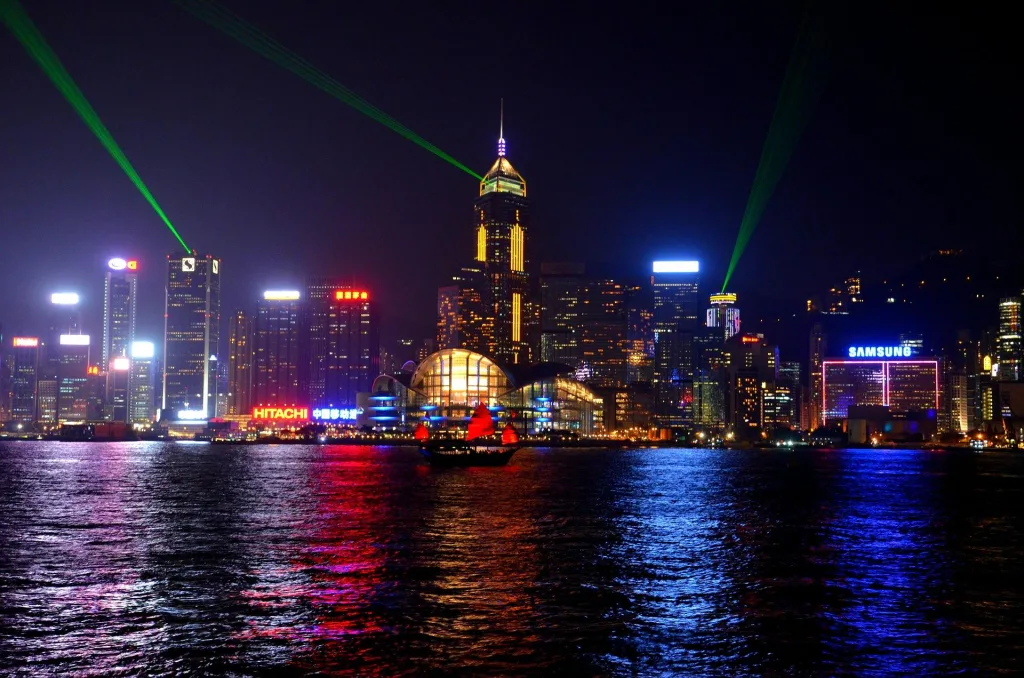
Steel is the backbone of Hong Kong’s infrastructure and urban landscape. As the city continues to grow and modernize, the demand for steel remains strong. But what are the key factors driving this demand? In this article, we’ll explore the major influences shaping the steel market in Hong Kong, from rapid urban development to government policies, providing a comprehensive look at the forces behind one of the city’s most vital industries.
1. Urbanization and Population Growth: A Major Driver of Steel Demand
Hong Kong is one of the most densely populated cities in the world, with over 7.5 million residents living in a highly compact area. This ongoing urbanization has led to a continuous demand for high-rise buildings, residential complexes, and commercial spaces, all of which require vast quantities of steel.
Impact of Population Growth on Steel Demand:
- High-Rise Construction: As land scarcity increases, Hong Kong’s urban planners are looking upwards, constructing taller buildings to accommodate residential and commercial needs. Skyscrapers and high-rises require immense amounts of steel for structural integrity.
- Infrastructure Expansion: The city’s transportation network, including its famous MTR system, constantly expands to accommodate the growing population. Steel is essential in building bridges, tunnels, and train stations, further driving demand.
- Redevelopment Projects: The aging buildings in many parts of the city are being torn down and replaced with modern structures. These redevelopment projects contribute significantly to steel consumption.
2. Government Infrastructure Projects and Public Housing Initiatives
The Hong Kong government’s infrastructure policies play a key role in influencing steel demand. Large-scale infrastructure projects and public housing initiatives have been consistent drivers of steel consumption.
Government Initiatives Affecting Steel Demand:
- Public Housing Projects: Hong Kong’s government prioritizes the development of public housing to meet the growing needs of its residents. Public housing developments require steel for everything from foundations to reinforcement bars, boosting overall demand.
- Transportation Infrastructure: Major projects like the Hong Kong-Zhuhai-Macao Bridge and the expansion of the Mass Transit Railway (MTR) system have dramatically increased the need for high-quality steel.
- Sustainable Infrastructure: The government’s push for eco-friendly and sustainable infrastructure has also led to increased steel usage, particularly in the construction of energy-efficient buildings and infrastructure aimed at reducing carbon emissions.
3. Economic Growth and Investment Trends
Hong Kong’s status as a global financial hub and its strong economy play a crucial role in shaping steel demand. Economic growth often correlates with increased investments in construction and infrastructure, leading to higher steel consumption.
Key Economic Factors Driving Steel Demand:
- Foreign Investment in Real Estate: Hong Kong continues to attract foreign investment, particularly in real estate and commercial projects. As international companies invest in building office towers, hotels, and luxury residences, the demand for steel rises.
- Industrial Expansion: In addition to real estate, industrial expansion, such as the growth of logistics hubs and warehousing facilities, also requires significant amounts of steel for construction and development.
- Trade and Export Markets: As Hong Kong continues to serve as a trading hub for Asia, the demand for steel products is also influenced by external trade agreements, especially with mainland China, which drives both imports and exports of steel.
4. Sustainability and Green Building Initiatives
As the world shifts towards more sustainable building practices, green construction is becoming increasingly important in Hong Kong. Steel, being a highly recyclable material, plays a crucial role in supporting these sustainability efforts.
Steel’s Role in Sustainable Construction:
- Recyclability: Steel is 100% recyclable, making it a preferred material for environmentally conscious construction projects. As developers and government bodies place greater emphasis on reducing the carbon footprint of buildings, demand for recycled steel has risen.
- Energy-Efficient Buildings: Many of Hong Kong’s new constructions are being designed to meet international sustainability standards, such as LEED (Leadership in Energy and Environmental Design). Steel is integral to creating energy-efficient buildings, contributing to higher demand.
- Green Infrastructure: Sustainable infrastructure projects, such as smart city developments and renewable energy facilities, require steel for their construction. As Hong Kong aims to meet its climate targets, demand for eco-friendly steel is expected to grow.
5. Steel Prices and Global Market Trends
The global steel market is subject to fluctuations in steel prices, which are influenced by supply chains, raw material availability, and international trade policies. These fluctuations impact the demand for steel in Hong Kong, especially for projects sensitive to price changes.
Global Trends Affecting Steel Prices and Demand:
- Raw Material Costs: The price of iron ore, coal, and other materials used in steel production can directly impact steel prices. If raw materials become more expensive, steel manufacturers may raise prices, affecting demand for construction projects in Hong Kong.
- Tariffs and Trade Policies: International tariffs, particularly those imposed by major steel-exporting countries like China, can impact steel availability and pricing in Hong Kong. Fluctuations in tariffs can affect how much steel is imported and how much is produced locally.
- Global Steel Supply: Disruptions in the global steel supply chain, such as the closure of major steel mills or geopolitical tensions, can influence steel availability in Hong Kong, either driving up demand for local steel or causing delays in project completions.
6. Technological Advancements and Innovation in Steel Production
Technological advancements in steel manufacturing have also impacted steel demand. As local manufacturers adopt more efficient production methods, the quality and variety of steel products available in Hong Kong have increased, driving demand for more specialized steel types.
Key Technological Innovations Influencing Steel Demand:
- High-Strength Steel: Innovations in metallurgy have resulted in the development of high-strength, lightweight steel, which is now widely used in skyscrapers and infrastructure. These advanced steels provide better performance and are in high demand for modern construction.
- Automation in Steel Production: Automation in steel plants improves production efficiency, leading to faster supply and potentially reducing costs. The availability of high-quality steel at competitive prices encourages more projects to use steel, driving demand.
- Prefabrication and Modular Construction: The use of prefabricated steel components in construction has gained popularity in Hong Kong due to its ability to reduce construction time and costs. This trend has contributed to steady demand for steel products tailored to prefabrication methods.
7. Environmental and Climate Considerations
Hong Kong is located in a region prone to typhoons, high humidity, and occasional seismic activity. These environmental factors necessitate the use of strong, durable steel to ensure that buildings and infrastructure are resilient in the face of such challenges.
Steel in Climate-Resilient Construction:
- Typhoon-Resistant Buildings: Steel is the preferred material for typhoon-resistant structures due to its flexibility and strength. As Hong Kong faces annual typhoon seasons, demand for steel designed to withstand high winds and pressure remains high.
- Corrosion-Resistant Steel: Hong Kong’s humid climate and proximity to the sea make corrosion resistance a priority in construction. Steel with anti-corrosive properties is in high demand for long-term durability in buildings and infrastructure.
Conclusion: Understanding the Dynamics of Steel Demand in Hong Kong
The demand for steel in Hong Kong is driven by a combination of urban growth, government policies, economic expansion, and the push for sustainable development. With major infrastructure projects, rapid urbanization, and advancements in steel technology, the demand for this essential material shows no signs of slowing down. As the city continues to evolve, understanding these key factors will be crucial for stakeholders in the steel and construction industries.


