


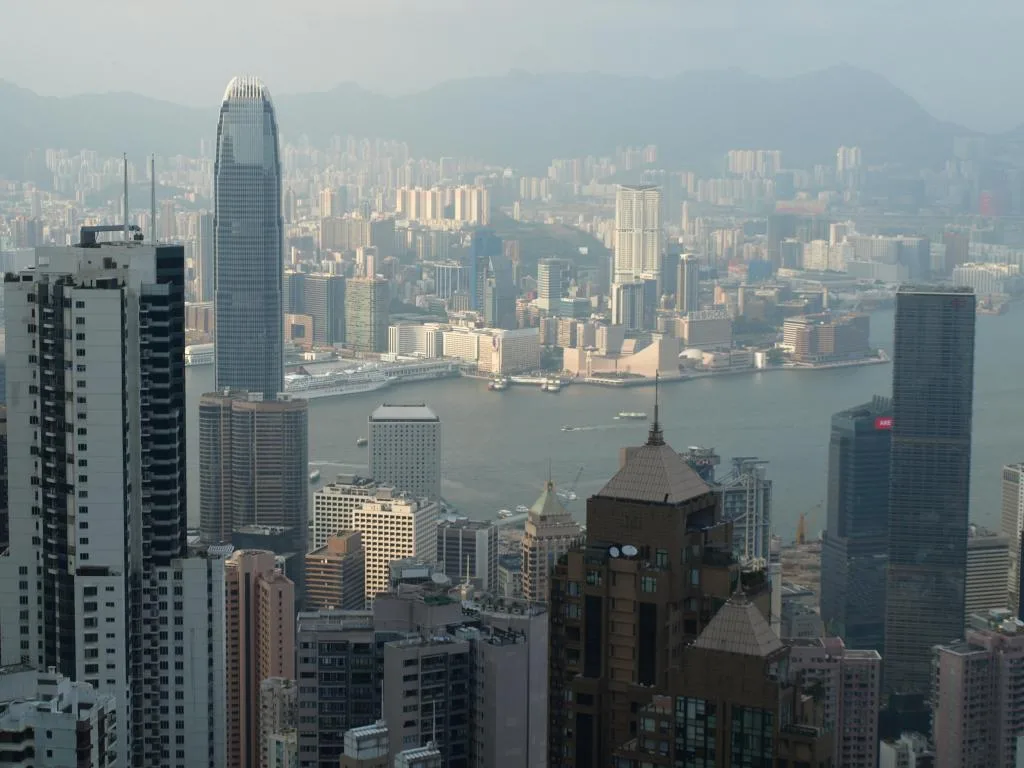
Hong Kong’s position as a global trading hub is well-established, and the steel industry plays a significant role in the city’s trade landscape. With its strategic location, world-class infrastructure, and proximity to mainland China, Hong Kong serves as a critical point for steel trading in Asia. The city’s steel trading hubs facilitate the movement of steel products to support local construction, manufacturing, and exports. In this article, we explore the key trading hubs in Hong Kong, their significance, and how they shape the steel industry in the region.
1. Kwun Tong Industrial District: A Steel Trading Powerhouse
Kwun Tong is one of Hong Kong’s most prominent industrial districts, located on the eastern side of Kowloon. Known for its rich industrial history, Kwun Tong remains a central hub for steel trading and distribution in Hong Kong. The area is home to many steel importers, exporters, and distributors who specialize in a wide variety of steel products, including rebar, steel plates, and structural steel.
The district’s excellent transportation links, including close proximity to the Kwun Tong Line and major highways, make it a highly convenient location for logistics. Many of Hong Kong’s steel traders base their operations here, benefiting from efficient access to the local market and easy export routes to the Greater Bay Area and beyond.
2. Tuen Mun: A Growing Hub for Steel and Heavy Industry
Located in the western New Territories, Tuen Mun is increasingly recognized as a vital hub for heavy industries, including steel. The area offers vast industrial land, attracting steel manufacturers, recyclers, and traders who benefit from its spacious facilities and lower real estate costs compared to Kowloon and Hong Kong Island.
Tuen Mun also serves as a key transit point for steel products entering from mainland China and other countries, allowing for smooth logistics and storage. The nearby River Trade Terminal, Hong Kong’s largest river cargo facility, provides easy access to waterborne transport routes, making Tuen Mun an attractive location for large-scale steel trading operations.
3. Tsuen Wan: A Strategic Center for Logistics
Tsuen Wan, located in the New Territories, has grown into a strategic logistics and industrial hub, playing a significant role in steel trading. The area’s well-established infrastructure, which includes a large network of roads and proximity to container terminals, makes it a key center for the distribution of steel products.
Steel traders in Tsuen Wan benefit from its accessibility to the Kwai Tsing Container Terminals, one of the busiest ports in the world. This allows for fast imports and exports of steel, especially for traders focusing on international markets. With warehouses, storage facilities, and a robust logistics network, Tsuen Wan continues to be a critical hub for Hong Kong’s steel trade.
4. Shau Kei Wan: The Historic Trading Port
Shau Kei Wan, located on the eastern end of Hong Kong Island, has a long history as a port for industrial goods, including steel. While the area has evolved over time with modern developments, it remains an important location for smaller steel trading companies that cater to niche markets. Its proximity to the Hong Kong harbor allows traders to connect easily with shipping routes and handle the import and export of specialized steel products.
Despite being a smaller hub compared to Kwun Tong and Tsuen Wan, Shau Kei Wan still plays a role in steel trading, particularly for local businesses that focus on construction materials for Hong Kong Island developments.
5. Yuen Long: The New Frontier for Steel Trade
Yuen Long, situated in the northwest New Territories, is an emerging industrial hub gaining importance for steel traders. With a large amount of land available for industrial use and a growing number of warehouses, Yuen Long is attracting more steel traders who need space for storing and processing large quantities of steel.
The area is also strategically positioned near the border with mainland China, allowing for seamless cross-border trade. As steel imports from China continue to play a key role in Hong Kong’s construction and infrastructure projects, Yuen Long’s importance in the steel trading ecosystem is expected to grow in the coming years.
6. Chek Lap Kok: A Global Logistics Gateway
Home to the Hong Kong International Airport and an extensive cargo terminal, Chek Lap Kok is a crucial logistics hub for many industries, including steel. While not traditionally known for steel trading, the presence of advanced logistics infrastructure and air cargo facilities makes it an important part of the supply chain for high-value steel products and materials that need fast international shipping.
Steel traders involved in exporting specialized products, such as high-grade stainless steel or custom-made steel components, often rely on Chek Lap Kok’s logistics capabilities to reach international markets swiftly. The hub’s connectivity to both air and sea routes strengthens its role in facilitating global trade.
Conclusion:
Hong Kong’s steel trading industry is supported by a network of strategic hubs, each offering unique advantages for steel traders, distributors, and manufacturers. From the industrial powerhouse of Kwun Tong to the emerging markets in Yuen Long and the logistics hub of Chek Lap Kok, these trading centers provide the infrastructure, connectivity, and market access essential for thriving in a competitive global industry.
For businesses involved in steel, understanding the strengths of these key trading hubs can help them optimize their supply chains, reduce costs, and stay competitive in Hong Kong’s dynamic market.


