


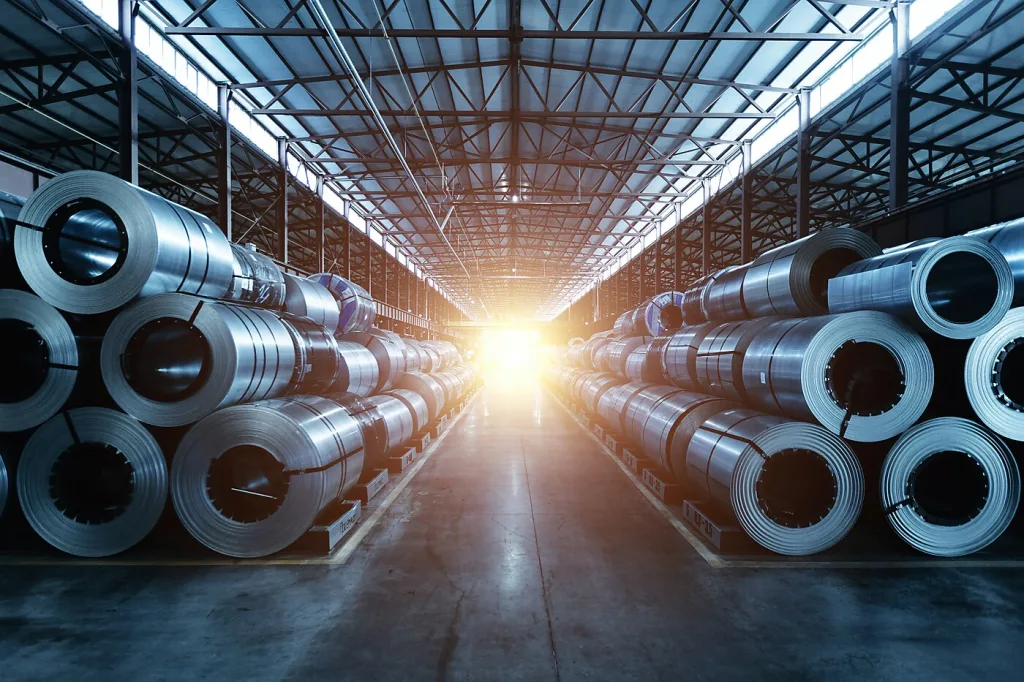
China is a powerhouse in the global iron market, supplying and consuming vast quantities of iron for various industries. As the world’s largest iron producer, China’s policies, economic shifts, and technological advancements directly impact global markets. This article presents a comprehensive forecast for China’s iron market over the next 10 years, detailing potential trends, growth factors, and challenges expected to shape the industry’s future.
Key Factors Driving China’s Iron Market
Several factors will drive the demand and supply in China’s iron market over the next decade. Among these are:
- Industrial Growth and Urbanization: China’s ongoing urbanization and infrastructure development will continue to create significant demand for iron in construction, automotive, and heavy industries. Major projects, such as the Belt and Road Initiative, also contribute to sustained demand.
- Green Transition and Technological Advancements: As China focuses on reducing carbon emissions, the iron and steel industries will undergo transformative changes. Technologies like carbon capture, utilization, and storage (CCUS) and advancements in electric arc furnaces are expected to play a crucial role in producing “greener” iron.
- Domestic and Global Demand Trends: China’s position in global trade and the anticipated rise of domestic demand in sectors like renewable energy and electric vehicles will drive iron market dynamics. Additionally, fluctuations in the global economy will impact China’s iron exports.
10-Year Forecast for China’s Iron Market
1. Stable Growth in Domestic Demand
China’s demand for iron is expected to remain strong, driven by rapid urbanization and infrastructure projects. Over the next decade, sectors such as electric vehicle manufacturing, green energy, and high-speed rail will continue to require significant iron supplies. While growth may slow compared to the previous decade, domestic demand will likely remain steady.
2. Shift Towards Sustainable Production
China is committed to reducing its carbon emissions, and the iron industry is among the primary sectors targeted for green transformation. Over the next decade, more production facilities will adopt sustainable practices, such as using hydrogen-based smelting methods and renewable energy sources. This shift could drive up costs in the short term but is expected to provide long-term stability.
3. Increase in Iron Recycling Initiatives
With the focus on sustainability, China is likely to increase its iron recycling efforts. Recycling scrap iron and steel not only reduces carbon emissions but also helps in maintaining stable iron prices. Over the next 10 years, China’s recycling industry is anticipated to expand, reducing reliance on raw iron production and making the market more efficient.
4. Expansion of Export Markets
China’s iron and steel exports have a strong global presence, especially in developing nations requiring materials for infrastructure projects. Over the coming decade, China is expected to expand its export markets in Southeast Asia, Africa, and Latin America. This strategic diversification may offset slower growth in domestic demand, helping maintain the industry’s profitability.
5. Technological Innovations
China is investing heavily in technology within its iron sector, focusing on automation, AI, and data analytics to optimize production and reduce waste. By increasing efficiency and minimizing environmental impact, these innovations will make Chinese iron suppliers more competitive on a global scale. Enhanced production capabilities will enable China to produce high-quality iron products at competitive prices.
6. Challenges and Risks
While the outlook for China’s iron market is largely positive, potential challenges exist. Rising production costs, regulatory changes, and fluctuating demand from international markets are some of the risks that could affect growth. Additionally, any shift in government policy regarding environmental regulations or trade restrictions could impact the industry significantly.
Conclusion
China’s iron market is set to experience transformative changes over the next decade, with a stable growth forecast driven by both domestic and international demand. The shift towards sustainability, increased recycling efforts, technological advancements, and expansion into new markets will define the industry’s trajectory. By understanding these trends and adapting to them, businesses and investors can capitalize on opportunities in China’s evolving iron market.
China’s iron industry is poised for a dynamic decade, balancing growth, innovation, and environmental responsibility.


